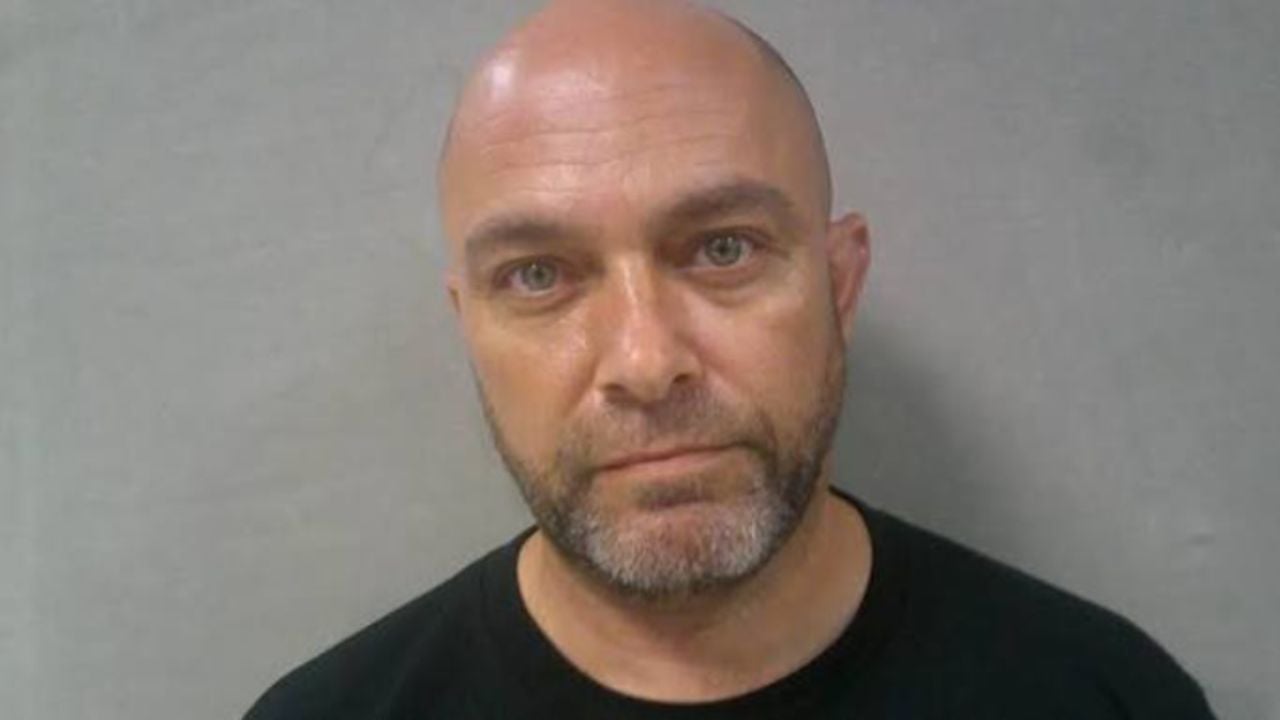
A Lewis County, West Virginia, man allegedly opened and operated a bank account using another person’s identity.
Investigators say Michael Lynn Shakespeare used the account on 81 separate occasions between September 2025 and June 2026, causing the victim to lose $34,881.67.
The investigation also uncovered another alleged method of accessing the victim’s money. Authorities say Shakespeare obtained the person’s checkbook and wrote 20 unauthorized checks payable to himself, according to WV News.
Deputies arrested Shakespeare on August 4. He faces 102 criminal counts and was taken to the Central Regional Jail with no bond set at the time of the announcement.
The Account Allegedly Operated for Nine Months
The Lewis County Sheriff’s Office began investigating the suspected fraud in September 2025. Authorities say Shakespeare had opened a bank account using another person’s identifying information and continued operating it through June 2026.
Investigators documented 81 separate occasions on which he allegedly accessed or used the account. The Sheriff’s Office attributed a loss of $34,881.67 to the activity. During the investigation, deputies determined that Shakespeare had also gained access to the victim’s checkbook.
He allegedly wrote 20 checks without authorization and made each one payable to himself. No recovery or reimbursement of the victim’s money had been announced.
The Investigation Produced 102 Criminal Counts
Shakespeare faces 81 counts of fraudulent use of an access device, corresponding with the 81 alleged account uses documented by investigators. He was also charged with 20 counts of forgery and one count of grand larceny. Together, the charges total 102 criminal counts.
WDTV reported that deputies executed felony warrants before transporting Shakespeare to the Central Regional Jail. No plea, conviction or final court resolution had been reported following his arrest. The charges are allegations, and Shakespeare is presumed innocent unless proven guilty.
Monitor More Than a Traditional Credit Report
Someone whose identity has been used to open a bank account should contact the financial institution immediately, ask for the fraudulent account to be closed and dispute any transactions or records connected to it. A stolen checkbook should also be reported promptly so the bank can stop payment on unused check numbers and determine whether the existing account should be closed or replaced.
Consumers should review bank statements for unfamiliar withdrawals, checks or account changes. They can report identity theft through IdentityTheft.gov to receive a recovery plan and documentation that can help when disputing fraudulent accounts.
A standard credit report may not contain complete checking-account history. The Consumer Financial Protection Bureau explains that consumers can also request reports from specialty checking-account reporting companies and dispute accounts or fraud indicators they do not recognize.