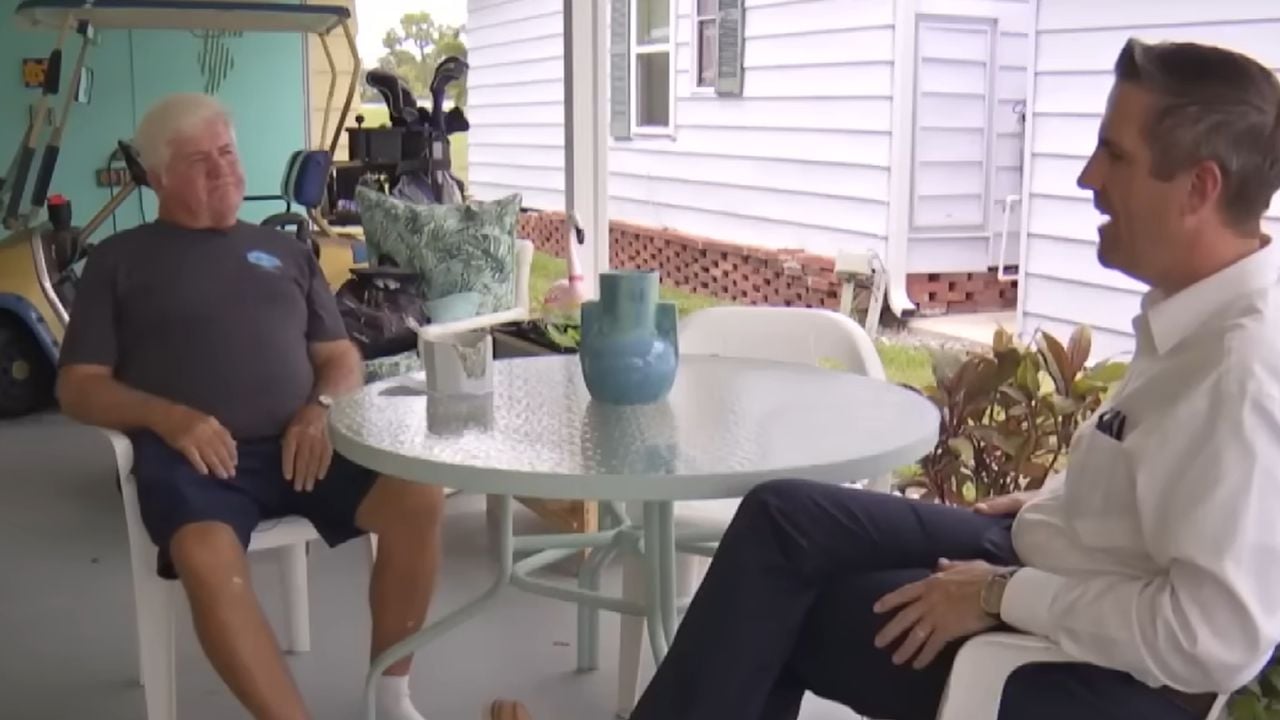
A North Fort Myers man says scammers nearly got him with a fake Microsoft warning that took over his computer screen and accused him of being tied to illegal activity.
Steve Seifert told WINK News he was online when pop-ups suddenly appeared on his computer and kept repeating a warning that looked urgent.
“Microsoft has observed an illegal function on your computer. Call Microsoft Help to get it taken care of,” Seifert recalled. The message included a phone number, and Seifert called it because he believed he was contacting Microsoft.
The person on the phone then escalated the scare tactic. Seifert said the caller claimed his credit cards had been used to try to buy child sexual abuse material and place bets. “He has me hooked,” Seifert told WINK. “I don’t want anything to do with child porn. So, I’m listening heavy.”
The Bank Questions Made Him Hang Up
Seifert did not lose money, but he said the scammers came close. The call changed when they started asking for his bank account information, and that is when he realized the warning was not real. “I hung up,” he told WINK. “So, I called WINK.”
WINK Investigates called the same number the scammers left for Seifert. The person who answered claimed to be from Microsoft, changed his name multiple times during the call, and then hung up after a few minutes, the station reported.
Seifert said one of his neighbors was not as lucky and lost more than $2,000 to the same type of fraud. He said he wanted the story public so other older people in Southwest Florida would recognize the tactic before sending money or account information.
The Scam Used Fear Before It Asked For Money
The fake warning did not start with a normal sales pitch or a simple “your computer has a virus” message. It used fear and embarrassment, accusing the user of being connected to illegal activity and then presenting the phone number as a way to fix the problem.
Retired FBI agent Rich Kolko told WINK that those accusations are exactly why the tactic can work. “That kind of thing puts fear in people, and they may click on that link and try and resolve it,” Kolko said. “And in this case, it was a scam.”
The FBI’s broader warning fits what happened to Seifert. The agency recently warned that cybercriminals are using fake and malicious websites, redirects, ads, poisoned search results, and traffic distribution systems to move people toward fraudulent pages, fake login screens, malware downloads, and financial scams.
Florida Lost $1.5 Billion To Online Scammers Last Year
WINK reported that Florida residents lost $1.5 billion to online scammers last year, according to the FBI. The state had the third-highest losses in the country, behind only Texas and California.
The FBI also reported that about 3,000 people per day fell victim to cybercrime and identity theft across the U.S. last year. Phishing, extortion, and investment schemes were among the most common complaints.
Kolko said people should not let embarrassment stop them from reporting. “A lot of people are scammed, and they’re embarrassed to report it, but the fact of the matter is, everybody is susceptible to this, and there’s no reason to be embarrassed,” he told WINK.
Microsoft Does Not Need Your Bank Account To Fix A Pop-Up
The warning from Seifert’s case is direct: a pop-up that claims Microsoft, a bank, law enforcement, or another authority found illegal activity on a computer is not proof that anything real happened. If the message tells the user to call a number on the screen, the safer move is to stop, close the browser if possible, disconnect from the internet, and contact the real company through an official website or known phone number.
Cyber experts told WINK that people should keep security updates current and avoid clicking links they do not recognize. If someone calls claiming to be from a bank or software company, do not rely on the number they provide. Look up the official number independently and call back yourself.
Seifert said he knew better and still nearly got pulled in. That is what makes the scam dangerous: the first screen looked like a computer emergency, the caller used a frightening accusation, and the request for bank information came only after the fear had already done its work.