Families in Alabama paid for headstones and memorial items while trying to honor relatives and loved ones they had lost.
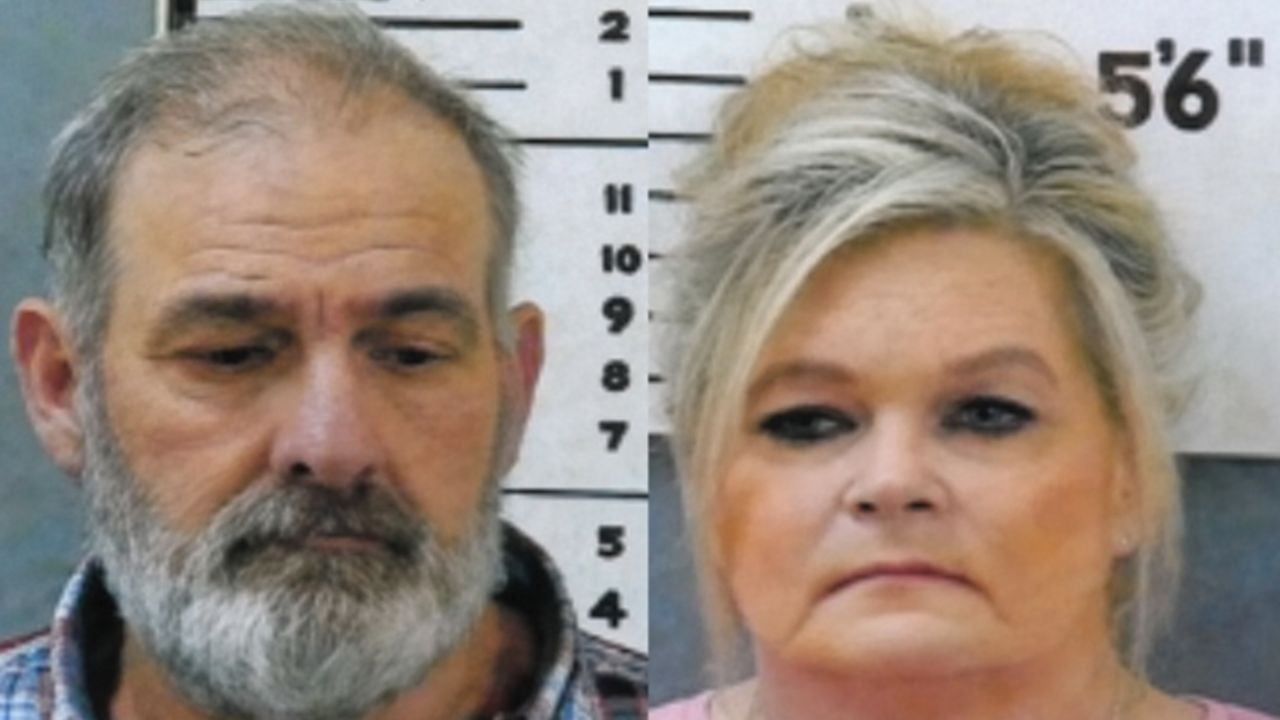
Anthony Kirven Williams and Teresa Cobb Williams, who operated Williams Granite Memorial in Thomasville, have pleaded guilty to theft charges tied to those payments, according to Alabama Attorney General Steve Marshall’s office.
The Attorney General’s Office said the couple took money from people seeking headstones or memorial items for deceased family members or loved ones.
Restitution totals more than $50,000, and each victim will be paid in full for the missing memorial items they paid for.
The Business Sold Headstones and Memorial Items
Williams Granite Memorial took payments from customers seeking permanent memorials for family members or loved ones, according to the Attorney General’s Office. For those families, the orders were tied to funerals, cemetery arrangements, and efforts to mark a grave or memorial site after a death.
Marshall said families trusted the business and wanted to memorialize loved ones with dignity. He said they were deceived while mourning and that their grief was treated as an opportunity.
The Pleas Covered Felony and Misdemeanor Theft Counts
Teresa Williams pleaded guilty to five felony counts of theft and two misdemeanor counts of theft. Anthony Williams pleaded guilty to nine misdemeanor counts of theft.
FOX10 reported that the couple ran a headstone and memorial business and must pay more than $50,000 in restitution. Each victim will be reimbursed in full for memorial items that were paid for but never received, according to the Attorney General’s Office.
The Case Grew After the First Indictments
Anthony and Teresa Williams were arrested and booked into the Clarke County Jail last August after being indicted on multiple theft counts in Clarke County. They were later indicted in a second case involving additional victims.
The investigation was led by the Thomasville Police Department and the Attorney General’s Consumer Interest Division. The Consumer Interest Division presented evidence to the Clarke County grand jury, which led to the indictments, according to Marshall’s office.
Memorial Purchases Need Clear Paper Trails
Headstones and memorial items often involve deposits, cemetery approval, custom design work, delivery schedules, and installation timing. Families should leave the transaction with a written order that lists the item, material, inscription, total price, amount paid, expected completion window, refund terms, and who is responsible for cemetery coordination.
Receipts, written messages, design proofs, payment records, and promised installation dates can become important if a business stops responding, changes the timeline, or fails to deliver. Families can also ask the cemetery whether the seller has contacted it, whether the marker design has been approved, and whether any installation date has been scheduled.
Large Upfront Payments Should Come With Written Terms
Families buying memorial products should avoid handing over cash without a detailed receipt. A payment method that creates a record can make it easier to prove when money was paid, who received it, and what the payment was supposed to cover.
The Federal Trade Commission advises consumers shopping for funeral services to ask for price lists, compare options, and resist pressure to buy goods or services they do not want or need. Even when a separate monument seller is involved, the same habit helps: get prices, terms, and promises in writing before paying.
Missed Dates Should Lead to Written Follow-Up
Custom memorial work can take time, but families should not be left with vague explanations and no timeline. If a business misses a promised date, customers can ask for a written update, a new completion date, and a refund option if the work is not moving forward.
In Alabama, consumers can contact the Attorney General’s Consumer Interest Division or file a consumer complaint when a business takes payment and fails to provide promised goods or services. The division’s involvement in the Williams Granite Memorial case shows how memorial and funeral-related purchases can become consumer-protection matters when paid-for items never arrive.
The Restitution Order Will Repay the Victims
The guilty pleas require restitution for the missing headstones and memorial items, according to the Attorney General’s Office.
Families who pay for memorial goods should save the written order, receipt, payment record, design proof, cemetery correspondence, promised completion date, installation details, refund terms, and every message with the seller until the marker is delivered and installed.