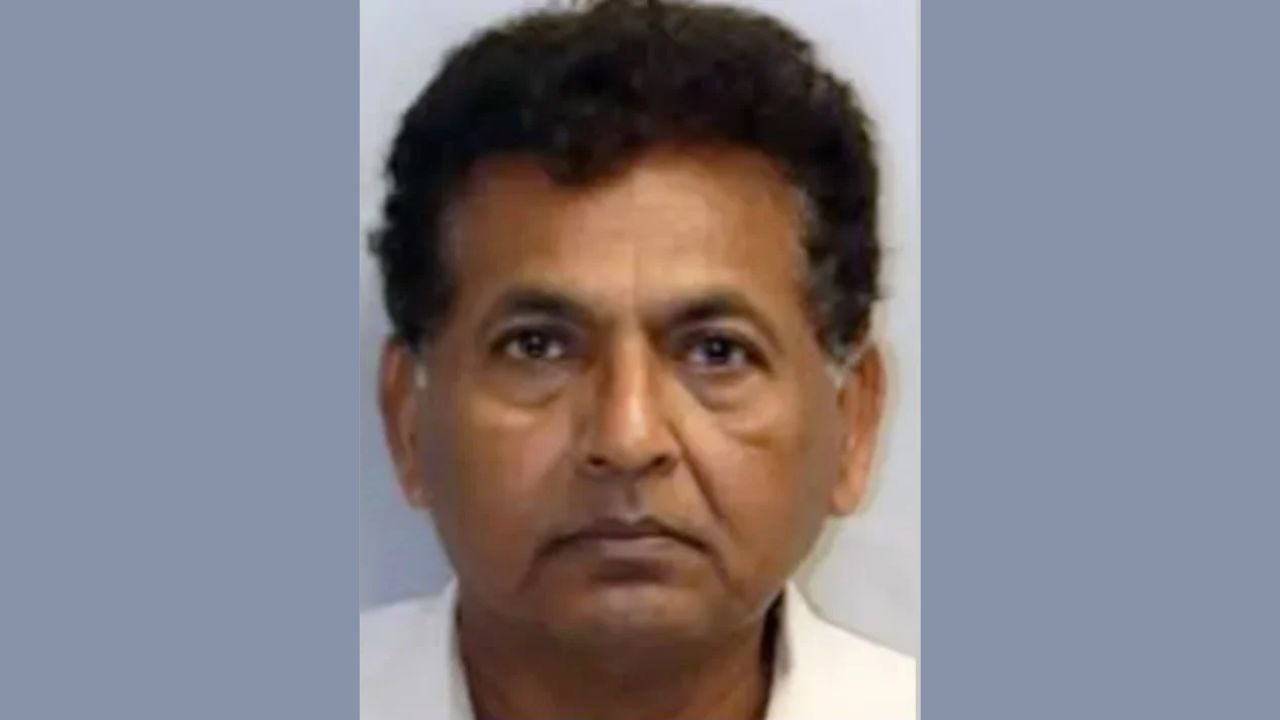
The majority owner of a Rock Island nursing home has been indicted in a federal Medicare fraud case involving more than $64 million in alleged false claims for medical equipment.
Rajiv Shah, 65, of Palm Beach Gardens, Florida, is listed as the 91% direct owner of St. Anthony’s Nursing & Rehab Center in Rock Island, according to ProPublica’s nursing-home ownership records.
The federal case does not accuse the Rock Island nursing home of submitting the claims. Prosecutors said the alleged scheme centered on Shah’s Florida medical billing company and durable medical equipment suppliers that billed Medicare for braces and related items.
Shah was charged with conspiracy to commit health care fraud and wire fraud, along with health care fraud. The charges are accusations and have not been proven in court.
Shah Was Charged in a Federal Health Care Fraud Case
The U.S. Attorney’s Office for the Southern District of Florida announced Shah’s indictment as part of the Justice Department’s 2026 National Health Care Fraud Takedown.
Prosecutors described the case as an alleged scheme to submit fraudulent Medicare claims for medically unnecessary durable medical equipment, known as DME. Medicare paid more than $23 million on the claims, according to the Justice Department.
KWQC reported that Shah is the majority owner of St. Anthony’s Nursing and Rehabilitation Center in Rock Island. ProPublica’s Nursing Home Inspect database lists Shah as a 91% direct owner of the facility since April 2022.
The Case Centers on ACC-Q Data
The indictment identifies Shah as the owner and operator of ACC-Q Data Florida LLC, a Palm Beach County medical billing company.
Prosecutors said ACC-Q provided billing services to DME companies enrolled in Medicare. Shah also owned and operated AVA Medical Supply LLC, according to the indictment.
AVA shipped durable medical equipment to beneficiaries to fill orders for DME companies and others, prosecutors said.
Prosecutors Say the Claims Involved Braces
The indictment says the DME companies involved in the alleged scheme purported to provide braces to Medicare beneficiaries.
Those items included wrist braces, elbow braces, knee braces, and related equipment that Medicare would reimburse only if the items were medically necessary and properly prescribed.
Prosecutors allege Shah conspired with DME company owners and others to submit claims for equipment that was medically unnecessary and ineligible for reimbursement.
The indictment says the companies submitted more than $64 million in false and fraudulent Medicare claims. Medicare paid more than $23 million on those claims, according to prosecutors.
The Alleged Scheme Used Referrals and Doctor Orders
Federal prosecutors said the scheme relied on beneficiary referrals and doctors’ orders obtained through fraudulent means.
The indictment alleges that some referrals were tied to kickbacks and bribes. Other orders were allegedly obtained through deceptive telemarketing or a tactic prosecutors called “doc chase.”
In that alleged method, misleading order forms were faxed to a beneficiary’s primary care physician to get a signature.
Prosecutors also said some beneficiaries were connected with telemedicine doctors who were not their treating physicians and did not perform an examination before ordering equipment.
Shah Allegedly Advised Companies on Avoiding Scrutiny
The indictment alleges Shah did more than process claims.
Prosecutors said he advised DME owners on how to structure and operate their companies to maximize profit while avoiding detection by Medicare and law enforcement.
That advice allegedly included limiting billing volume through each company, spreading billing across multiple DME companies, changing billing codes, shifting away from states with high denial rates, and changing how doctors’ orders were obtained.
The indictment alleges Shah collected about $1.127 million from the companies as a percentage of Medicare reimbursements between around June 2019 and December 2025.
Medicare Beneficiaries Should Check for Braces They Never Ordered
The warning for Medicare beneficiaries is not limited to this case. HHS-OIG has warned about brace scams in which Medicare beneficiaries are offered orthotic braces that are supposedly free and covered by Medicare.
Beneficiaries and caregivers should review Medicare Summary Notices, explanation-of-benefits statements, and online Medicare accounts for unfamiliar DME suppliers, repeated brace claims, orders from doctors they did not see, or equipment tied to a telehealth visit that did not include a real examination.
Doctors and clinics should also watch for order forms asking them to sign DME prescriptions for patients they did not evaluate for that equipment.
What To Do if a Medicare Claim Looks Wrong
If a brace, equipment order, supplier name, or doctor order looks unfamiliar, beneficiaries should call the doctor listed on the claim and ask whether the item was actually ordered. They should also save Medicare notices, supplier names, dates of service, phone numbers, delivery records, packaging, and any telemarketing messages connected to the equipment.
Medicare says suspected fraud can be reported to 1-800-MEDICARE, or 1-800-633-4227. Reports can also be filed with the U.S. Department of Health and Human Services Office of Inspector General at oig.hhs.gov/fraud/report-fraud.
Beneficiaries can also contact the Senior Medicare Patrol program in their state for help reviewing suspicious claims, medical equipment bills, or Medicare Summary Notices.