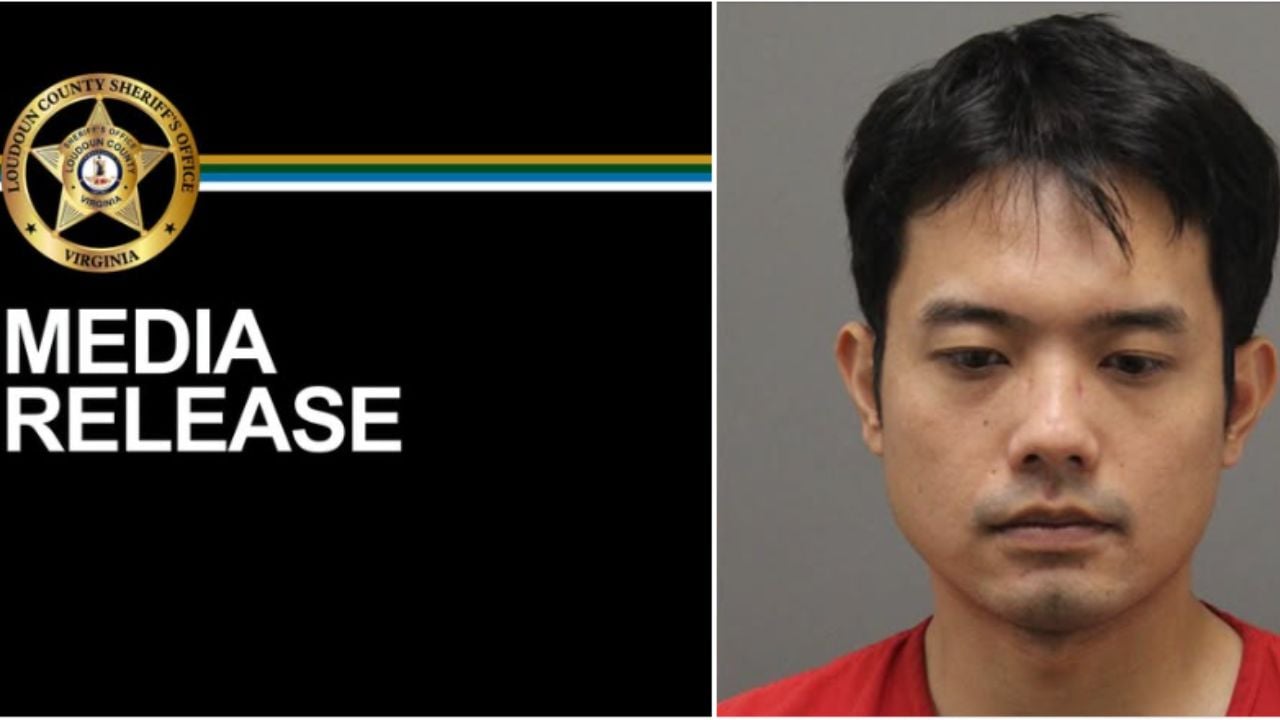
A Gaithersburg, Maryland, man is accused in a gold-bar scam that targeted elderly victims in Northern Virginia, according to the Loudoun County Sheriff’s Office.
Junjie Wu, 29, was arrested in connection with a scheme that used gold bars to defraud elderly victims, according to the sheriff’s office.
Wu is charged in Loudoun County with obtaining money by false pretenses, conspiracy to commit a felony, and wearing a mask in public. He is being held without bond at the Loudoun County Adult Detention Center.
Patch reported that Wu also faces similar charges in Prince William County, including obtaining money by false pretenses, conducting unlawful financial transactions, and exploiting mental incapacity. The charges are allegations, and Wu is presumed innocent unless proven guilty.
The Scam Started With A Fake Apple Support Alert
Deputies said victims received messages on their computers claiming their devices had been compromised. The alerts told them to call a number presented as “Apple Support.”
When victims called, they were connected to people pretending to be fraud investigators, according to the sheriff’s office.
Those callers allegedly told victims their investment accounts were at risk and that the money needed to be transferred into a new account with the Federal Reserve System.
To complete the supposed transfer, authorities said victims were instructed to convert their funds into gold bars.
The Federal Reserve Claim Was Part Of The Pitch
The sheriff’s office said no government agency will ever tell someone to buy gold, cryptocurrency, or gift cards to protect money.
Officials also said the Federal Reserve does not hold personal accounts and no real agency tells people to move funds into a “safe” account.
Patch reported that Wu has a hearing scheduled in Prince William County on July 6 and another in Loudoun County on July 28.
Residents Were Told Not To Call Pop-Up Numbers
The Loudoun County Sheriff’s Office warned residents not to call numbers shown in pop-up computer warnings, click links, or allow remote access to their devices.
Officials also warned that scammers create urgency and tell victims to keep quiet. Residents were told to hang up and call the agency back using a number from its official website.
Anyone who receives a message like this should close the alert, avoid the listed phone number, and contact the company or agency directly using an official website or trusted phone number.
The sheriff’s office also urged people to speak with someone they trust before sending money or making a large unusual purchase.
Gold Bars Are Showing Up In More Impersonation Scams
Gold-bar scams often start with a fake alert, fake fraud investigator, fake bank employee, or fake government agent. The caller tells the victim that money is at risk, then gives instructions to buy gold, withdraw cash, use cryptocurrency, or hand valuables to a courier.
The Federal Trade Commission warns that tech-support scammers may use pop-up warnings, fake security alerts, and phone numbers that appear to connect victims with well-known companies. The FTC says real security warnings will not ask people to call a phone number.
The Federal Reserve says it does not maintain accounts for individuals and that individuals cannot use Federal Reserve accounts to pay bills or get money.
Anyone told to move savings into a Federal Reserve account, buy gold bars, buy cryptocurrency, purchase gift cards, or hand valuables to a stranger should stop the transaction and contact local law enforcement.
Families Should Watch For Large Unusual Purchases
Older adults and their families should treat sudden gold purchases, large bank withdrawals, courier pickups, or secrecy around a supposed fraud investigation as urgent warning signs.
Before money is moved, a trusted relative, bank employee, attorney, local police officer, or financial adviser should be brought into the conversation using contact information the family already knows is real.
If money or gold has already been handed over, victims should save receipts, bank records, shipping details, phone numbers, text messages, emails, pop-up screenshots, and any courier descriptions.
Anyone with information about the Loudoun County case, or anyone who believes they were targeted by a similar scheme, can contact the Loudoun County Sheriff’s Office at 703-777-1021. Anonymous tips can be submitted to Loudoun County Crime Solvers at 703-777-1919 or through the LCSO app.