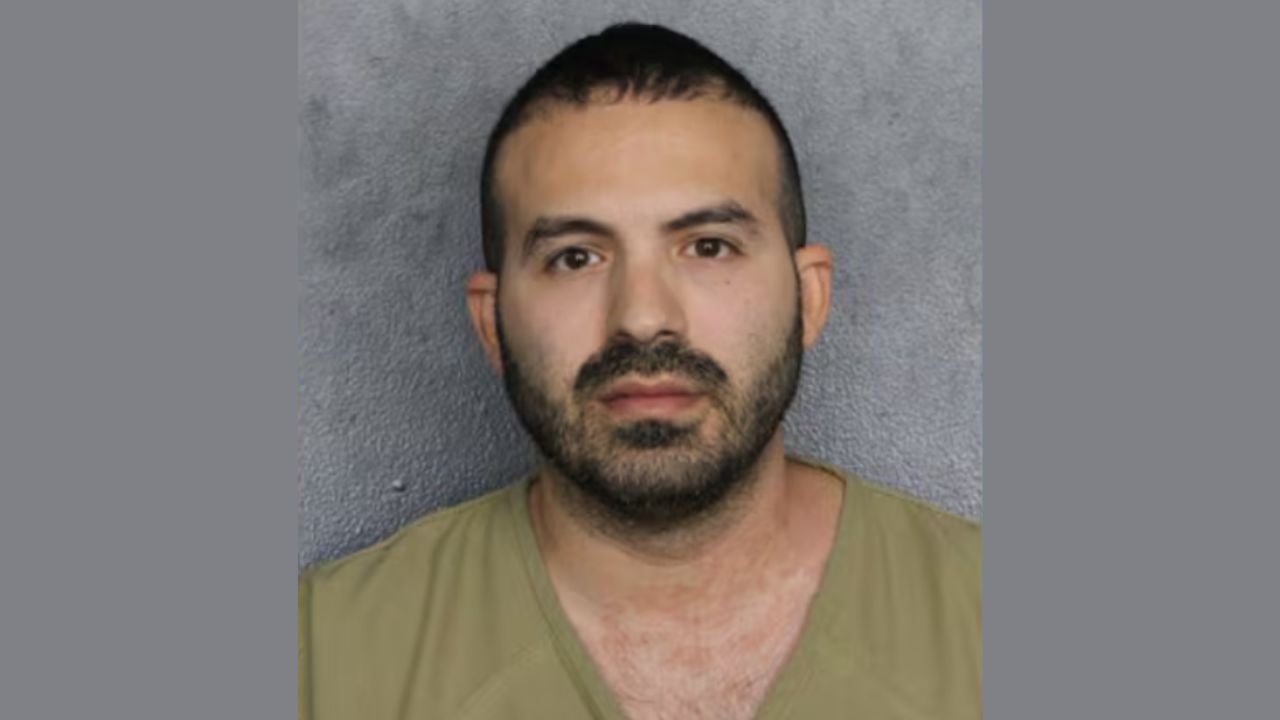
A Washington senior reported that more than $1 million had disappeared from his bank account. The investigation that followed eventually led police across the country to South Florida and to the arrest of a police detective.
Shmueal Mauda, 36, a detective with the Miami Shores Police Department, was arrested in Davie in connection with the investigation, according to Local 10.
Authorities also arrested Elisha Mauda, 39, of Pembroke Pines, Florida, and Brent Small, 58, of Airmont, New York. Police say the case has grown far beyond the original seven-figure loss.
Investigators have identified additional victims around the United States, while another Florida police department was already investigating the same suspects in cases involving what authorities described as a large number of additional victims.
Detectives Served More Than 50 Search Warrants
The investigation began earlier this year when an elderly resident of Sedro-Woolley, Washington, contacted police about money taken from his account. The Sedro-Woolley Police Department said the loss exceeded $1 million.
Investigators began following the electronic trail left by the missing money. Sedro-Woolley Police said detectives served more than 50 search warrants during the investigation.
Those records allowed investigators to trace stolen money as it moved electronically through multiple companies and multiple bank accounts. Police say detectives also determined who had accessed the victim’s bank account and who moved the money.
The Investigation Found More Victims Across the Country
Following the money produced another discovery. Police say investigators identified additional victims living in several other locations around the United States.
The Sedro-Woolley investigation eventually involved assistance from the FBI and the U.S. Postal Service. Through that cooperation, investigators discovered that the Davie Police Department in Florida had separate investigations involving the same suspects.
Sedro-Woolley Police said those parallel investigations involved a “large number of additional victims.” Authorities have not publicly announced how many additional people may be involved or the combined financial losses connected to those cases.
The Trail Led to Three Arrests in Florida
Investigators obtained nationwide arrest warrants through Skagit County Superior Court before the case led authorities to South Florida. Shmueal Mauda, also known as Sam Mauda, was taken into custody in Davie along with Elisha Mauda and Small.
Local 10 reported that Shmueal Mauda was working as a Miami Shores police detective when he was arrested. The department said it was cooperating with other law enforcement agencies and relieved him of duty without pay following the arrest.
Although Shmueal and Elisha Mauda share a surname and both live in Pembroke Pines, Local 10 reported that their precise relationship had not been publicly established.
The Three Men Face Washington Theft and Identity-Theft Accusations
Sedro-Woolley Police said nationwide warrants were issued for all three men. The department listed Shmueal Mauda on five counts of first-degree theft and one count of first-degree identity theft. Elisha Mauda was listed on the same accusations.
Police listed Small on six counts of first-degree theft and one count of first-degree identity theft. Initial Broward County reporting described Shmueal Mauda as being held on Washington identity-theft charges before Sedro-Woolley Police released more details about the underlying case.
The three men remained jailed in Broward County pending extradition to Washington as of the latest public reporting. Authorities had not announced whether the expanding investigation would produce additional state or federal charges.
What to Do if Money Disappears From Your Bank Account
An unexplained withdrawal or transfer should be reported to the bank or credit union as soon as it is discovered. The Consumer Financial Protection Bureau advises consumers to notify their financial institution immediately when they find money missing or see a transaction they did not authorize.
Federal protections can depend on how quickly an unauthorized electronic transfer is reported. The CFPB says that if an unauthorized withdrawal appears on a statement, consumers generally should notify the financial institution immediately and no later than 60 days after the statement containing the transaction was sent. Different and potentially shorter timelines can apply when a debit card, PIN or other access device has been lost or stolen.
If personal information appears to have been stolen as part of the fraud, IdentityTheft.gov provides steps for reporting identity theft and creating a recovery plan. The Federal Trade Commission also allows consumers to place free credit freezes and fraud alerts that can make it harder for someone using stolen information to open new credit accounts.