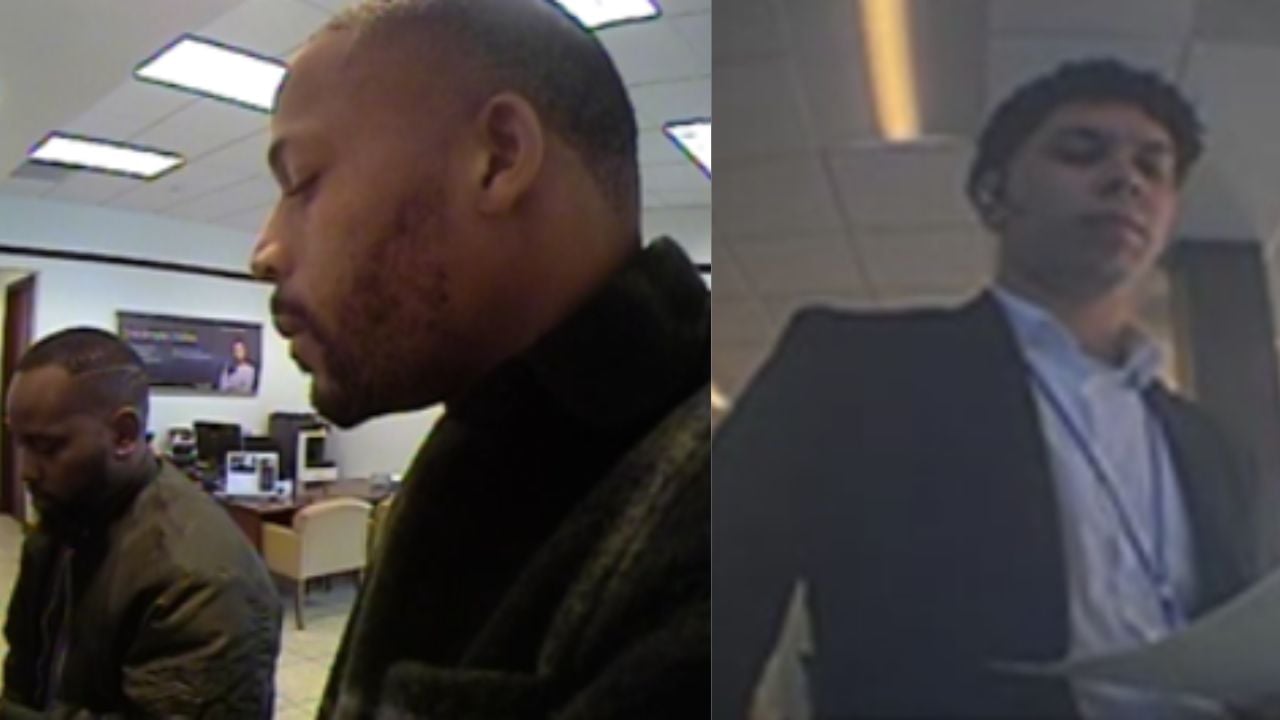
A spreadsheet containing personal and financial information for about 3,000 people sat at the center of an alleged nationwide bank fraud operation. The people listed held more than $373 million across their bank accounts, federal prosecutors say. That figure describes account holdings, not the amount stolen.
The Justice Department announced the case on November 3, 2026, after the arrest of defendant Terrence Dudley in Florida allowed the indictment to be unsealed. Fourteen people are charged, including Muhamed Dieye, 35, of Dallas, whom prosecutors identify as the organizer.
Prosecutors say the group used forged identification, impersonators and employees inside banks and telecommunications companies to gain access to customers’ accounts. The 22-count indictment, returned August 26, covers an alleged conspiracy running from July 2023 through November 2024.
Agents arrested Dieye at John F. Kennedy International Airport as he boarded a one-way flight to Malaysia, according to prosecutors. The indictment records him as having been in federal custody by July 21, 2026, months before the case was unsealed.
The Target List Contained Social Security Numbers and Business Banking Details
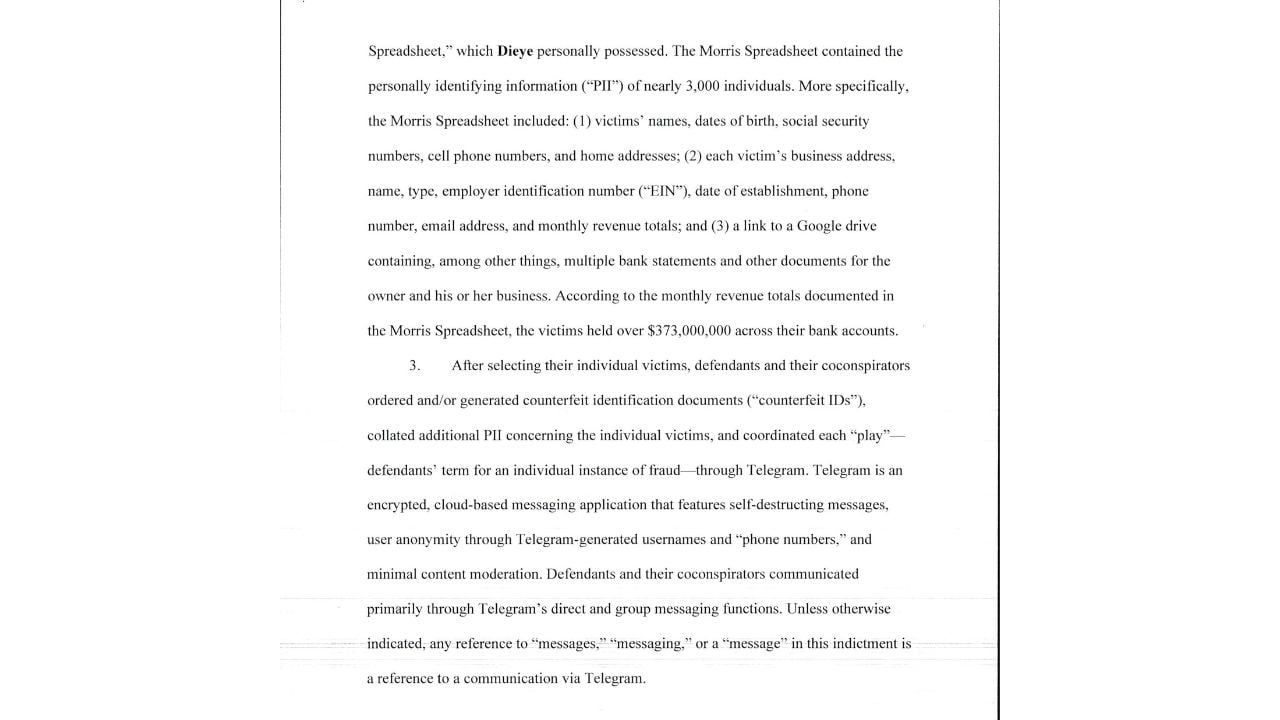
The 39-page federal indictment identifies a document called the “Morris Spreadsheet,” which Dieye allegedly possessed. It contained names, birth dates, Social Security numbers, addresses and telephone numbers, along with business identification numbers, revenue figures and links to bank statements and other financial records.
Prosecutors say the defendants used the identities of at least 75 people whose accounts collectively held at least $11 million. Those people included individuals from the spreadsheet and other wealthy targets.
Participants allegedly coordinated transactions through Telegram, calling individual fraud attempts “plays,” and purchased counterfeit driver’s licenses, passports and other identification documents. Recruited impersonators, known as “Scotties,” could be coached remotely while visiting bank branches.
Bank and Phone Company Employees Allegedly Helped Bypass Security
The indictment describes another group known as “Innys,” employees who allegedly provided unauthorized assistance from inside financial institutions and telecommunications companies. Their access could help participants get past account security checks.
Courtney Jane Sutton, who worked at Bank of America, allegedly used her employee credentials to access a targeted customer’s account five times on April 22, 2024. Messages attributed to other participants discussed her ability to process transactions and the limits of her authority without additional approval.
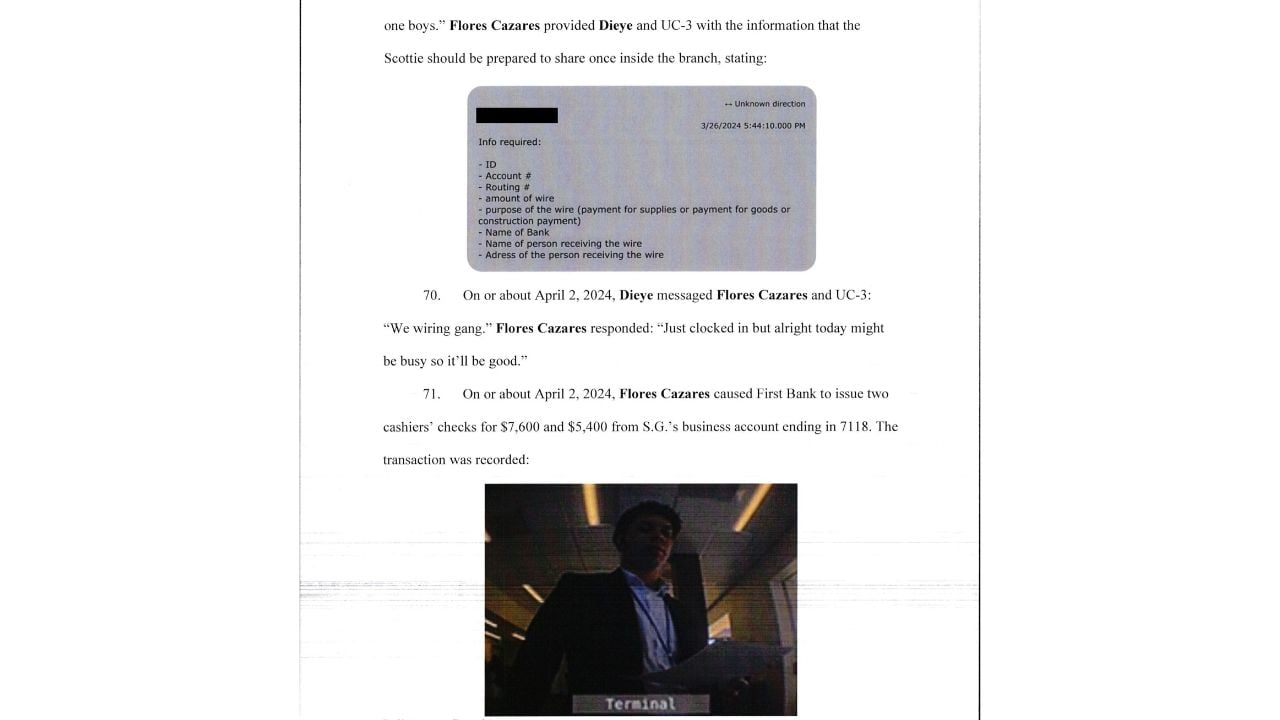
First Bank employee Kevin Brandon Flores Cazares allegedly discussed processing wire transfers below $100,000 with minimal questioning. On April 2, 2024, prosecutors say he caused the bank to issue two cashier’s checks for $7,600 and $5,400 from a customer’s business account.
Kemar Fitzroy Needham and Dylon Amari Ruby, who worked at AT&T during the alleged scheme, are accused of assisting with phone-account manipulation. In an April 3, 2024 exchange recounted in the indictment, Dieye asked Needham for an AT&T verification code, and Needham replied that he had sent it.
Prosecutors say the group used SIM swapping to gain control of victims’ phone numbers and obtain banking security codes. Participants also allegedly spoofed phone numbers and used personal information to answer account security questions.
The indictment describes how Terry Leon Daniels Jr. allegedly impersonated an account holder’s brother to be added as an authorized signatory. On November 21, 2023, he withdrew $1,200, $18,600 and $5,300 from the same customer’s Truist account at branches in Mesquite, Rockwall and Dallas, Texas.
A $2 Million Wire Attempt Was Marked Pending
According to the indictment, Dieye caused $275,000 to be wired from a victim’s Truist account to a luxury jewelry store on March 15, 2024. He also allegedly attempted an additional $225,000 transfer from the same account to a Canadian watch retailer.
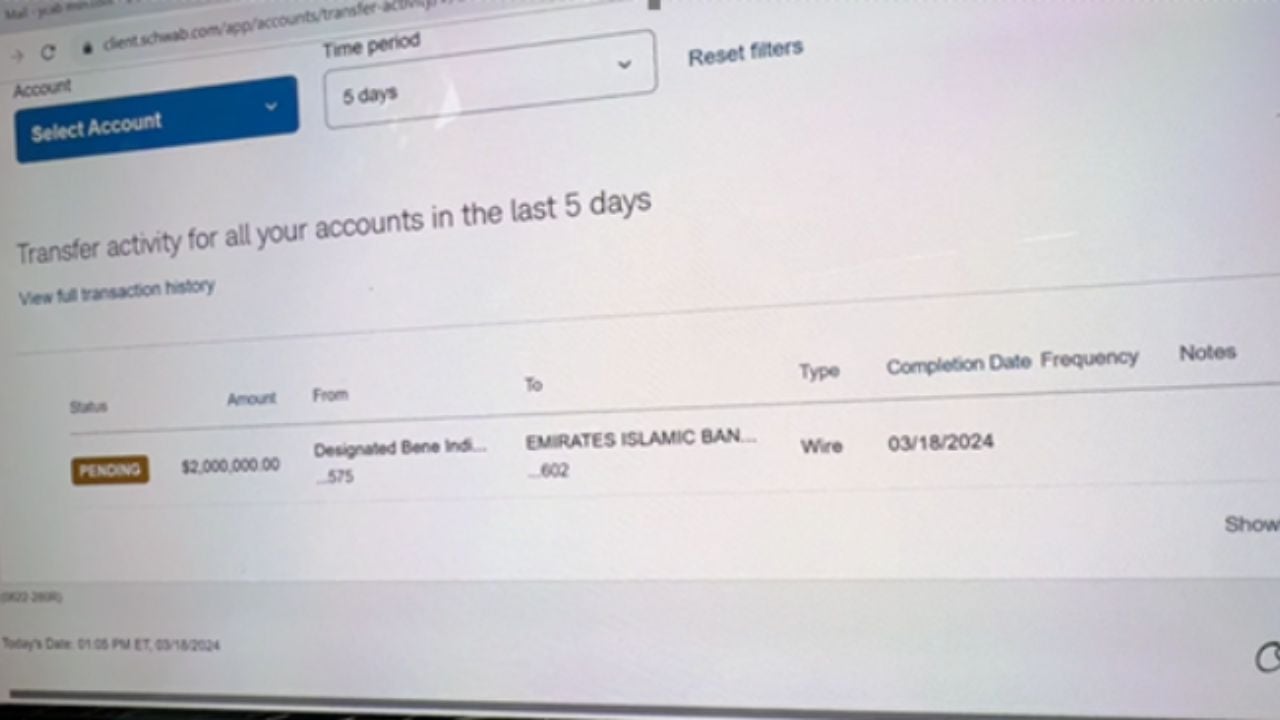
Three days later, Dieye, Sammed Kweku Okyne and Renaldo Santez Gaines allegedly tried to transfer $2 million from the same person’s Charles Schwab account to Emirates Islamic Bank. Prosecutors say they impersonated the account holder during a telephone call seeking approval. The screenshot’s pending status does not establish that the money reached its destination.
Airport Arrest Led to a Dispute Over Release
According to the Justice Department’s account of a government motion to revoke his release, Dieye had vacated his Dallas residence, shipped most of his belongings to Kenya and traveled with his family to catch the one-way flight from New York. Agents intercepted him after he scanned his boarding pass.
Prosecutors say Dieye resisted arrest and tried to destroy a cellphone containing evidence that he had researched buying a home in Malaysia. Multiple federal agents were needed to subdue him, according to the government’s account.
A federal magistrate judge in New York initially ordered Dieye released on bond, but prosecutors obtained an emergency stay. He was subsequently transferred to the Northern District of Texas, where he and several co-defendants remained in custody as of the November 3 announcement.
All 14 defendants are charged with conspiracy to commit bank and wire fraud. The indictment also includes separate bank and wire fraud counts against some defendants and six aggravated identity theft counts against Dieye.
A conviction for conspiracy to commit bank fraud can carry up to 30 years in federal prison. Aggravated identity theft carries a mandatory two-year term consecutive to the punishment for the underlying felony. All defendants are presumed innocent unless proven guilty.
How to Protect Bank Accounts From SIM Swapping and Unauthorized Transfers
The Federal Trade Commission recommends setting a PIN or password on a mobile carrier account and using an authentication app or security key instead of text-message codes when available. If a phone unexpectedly loses service, contact the carrier immediately and check financial accounts for unauthorized activity.
Consumers who discover unauthorized withdrawals should notify their financial institution promptly. The Consumer Financial Protection Bureau explains that reporting deadlines affect protections for covered electronic transfers from consumer accounts. Different rules may apply to business accounts and wire transfers.