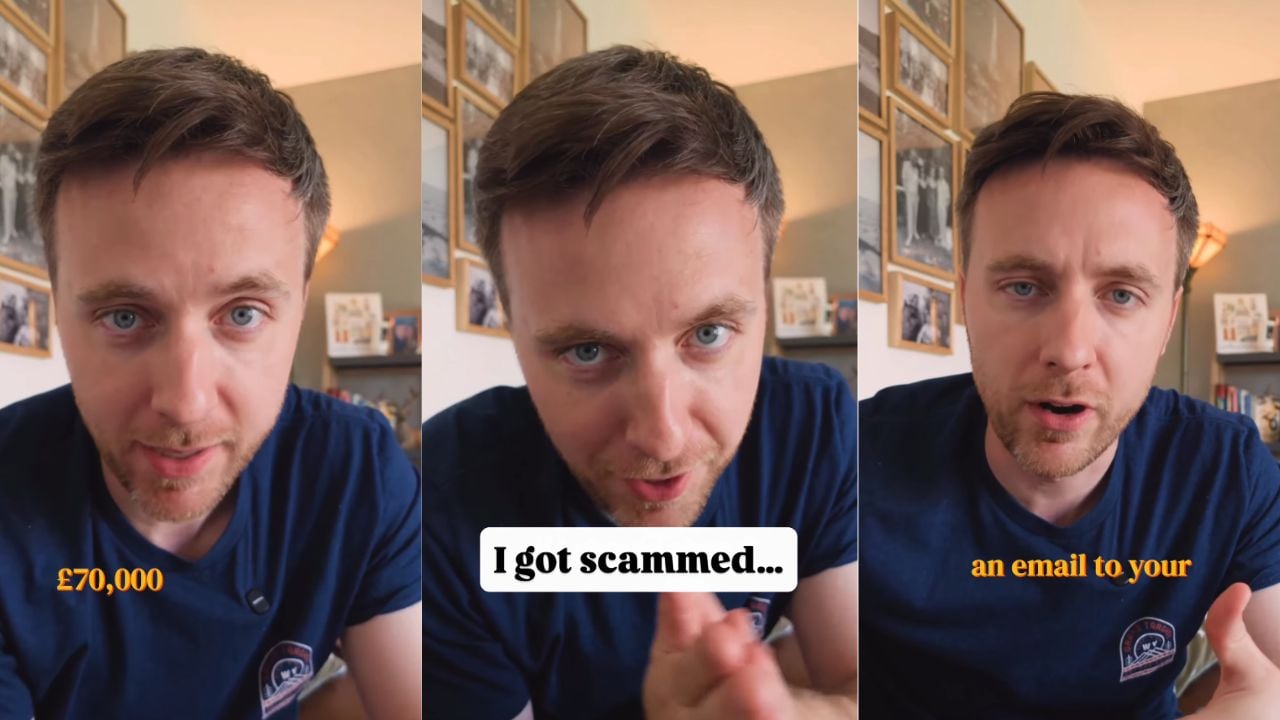
Tom Honeyands reviews technology for a living, but one late-night phone call still cost him £70,000.
Honeyands, known online as The Tech Chap, told The Guardian that he was on a work trip in Tokyo when someone claiming to be from Lloyds bank called about a supposed transaction in Singapore.
The caller said his account had been compromised and that security details needed to be reset. Honeyands, whose YouTube channel has more than 1.6 million subscribers, said he was tired, jet-lagged, and at dinner in a noisy setting when the call came in.
The trap was hidden inside the verification process. Honeyands thought he was confirming codes to cancel fraudulent payments, but The Guardian reported that the codes were actually authorizing new payees. Over several hours, he made 12 verifications that allowed criminals to move £70,000.
The Caller Knew His Bank, Address, and Travel Status
View this post on Instagram
Honeyands told The Guardian that the caller knew his name, address, bank, and travel status. He said he believes scammers may have built a profile from details visible in videos and social media posts.
One detail now stands out to him: banking icons visible on his computer home screen during videos. He told The Guardian that if someone saw a Lloyds icon, that was one more piece of information they could use to make the call sound real.
He also suspected the scammers knew he was traveling because of his public posts. The call came late at night while he was at dinner, and he said the combination of noise, fatigue, and jet lag contributed to him not paying full attention.
The Codes Were the Trap
The caller told Honeyands that codes would be sent to verify the cancellation of suspicious payments, according to The Guardian. Instead, the codes verified new payees.
The FBI has warned about account-takeover fraud in which criminals impersonate financial-institution employees and manipulate account owners into giving away login credentials, multi-factor authentication codes, or one-time passcodes.
The FDIC also warns that scammers pretend to be from banks and ask for sensitive information, including account passwords, debit or credit card numbers, and other personal details.
In Honeyands’ case, the scam call ended only after the real Lloyds security team contacted him. He said he had the criminal caller on one line and the real bank on another before the real Lloyds employee told him to hang up on both and call back using the number on the back of his bank card.
Public Posts Can Give Scammers Better Scripts
Honeyands told The Guardian he felt embarrassed and believed he “should know better.” He also said the experience changed how he thinks about details visible in his videos and posts.
The risk is not limited to influencers. Vacation posts, desk photos, livestreams, phone-screen screenshots, home-office videos, and casual social updates can reveal small details that make a future scam call sound more convincing.
The FBI’s account-takeover warning also tells people to be careful about the information they share online or on social media, because personal details can help scammers target accounts.
The Safer Move Is to End the Call First
Lloyds told customers in The Guardian report that if a call seems suspicious, they should call back on a trusted line, such as the number on the back of a debit card.
That advice matches the FBI’s warning, which tells consumers not to trust caller ID and to hang up, verify the correct number, and call it themselves if someone claiming to be from a financial institution contacts them.
The safest response is not to keep proving who you are to the caller. Hang up, pause, and contact the bank directly through the number on the card, the official app, a statement, or the bank’s verified website.
A code sent by a real bank can still help a criminal if the person who asked for it is fake.