Ever walk out of a movie talking about someone who wasn’t the main character? The kind of performance that hijacks the conversation, steals the best scenes, and somehow rewires the whole movie around them. These are the roles that weren’t supposed to dominate, but absolutely did.
Sometimes it’s charisma, sometimes it’s menace, sometimes it’s emotional precision that lands like a gut punch. Either way, these actors didn’t just support the story. They quietly took it over.
Heath Ledger in The Dark Knight (2008)
Christian Bale was front and center as Batman, but The Dark Knight shifted the moment Heath Ledger’s Joker appeared. Ledger didn’t play the role like a comic-book villain; he played it like chaos given human form. His physicality, from the off-kilter walk to the constant lip-licking, made the character feel unstable in deeply unsettling ways.
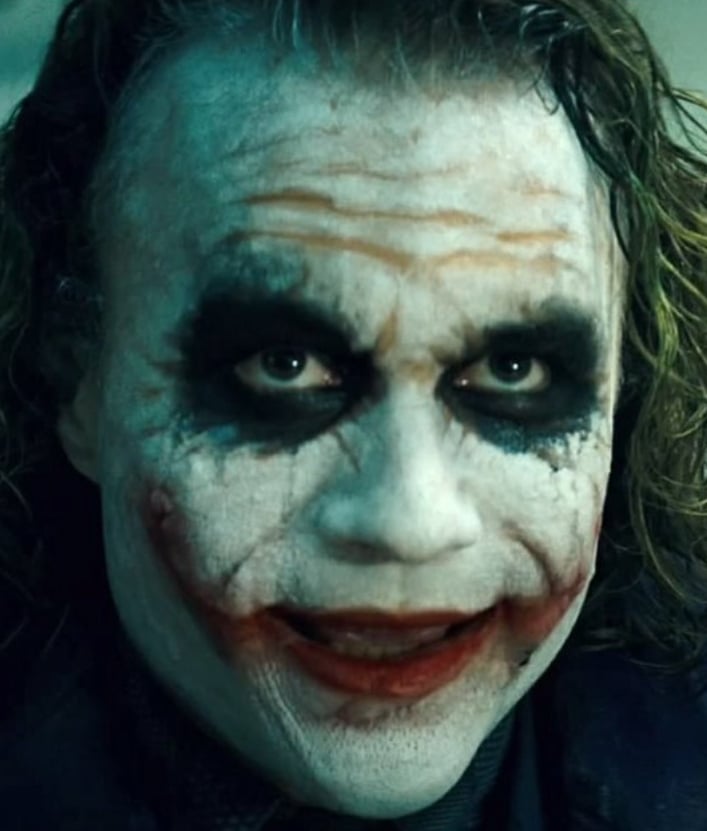
Critics immediately recognized the performance as something rare, with The New York Times calling it “a performance of riveting ferocity.” Ledger’s Joker didn’t rely on backstory or sympathy, which only made him more terrifying. Every scene felt dangerous because you genuinely didn’t know what he’d do next.
Ledger posthumously won the Academy Award for Best Supporting Actor, a decision that reflected just how completely he overtook the film’s legacy. The Joker became the emotional engine of the story, not Batman’s heroism. More than a decade later, the performance remains the gold standard for comic-book villains.
Viola Davis in Doubt (2008)
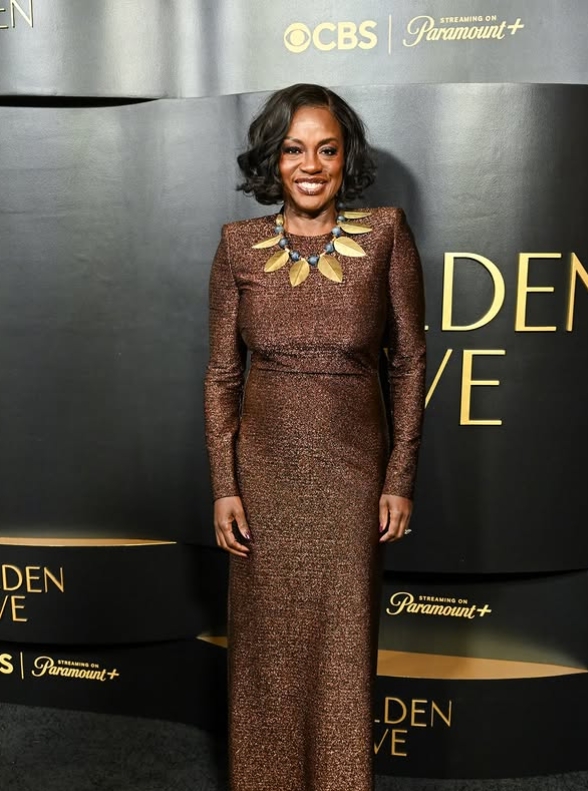
Viola Davis appears in Doubt for less than ten minutes, yet her performance reshapes the entire film. Playing Mrs. Miller, a mother confronting Meryl Streep’s stern nun, Davis brings fear, love, and moral complexity into a single devastating scene. There’s no theatrical flourish; just raw, lived-in emotion.
Critics were stunned by how much she conveyed with restraint alone. Roger Ebert called the scene “the emotional center of the movie.” Davis allows uncertainty to live in every pause, making the moment painfully human rather than neatly resolved.
Despite limited screen time, Davis earned an Academy Award nomination for Best Supporting Actress. The performance is now routinely cited in discussions about how little time an actor actually needs to make an impact. It didn’t feel like a cameo. It felt like truth breaking through the script.
Christoph Waltz in Inglourious Basterds (2009)
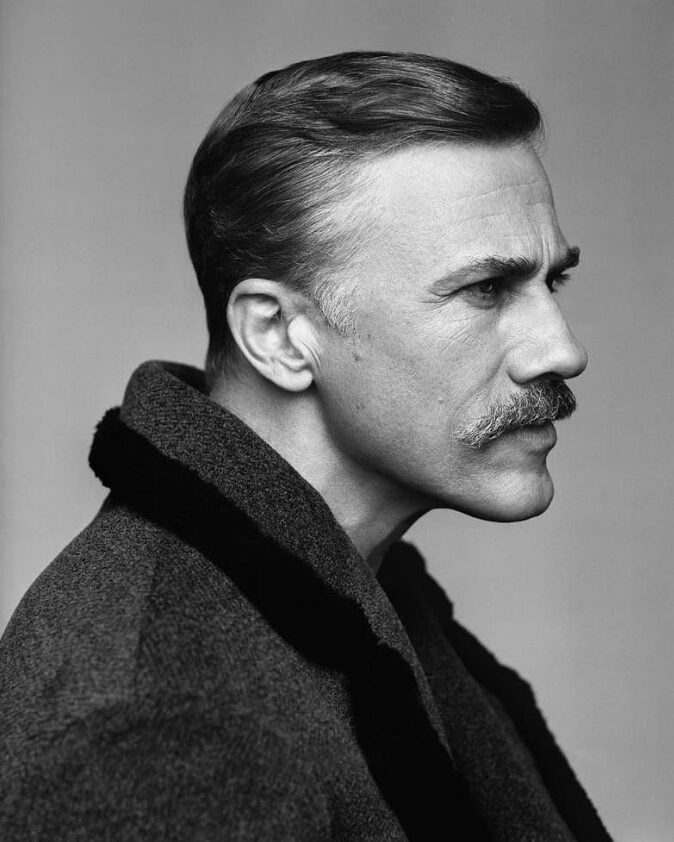
Christoph Waltz was not the marquee name when Inglourious Basterds premiered, but he left as its most unforgettable presence. His portrayal of Hans Landa blended charm, menace, and intelligence, keeping audiences constantly uneasy. Waltz didn’t rush scenes; he let tension stretch until it snapped.
Critics praised his control, calling the performance “diabolically delightful.” What made Landa terrifying wasn’t violence; it was how much he enjoyed conversation. Waltz turned dialogue into psychological warfare.
He won the Academy Award for Best Supporting Actor, becoming one of Quentin Tarantino’s most celebrated collaborators overnight. Even in a film packed with strong personalities, Waltz consistently commanded attention. It’s hard to imagine the movie functioning without him.
Lupita Nyong’o in 12 Years a Slave (2013)
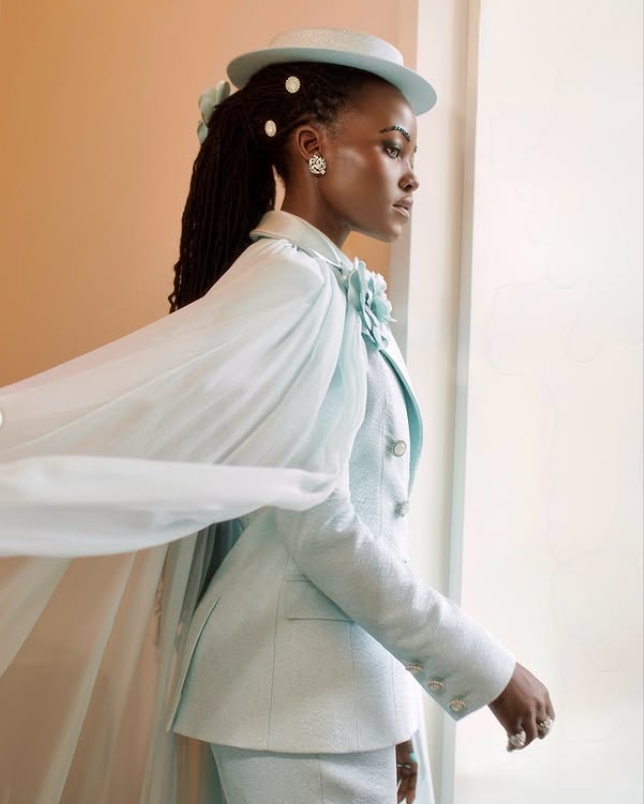
While Chiwetel Ejiofor carried 12 Years a Slave, Lupita Nyong’o delivered its most haunting performance. As Patsey, she embodied suffering without ever flattening the character into symbolism.
Her pain felt personal, immediate, and relentless. Nyong’o didn’t overplay anguish; she let it exist, which made it harder to watch. Her scenes linger long after the film ends. She won the Academy Award for Best Supporting Actress, an extraordinary achievement for a film debut. More importantly, she became the emotional heartbeat of the story. The movie is remembered largely through her performance.
J.K. Simmons in Whiplash (2014)
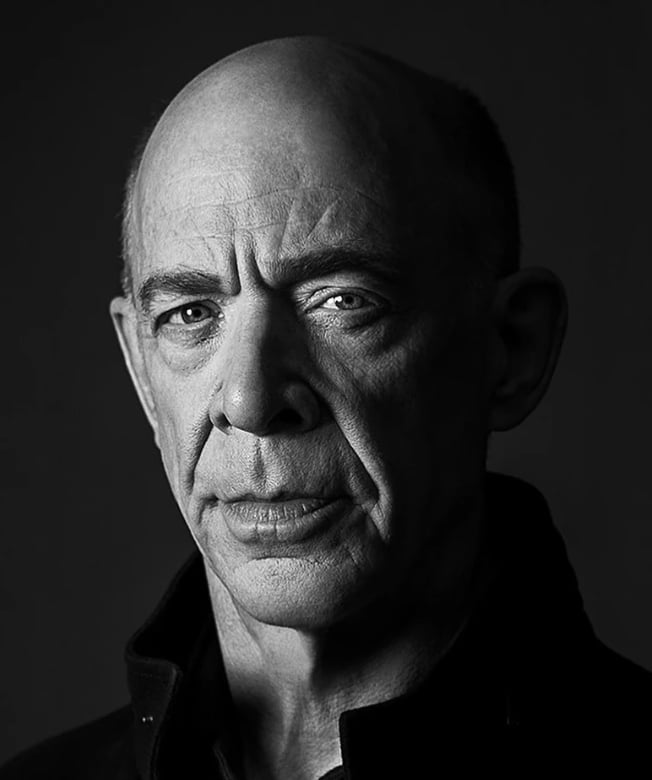
Miles Teller was the protagonist of Whiplash, but J.K. Simmons was its pulse. His portrayal of music instructor Terence Fletcher was loud, abusive, and hypnotic. Simmons made cruelty feel purposeful, which was deeply unsettling. Critics praised how he avoided cartoon villainy, instead grounding the character in brutal logic. Rolling Stone described the performance as “electrifying.” Every confrontation felt like a psychological boxing match.
Simmons won the Academy Award for Best Supporting Actor, sweeping nearly every major critics’ award along the way. His presence elevated the film from sports-movie metaphor to moral debate. You don’t forget Fletcher, even if you want to.
Melissa McCarthy in Bridesmaids (2011)
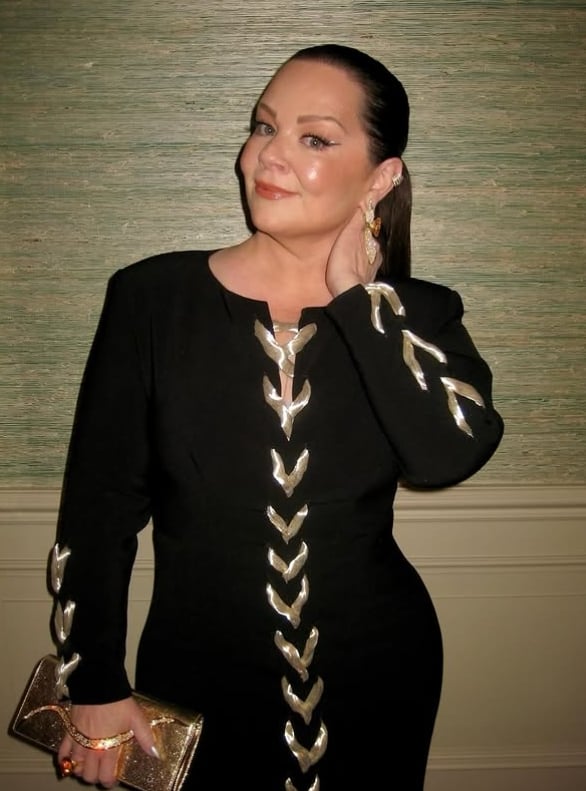
Kristen Wiig led Bridesmaids, but Melissa McCarthy detonated it. Her performance as Megan was unapologetically bold, absurd, and shockingly confident. She didn’t soften the character for likability, and that was the point. Critics praised how McCarthy balanced chaos with sincerity, avoiding caricature. She stole every scene without derailing the movie. Her confidence rewrote expectations for female comedic roles.
McCarthy earned an Academy Award nomination, a rarity for broad comedy. The role launched her into a leading status, but it remains one of her most iconic. Megan didn’t just support the film; she redefined its tone.
Javier Bardem in No Country for Old Men (2007)
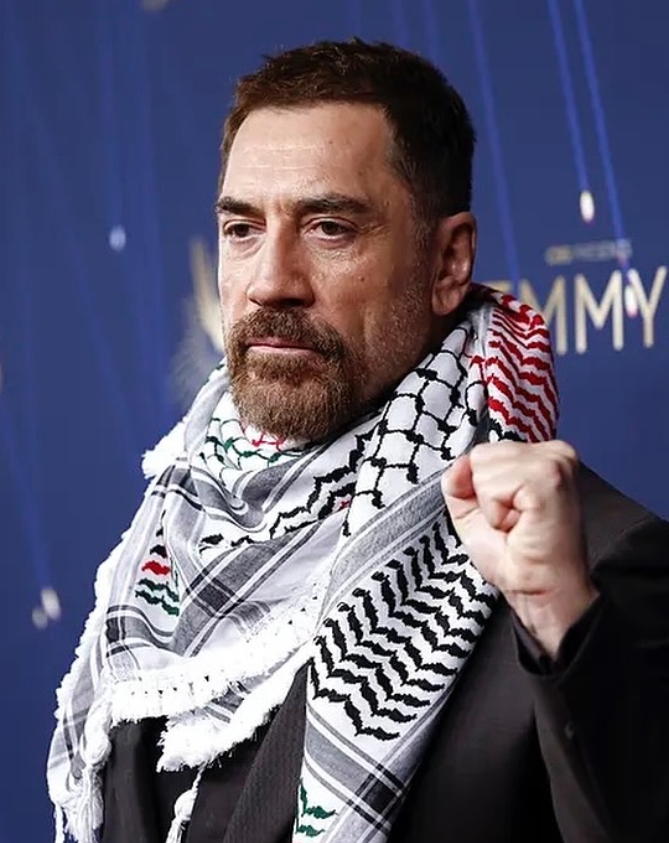
Javier Bardem’s Anton Chigurh barely speaks, yet dominates No Country for Old Men. His calm, measured delivery made every scene feel fatalistic. Violence wasn’t explosive; it was inevitable. He won the Academy Award for Best Supporting Actor, and the role became a benchmark for screen villains.
Critics called the performance one of the most frightening in modern cinema, with many describing him as “death with a haircut.” Bardem resisted explanation, making the character unknowable. Even years later, Chigurh’s presence looms over the film’s reputation. It’s menace distilled.
Octavia Spencer in The Help (2011)
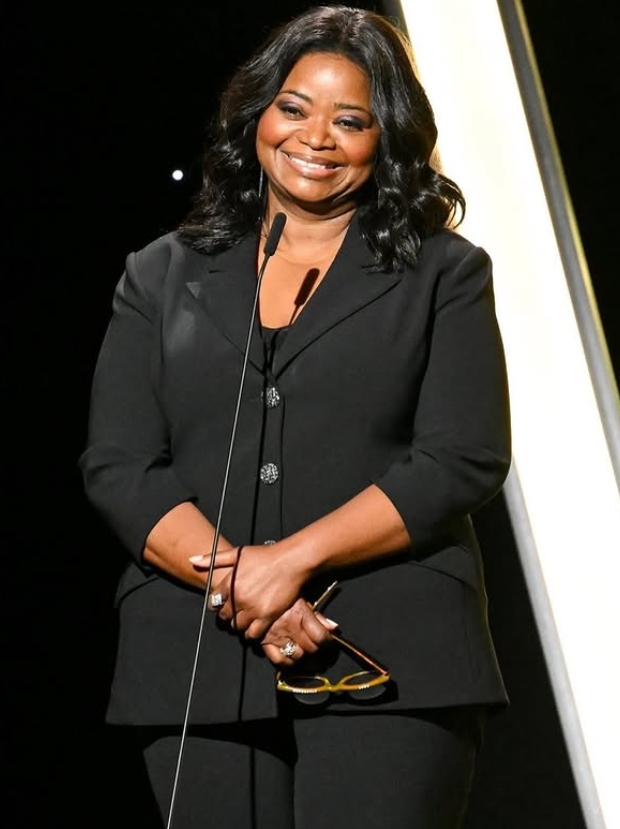
Octavia Spencer wasn’t the narrative lead of The Help, but she grounded it emotionally. Her portrayal of Minny combined humor, anger, and resilience without slipping into stereotype. She brought lived experience into every moment.
Critics consistently cited her performance as the film’s strongest element. They praised her ability to balance comedy with moral weight. Minny felt real, not written. Spencer won the Academy Award for Best Supporting Actress, and the audience response mirrored critics’ enthusiasm. Her performance became the film’s most enduring memory. Sometimes, heart matters more than screen time.
Timothée Chalamet in Lady Bird (2017)

Saoirse Ronan anchored Lady Bird, but Timothée Chalamet quietly stole scenes as Kyle. His performance captured emotional immaturity with painful accuracy. Nothing felt exaggerated, which made it sting. Critics praised his restraint, calling the character “uncomfortably familiar.”
Chalamet resisted charm, leaning into awkward honesty instead. It made the role resonate. Though not awards-driven, the performance cemented Chalamet as a generational talent. He didn’t dominate the film; he haunted it. That’s often more powerful.