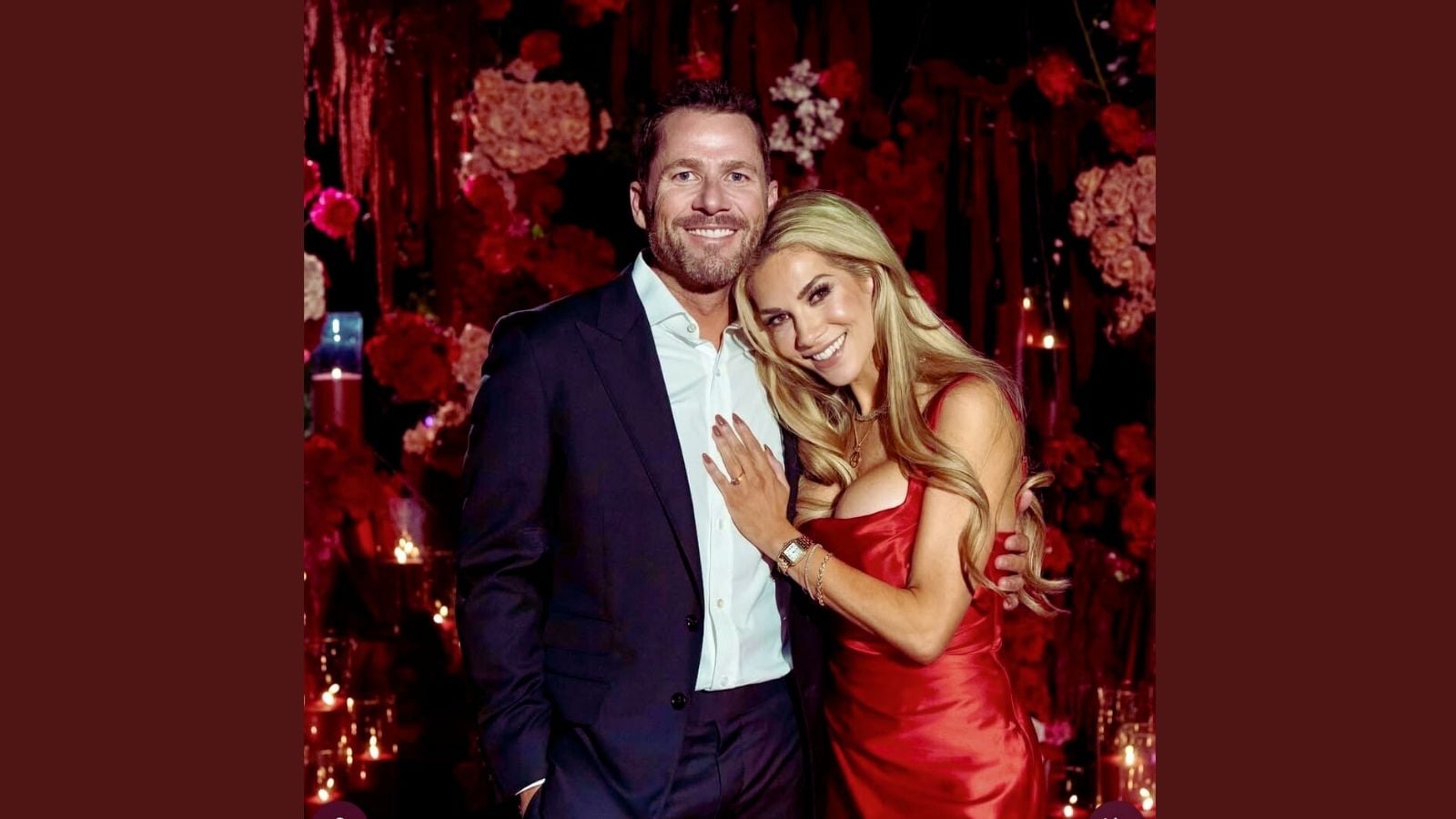
Allison Holker is celebrating a significant new chapter in her life. The professional dancer announced her engagement to tech executive Adam Edmunds on Instagram on February 12, 2026, sharing the joyful news following a surprise proposal during her birthday party.
Dressed in a vibrant red gown against a lush floral backdrop, Holker appeared radiant in photos capturing the moment Edmunds dropped to one knee in front of gathered guests. This milestone comes just over three years after the death of her husband, Stephen tWitch Boss, in December 2022.
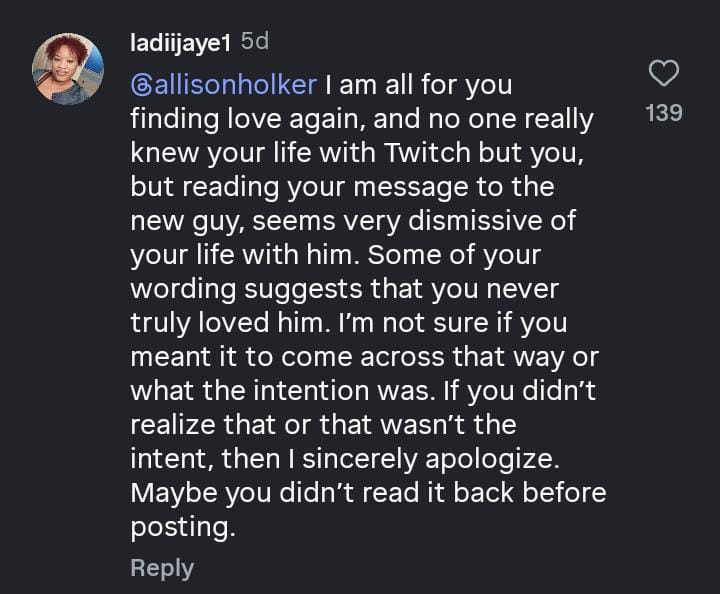
The announcement quickly sent fans into a flurry of activity on social media. While the post has garnered hundreds of thousands of likes and thousands of celebratory messages, a visible pocket of debate has emerged regarding the specific language used in the caption.
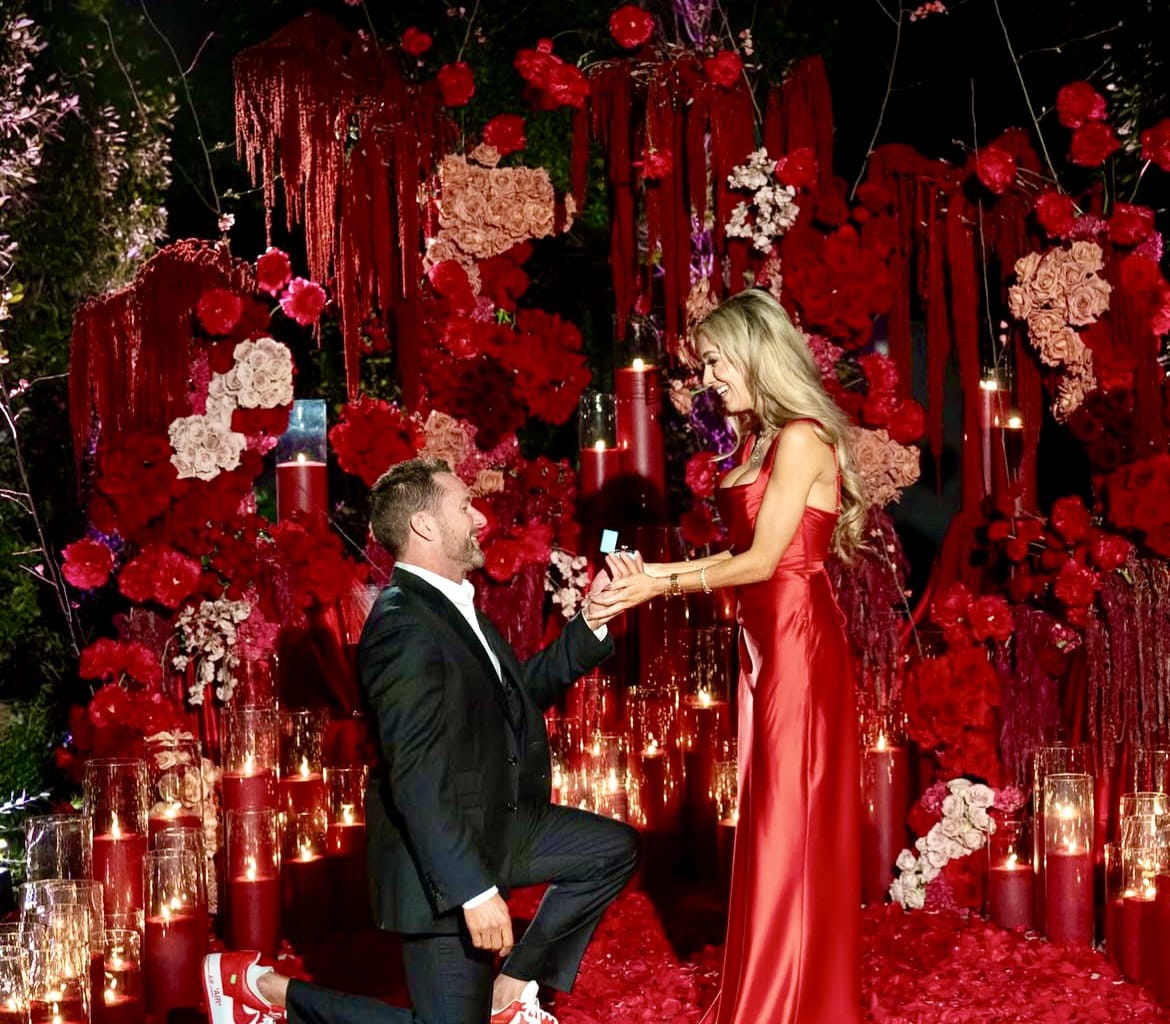
Holker described the proposal as the most romantic night of her life, a superlative that has triggered a complex conversation about how the public expects survivors to narrate their journeys toward new happiness.
The Superlative Trap and the Language of Joy
The friction surrounding the post centers almost entirely on a single sentence. Holker wrote that the engagement was the most romantic night of her life, adding that she is so in love with Edmunds and forever grateful for the influence he has had on her and her children. This choice of words drew immediate attention in the Instagram comment section, where followers began comparing this new milestone to her high-profile history with Boss.

Many observers pointed to the years Holker and Boss spent performing together on television programs such as So You Think You Can Dance. During their time on air, their partnership was frequently described by judges and fans as epic, creating a lasting public legacy of their romance.
Some commenters questioned the use of the word most in relation to this new engagement, suggesting the phrasing appeared to minimize the significance of her previous marriage.
Harsher claims from a subset of critics even suggested the phrasing was intentionally disrespectful or noted the absence of specific family members in the proposal photos. These opinions highlight what some observers call a superlative trap, where public figures are scrutinized for the vocabulary they use to describe new milestones.
The debate suggests that for some fans, the memory of a past relationship remains so sacred that any description of a new partner as a peak experience is met with resistance.
A Timeline of Transition and Privacy
To understand the current discourse, it is necessary to look at the timeline of Holker’s journey over the last few years. Following the loss of Boss in late 2022, the dancer maintained a period of privacy as she navigated life as a single mother. It was not until late 2024 that she first shared her relationship with Edmunds with the public, signaling a slow and intentional return to the spotlight.

Edmunds, reported to be a 45-year-old tech executive, brings his own children from a prior relationship into this new union. The blending of their families has been a key theme in Holker’s rare updates about her private life. In her engagement post, she explicitly noted his influence on her children, a detail that many of her supporters found deeply moving and indicative of a healthy new family dynamic.
Between February 13 and February 18, 2026, varied reactions continued to emerge across the platform. While critics focused on the “most romantic” phrasing, a massive wave of supporters stepped in to defend the rights of survivors to embrace new joy without caveat. This divide illustrates the persistent tension between a celebrity’s personal evolution and the collective memory of their past identity that fans often hold onto.
The Quiet Response and the Path Forward
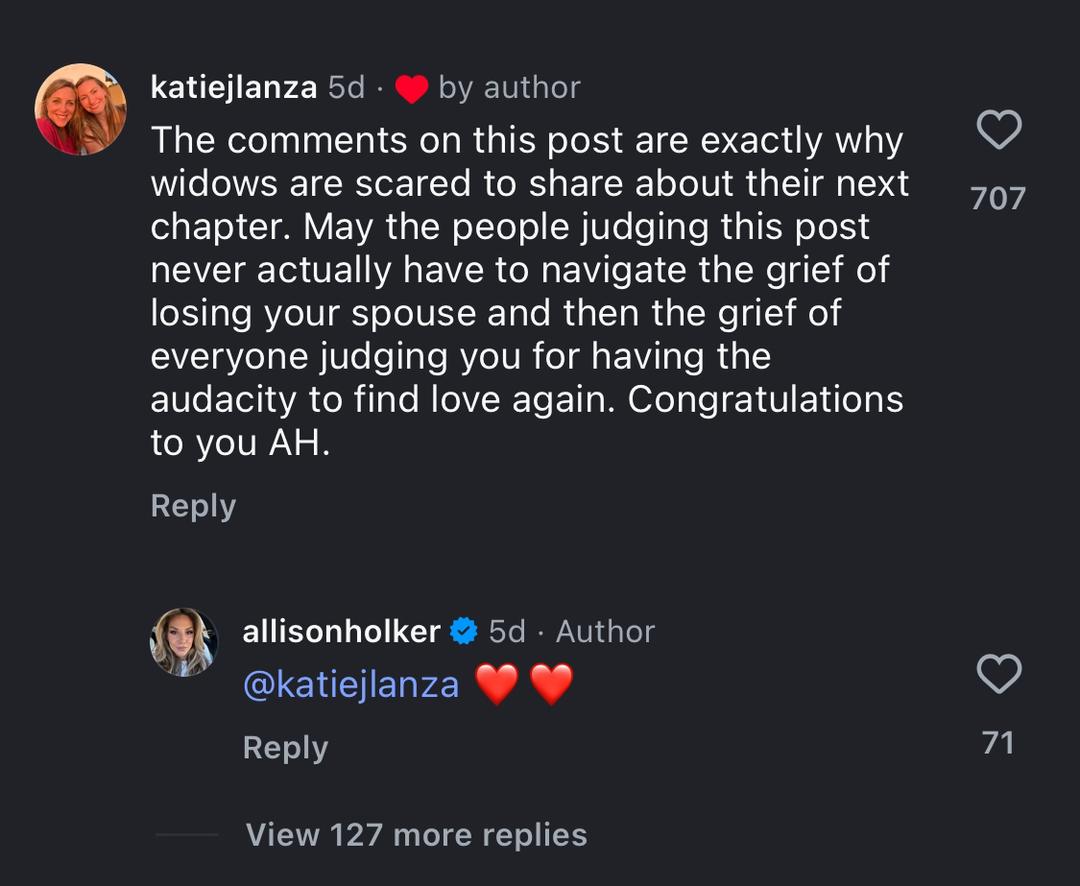
Holker has not issued a formal statement addressing the online feedback or the debate surrounding her caption. Instead, she has used her verified Instagram account to subtly signal her perspective by liking specific comments that support her transition. One post she liked mentioned that the negative reactions to her news are the exact reason widows often fear sharing their next chapters with the world.
Reports from major outlets like BuzzFeed have confirmed the engagement details and the couple’s history. While some outlets noted the online tension regarding her vocabulary, there are no verified reports concerning the reactions of Boss’s family members or the reasons for any guest absences. Holker appears to be focused on the community members who are celebrating her news rather than the critics.
This situation highlights the complex expectations placed on public figures navigating life after a tragedy. When a person in the public eye uses superlatives for a new partner, it often triggers a debate on the intersection of memory and moving forward. It raises the question of whether a survivor is allowed to have a new best day or if the public expects the past to remain an untouchable peak.
As Holker prepares for her future with Edmunds, the digital discourse serves as a case study in media psychology. The insistence that a past love must remain the primary descriptor of a person’s life creates a unique pressure for public figures trying to rebuild.
This event demonstrates that for celebrities, personal milestones are rarely viewed in a vacuum but are instead filtered through the lens of their collective history.
The engagement of Allison Holker is more than just a celebrity headline; it is a reflection of how society views the timeline of grief. By choosing to use the word most, Holker has effectively claimed her right to a present joy that is not overshadowed by her past. Whether the public is ready to accept that narrative shift remains a central point of discussion as she moves toward her wedding day.
The cultural conversation sparked by a single Instagram caption reveals a deep discomfort with the idea that happiness can be redefined.
For Holker, the most romantic night isn’t a replacement for her past, but a testament to her capacity to find light again. In the end, the debate says much more about the audience’s attachment to the past than it does about the dancer’s commitment to her future.