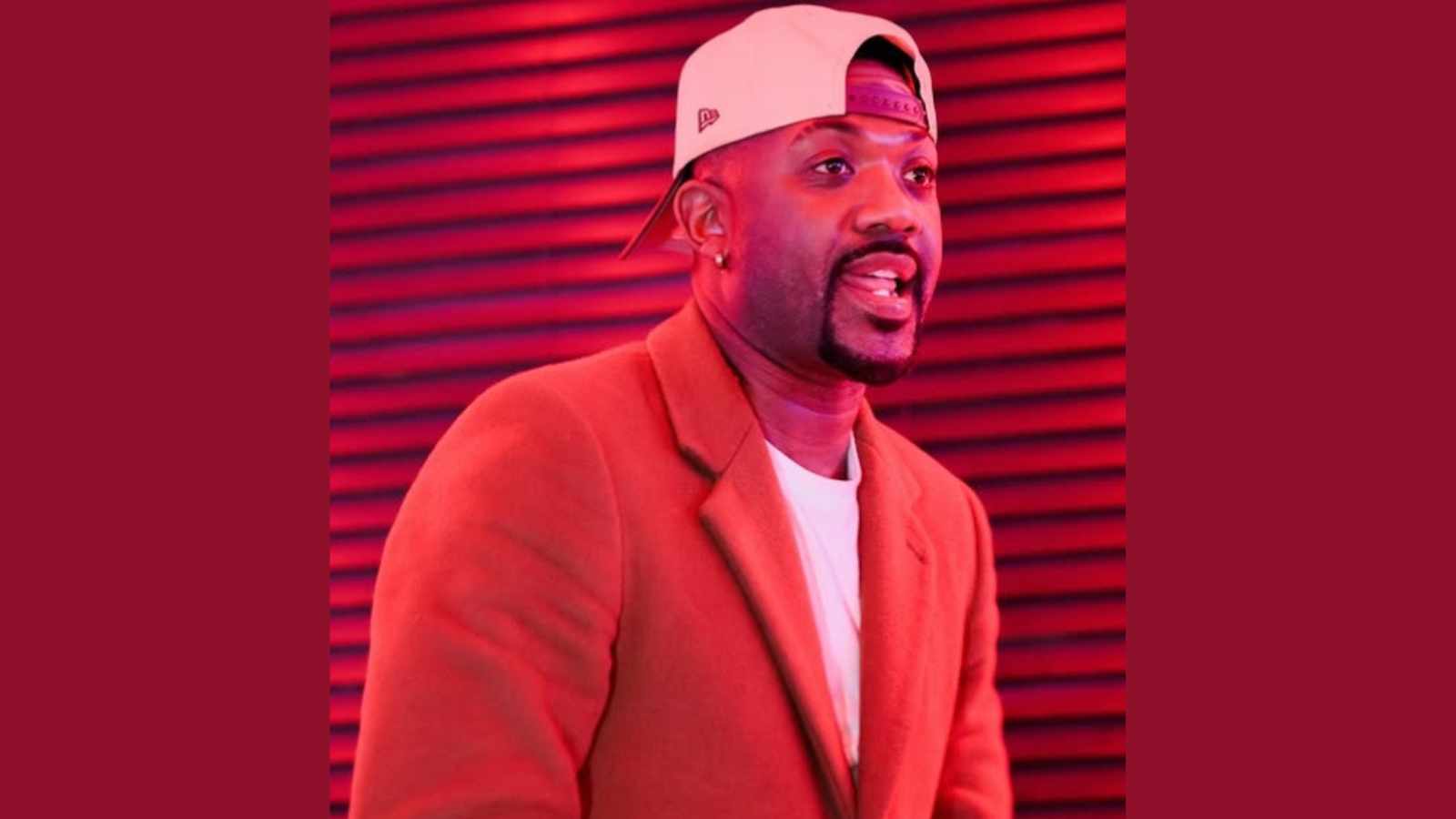
R&B singer Ray J ignited widespread conversation and concern after a Valentine’s Day performance in Shreveport, Louisiana, took a theatrical turn that left fans and critics alike scratching their heads. Video footage from the February 14 concert showed the artist appearing to have blood streaming from both eyes and what looked like red liquid on a chest monitor while he performed.
The bizarre visuals quickly spread across social media, sparking speculation about his health and intentions, but new claims suggest much of it may have been stage theatrics and fake blood applied before the show. What started as shock and concern for Ray J’s reported health has now become a multi-layered story about performance, authenticity, and how public figures navigate both physical struggle and public perception.
The Shocking Performance That Set the Internet Ablaze
Footage from the Shreveport Municipal Auditorium on February 14 showed Ray J, 45, dressed in an orange outfit, handing out roses to fans, then removing his sunglasses to reveal what looked like blood pouring down his face from both eyes.
At one point, he also removed the top part of his jumpsuit, revealing a device on his chest that appeared to be a heart monitor, and red liquid smeared nearby. Fans were understandably alarmed.
In previous social media posts dating back to January, Ray J had shared concerning health updates, saying he had been hospitalized for pneumonia and heart pain and that doctors told him his heart was only functioning at about 25 percent capacity, a serious condition often associated with heart failure. He even stated in livestreams that he might only have “months to live,” saying “2027 is definitely a wrap for me.”
Given that backdrop, seeing what appeared to be blood running down his face during a live show was a visual that triggered both alarm and sympathy from viewers online.
What the Photographer Says
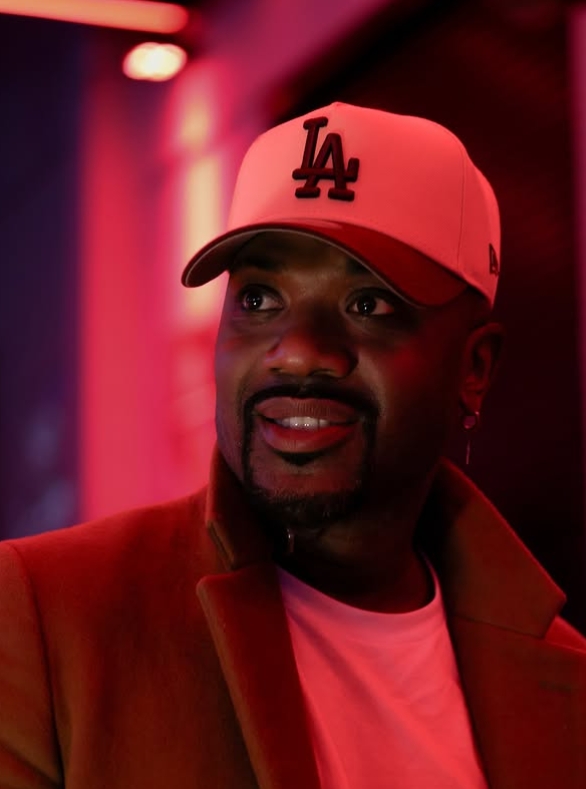
Just days after the concert went viral, a local concert photographer identified as Tommy Nard II came forward with a behind-the-scenes allegation. As reported by People, he claimed the “blood” Ray J appeared to be bleeding was not real. According to Nard, he filmed Ray J backstage applying what looked like fake blood beneath his eyes before going on stage.
“He loves the camera. He loves the attention. Anybody that knows him, it’s all theatrical,” the photographer told People, explaining that he saw him literally put on the fake blood and then go out into the crowd.
Ray J performed last night with his heart monitor, and fans assumed real blood was coming out of his eyes and chest. pic.twitter.com/Mi8L6xpf5F
— livebitez (@livebitez) February 15, 2026
The visuals were part of a show strategy, not an actual medical emergency. That has led many observers to wonder if the entire scene was a staged moment designed to provoke a reaction rather than a depiction of genuine bleeding.
Manager and Team Respond
While the fake blood claims have swirled, Ray J’s manager, Melinda Santiago, has pushed back against the idea that the blood was simply for show or a cheap stunt. Rather than confirm or deny whether the substance was fake, Santiago emphasized that Ray J has legitimately been battling health issues and that artists still have obligations to perform.
“We all know that Ray J has been under the weather,” she told People, adding that performers “still gotta do their job whether they are bleeding or not.”
Santiago has also criticized outside videographers and backstage workers for trying to capitalize on his name and health woes, saying some footage was shared opportunistically rather than professionally. In a later Instagram post, Ray J himself appeared with his manager in photos, captioning it with cryptic lines like “WHATEVER MELINDA SAYS GOES” and emojis hinting at “it’s deeper than you think.”
That statement, deliberately ambiguous, has left people wondering whether the visuals were a planned performance, an emotional or artistic expression, or something else entirely.
So What’s Real About Ray J’s Health?
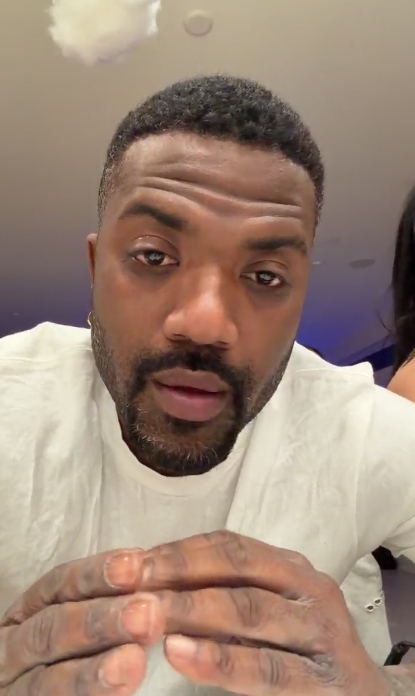
According to reporting from January, Ray J was hospitalized in early January after experiencing severe pneumonia and heart pain, issues that, combined with his own admitted history of substance use, led doctors to diagnose significant heart dysfunction. He also claimed that the right side of his heart had turned “black,” and that his heart was only pumping about 25 percent of its capacity.
A heart functioning at 25 percent is serious and typically requires ongoing medical care, but it doesn’t always mean imminent death, especially if someone receives appropriate treatment. Heart failure specialists note that heart function can sometimes improve with medication or lifestyle changes.
But in Ray J’s social posts, his comments about “months to live” gave fans a very urgent context to interpret his performance visuals. His self-described health battle is real, and that’s part of why this story has resonated and confused so many.
Artistry or Exploitation?
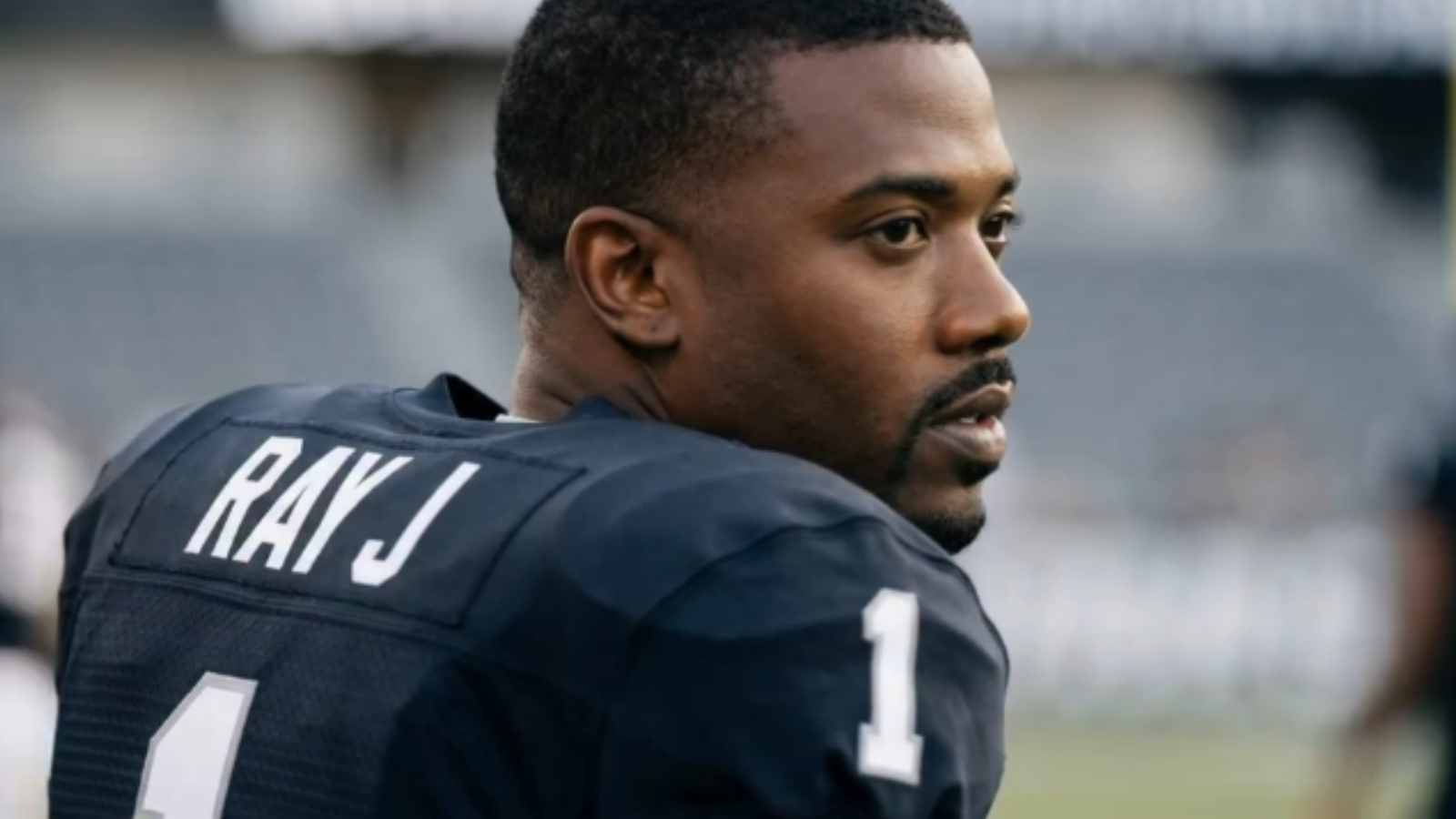
Part of what makes this story interesting is that it sits at the intersection of performance, personal narrative, and public perception.
If the blood was indeed fake, was it a performance tactic meant to represent emotional or physical struggle visually? Or did it cross into exploitative territory, putting real health concerns on display in a way that blurs fact and fiction?
Rather than a stunt, the blood might have been a metaphorical artistic expression of what Ray J feels internally, using dramatic imagery to communicate the seriousness of his health battle. However, the visuals cause confusion and undermine public trust, especially when health influencers and artists are expected to be genuine with their audiences.
What’s Next for Ray J? Health, Art, and Legacy

Ray J has not directly responded to the fake blood claims with a clear yes or no. His social media posts have been suggestive but ambiguous, emphasizing loyalty to his team and hinting that there’s “more beneath the surface.”
His manager has underscored that his health issues are real and that artists have to fulfill commitments, but she stopped short of denying the theatrical nature of the visuals. The ongoing conversation raises questions about how artists use symbolism and narrative in live performances, especially when their personal lives are part of the public spectacle.
One thing is certain: Ray J’s Valentine’s Day performance will be remembered not just for the blood-like visuals but for the discussions it sparked about how entertainment, personal health, artistic expression, and public perception intersect in the age of social media.
And regardless of whether the blood was fake theatrics or a real medical crisis, the moment forced people to reckon with a reality many artists face: the line between shock value and genuine vulnerability is thinner and more complicated than ever.