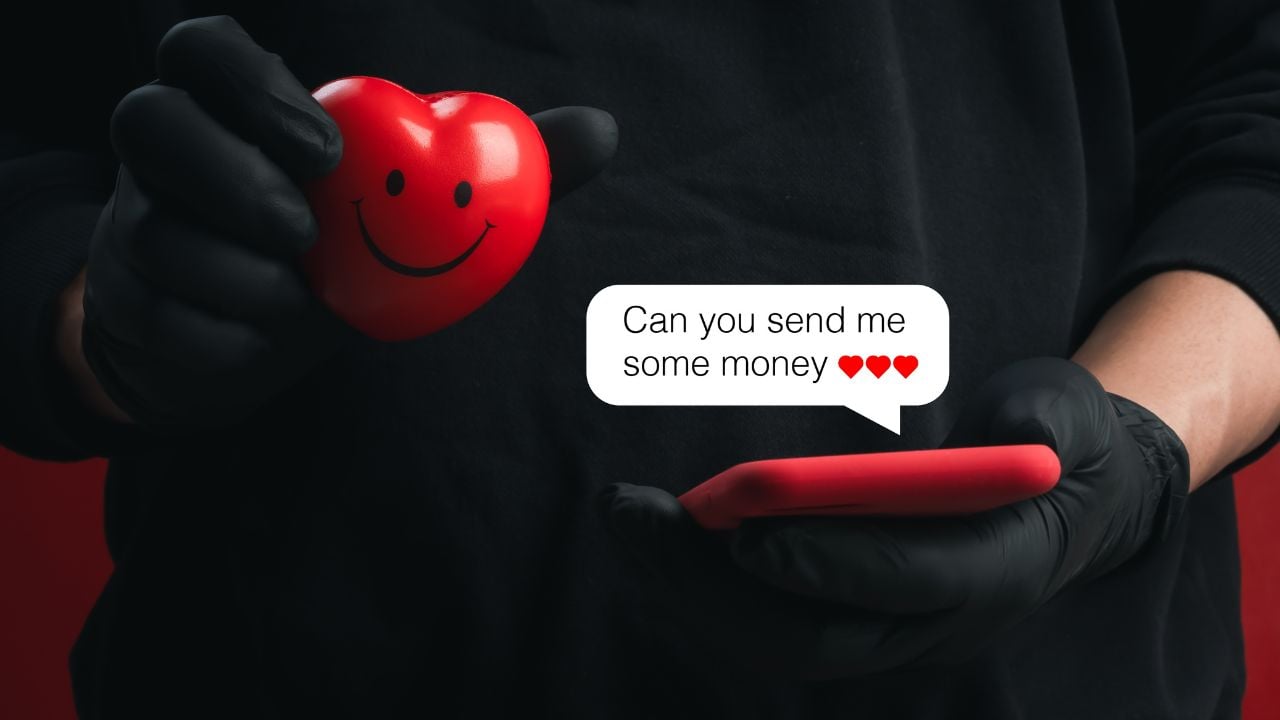
A 75-year-old B.C. woman says a romance scam that began on Facebook left her $60,000 in debt and with almost nothing to live on.
Sharon Blakeborough told the Delta Optimist that the scam lasted about a year and left her financially and emotionally devastated. The report said Blakeborough suffered a heart attack after the ordeal.
The man who contacted her used the name “David Thompson,” according to a republished version of the Delta Optimist story. He presented himself as a military doctor who had served in Syria, showered her with affection, and promised to build her a house on her reserve in Chowéthel, also known as Chawathil.
The case is a familiar romance-scam pattern with a painful local victim: a person online builds trust, creates emotional attachment, and slowly turns the relationship into requests for money.
The Scam Began After A Lonely Period

Blakeborough had separated from her husband in 2022 before the Facebook relationship began, according to the Delta Optimist report republished by Turtle Island News. “I started to believe in him because I was vulnerable, because I was lonely. Yes, I was very lonely,” she said.
The RCMP describes romance scams as schemes in which someone creates a false identity and pretends to have romantic feelings for a victim to gain trust and affection for the purpose of getting money.
Blakeborough said she had “nothing to live on” after the scam, according to the Delta Optimist headline. For a retired victim, a $60,000 debt can mean more than a temporary setback. It can affect housing, groceries, health, family relationships, and the ability to recover financially.
Romance Scammers Often Create A Crisis
Romance scams often begin with attention and affection before the money request appears. The reason can change from case to case: travel costs, medical bills, customs fees, legal trouble, business problems, or another urgent personal crisis.
The RCMP says fraudsters often research potential victims online, build a relationship, then fake a scenario that requires quick money. The request may involve cash, cryptocurrency, gifts, investments, or other transfers.
The FBI gives the same broad warning: romance scammers use fake online identities to gain affection and trust, then use the illusion of a romantic or close relationship to manipulate or steal from victims. The agency says a major warning sign is someone who promises to meet in person but always finds an excuse not to.
Shame Can Keep Victims Silent
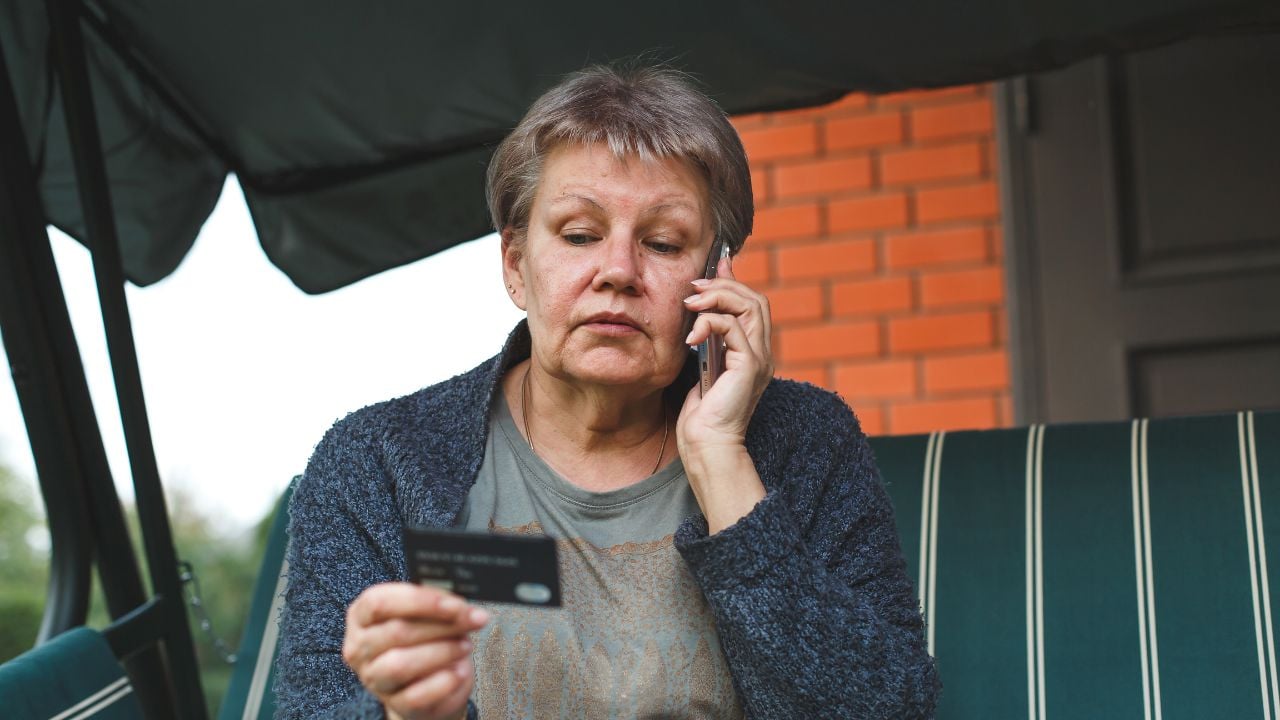
Romance scams can be especially isolating because the victim believed the relationship was real. The RCMP says reported romance-fraud numbers are likely lower than the actual total because many victims never report the crime or tell loved ones due to shame, fear of ridicule, or denial.
A victim who feels embarrassed may keep sending money, avoid asking family for help, or delay calling the bank or police.
The warning is not that every online relationship is fake. The warning is that secrecy, pressure, fast emotional attachment, repeated excuses for never meeting, and requests for money should stop the conversation before another payment is sent.
Victims Should Stop Contact And Call The Bank
The Canadian Anti-Fraud Centre collects fraud and identity-theft reports and provides information on current frauds affecting Canadians. The RCMP advises romance-scam victims to stop all communication with the person, call local police, contact the bank, and report the fraud to the Canadian Anti-Fraud Centre.
Blakeborough’s decision to speak publicly gives other families a clearer warning. The first sign of danger may not be a strange link or a fake bank page. It may be an online relationship that moves fast, stays distant, and slowly makes money feel like proof of love.