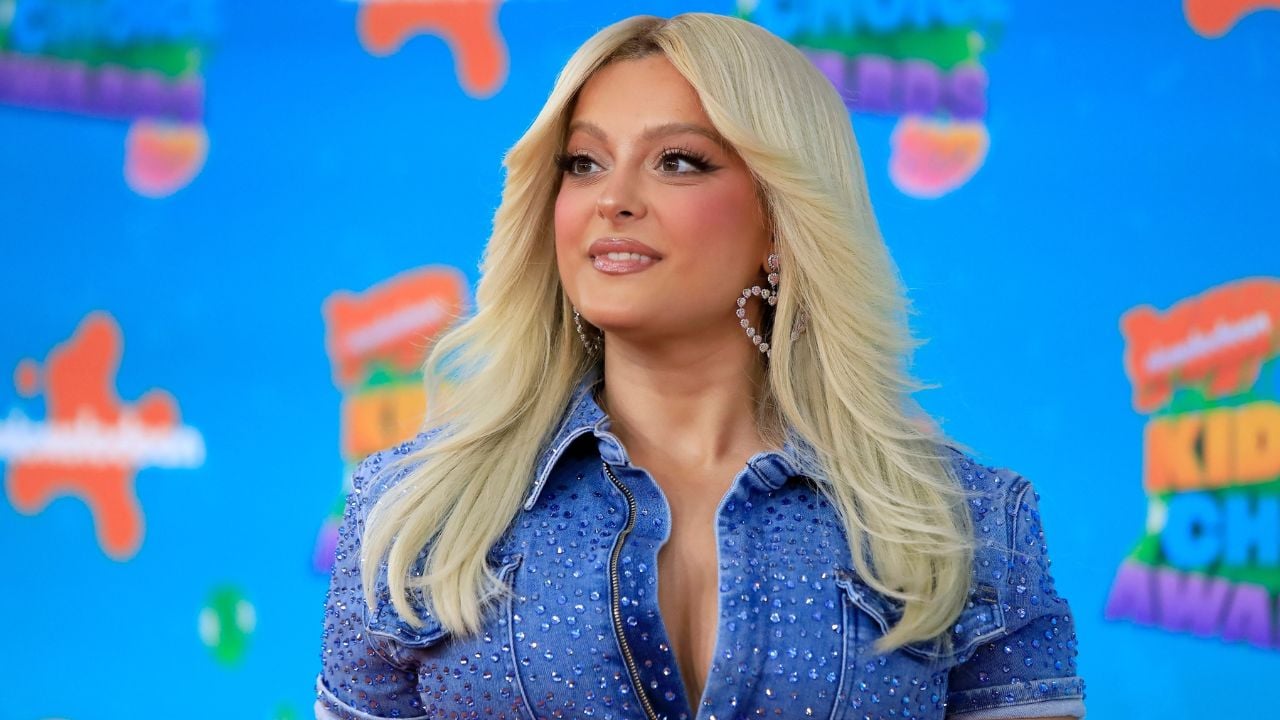
Bebe Rexha released Dirty Blonde as her first full album since becoming an independent artist, and she is not treating the project like a normal pop rollout.
The Grammy-nominated singer released her fourth album on Friday, June 12, after parting ways with her longtime label in 2025. In a new interview with People, Rexha said the album helped her reclaim her voice after years of feeling creatively limited.
Rexha told the outlet that she had felt numb after not having control for so long. Making Dirty Blonde, she said, pushed her back toward the emotions she had been avoiding.
The 13-track visual album brings her back toward dance-pop while leaving room for the genre switches that have followed her whole career. For Rexha, the release also marks a clean break from the major-label system that shaped much of her public life as a pop artist.
Dirty Blonde Is Her First Full Independent Album
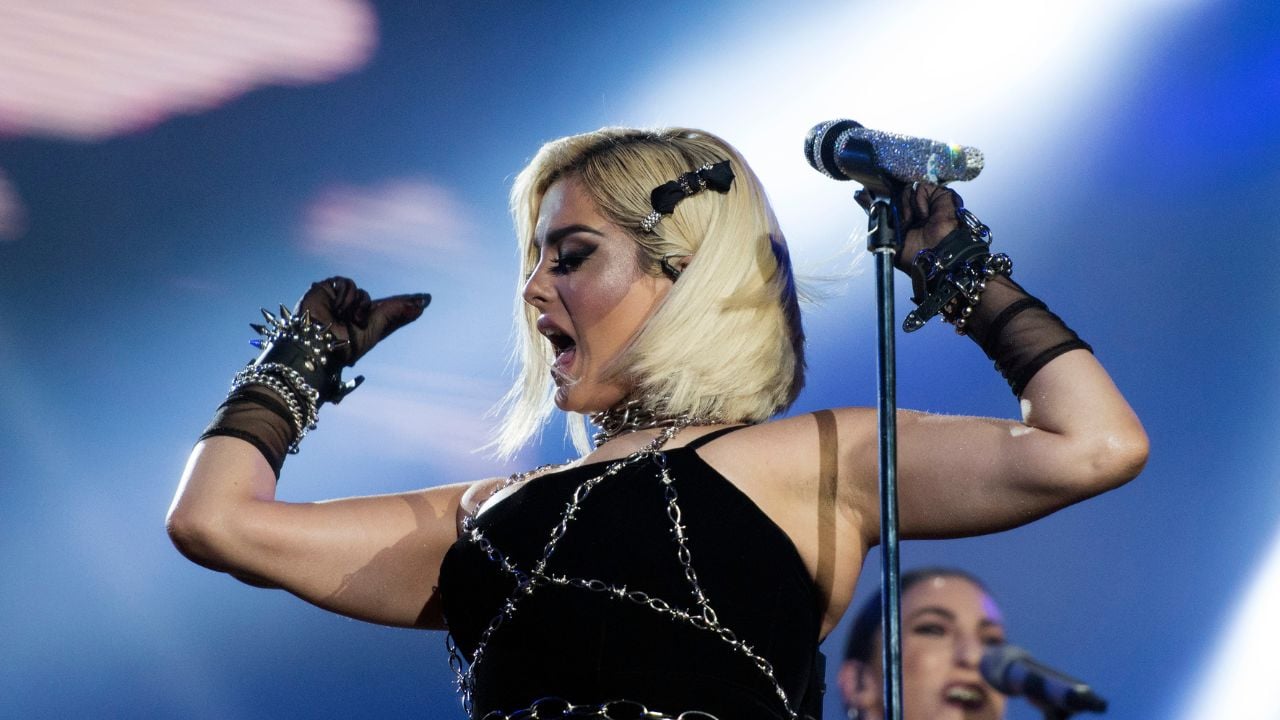
Rexha partnered with EMPIRE for Dirty Blonde, giving her more control over the album, visuals, and release plan. People previously reported that she framed the project as a move away from trying to be a “perfect, clean-girl pop star.”
She also said the new era allowed her to stop smoothing out the parts of herself that felt messier or harder to package. The album title comes from the hair color that made her feel most like herself, and the project uses that image as a way into songs about confidence, frustration, heartbreak, and self-trust.
She Is Not Trying to Pick One Genre
Rexha’s career has never stayed in one lane. She co-wrote Eminem and Rihanna’s “The Monster,” crossed into country-pop with Florida Georgia Line on “Meant to Be,” worked with G-Eazy on “Me, Myself & I,” and reached dance audiences again with David Guetta on “I’m Good (Blue).”
People reported that Rexha once felt insecure about having so many different sounds in her catalog. With Dirty Blonde, she is leaning into that range instead of trying to explain it away.
The album includes dance tracks, emotional writing, and songs that pull from different corners of her background. Rexha has already introduced the era with “New Religion,” “Çike Çike,” “Hysteria,” and “I Like You Better Than Me.”
New Religion Brought Faithless Into the Era
“New Religion,” Rexha’s collaboration with Faithless, became one of the first major pieces of the Dirty Blonde rollout. People reported that the song uses elements of Faithless’ “Insomnia,” a sample Rexha said she had tried to clear for years.
Rexha also said fans helped shape the single. People reported that listeners pushed for a bridge that became one of the track’s standout parts, and Rexha credited them for knowing what worked.
The Album Was Built as a Visual Project
Dirty Blonde is being released as a visual album, with 13 tracks tied to music videos. Rexha previewed the project earlier this year with The Super Dirty Cut, a teaser that introduced the album’s club scenes, emotional moments, and bolder styling.
People reported that the visual rollout included scenes of Rexha pole dancing, DJing in a nightclub, sitting in therapy, and looking at herself in a mirror. The images matched the way she described the music: less polished, more direct, and less concerned with fitting the version of pop stardom expected from her earlier career.
Rexha Spoke About Body Image and Mental Health
Rexha also used the People interview to talk about insecurities, body image, and mental health. She has spoken publicly for years about the pressure placed on her appearance, and Dirty Blonde keeps that honesty close to the music rather than hiding it behind a glossy rollout.
She also addressed age pressure in pop, telling People that releasing the album at 36 made the project feel even more personal. Rexha said she is proud she did not give up after label frustration, public scrutiny, and the uncertainty that came with starting over independently.