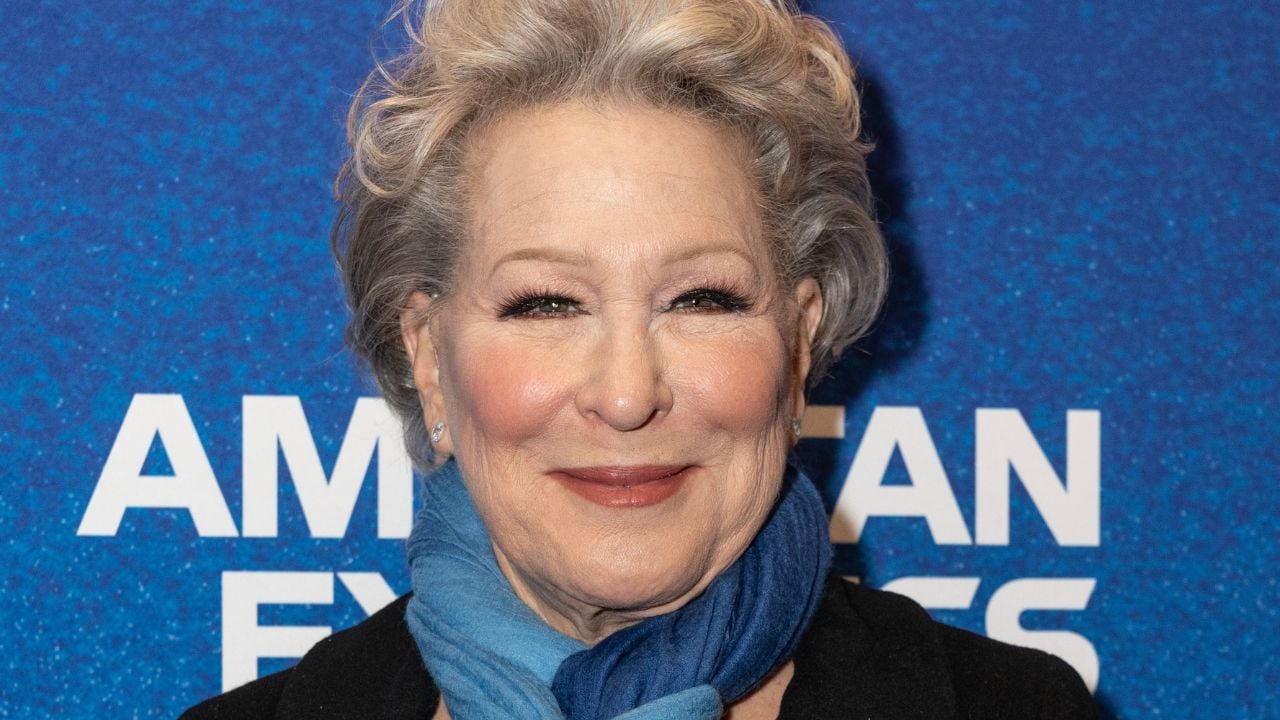
Bette Midler and Tyrese Gibson have landed on opposite sides of the growing fight over AI-generated music after a viral R&B song sparked a pointed exchange on Instagram.
Midler took aim at IngaRose’s “Celebrate Me” in an Instagram post on August 21. Although she acknowledged that she thought the track was good, she argued that AI-generated music draws from the creative work and vocal styles of human artists without compensating them, ending her post with “#culturalgenocide.”
Gibson pushed back directly in the comments. The Fast & Furious actor and Grammy-nominated singer wrote that “AI isn’t going anywhere,” said the song had inspired him personally and challenged human songwriters and singers to create something better.
The dispute centers on a song that was already a major AI-music success months before Midler weighed in. “Celebrate Me,” which was created with the AI music platform Suno, reached No. 1 on the U.S. iTunes download chart as well as the iTunes charts in the United Kingdom, France, Canada and New Zealand in April, according to Forbes.
Tyrese Says the AI Song Gave Listeners Something They Needed
View this post on Instagram
Gibson’s defense focused less on the technology behind the record than on its emotional effect. He pointed to people dealing with depression, divorce and discouragement and said “Celebrate Me” had managed to inspire even him.
Gibson challenged human creators to compete with AI. He asked what human writer and singer would produce something better, told critics to “step” up and closed his comment by writing, “The world needs HOPE.”
Midler did not publicly respond to Gibson in the exchange reported by Entertainment Weekly. Several other artists, however, sided with her concerns. Natasha Bedingfield said the vocal performance reminded her of Olivia Dean, while India Arie and Amy Sedaris also reacted negatively to the use of AI.
IngaRose Says the Lyrics Behind the AI Voice Are Human-Written
The IngaRose project complicates the idea that “Celebrate Me” was made entirely by a machine. Its official profile says the project uses “Human written lyrics” and “Real stories,” while stems and arrangements are refined using Suno. The project’s Spotify biography similarly identifies Ingrid as a human songwriter who uses Suno as a creative tool to turn her original material into finished songs.
IngaRose is presented through a synthetic female persona, and the project openly discloses the use of AI in its production process. What remains unclear publicly is the exact division of work between the human creator and Suno on each individual recording.
Listeners have responded regardless. Entertainment Weekly reported that IngaRose had more than 1.1 million monthly Spotify listeners and that “Celebrate Me” had surpassed 23 million streams on the platform. The official YouTube upload has also attracted millions of views.
Midler’s Criticism Lands in the Middle of a Larger Copyright Fight
Midler’s accusation that generative AI benefits from artists’ existing work comes as courts continue to wrestle with how AI music systems were trained and what compensation, if any, copyright holders are owed.
The legal fight surrounding Suno is nevertheless active. Independent publisher Round Hill Music filed a federal lawsuit against Suno in August alleging that copyrighted lyrics from more than 500 songs were used without authorization to train its music-generation system, Reuters reported. Round Hill made similar allegations in a separate case against Anthropic.
Suno has also faced other copyright disputes as the music industry debates whether generative-AI companies can train models on protected work without obtaining permission from the people and companies that own it.