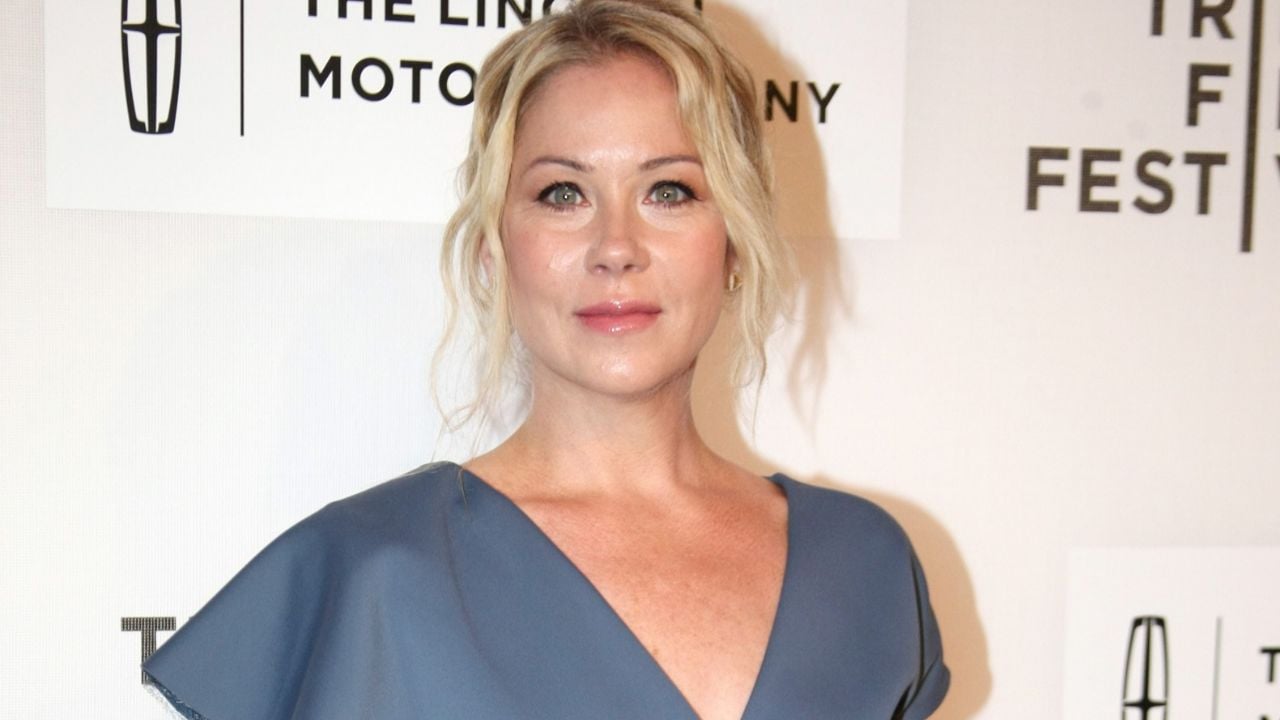
Christina Applegate says doctors have told her she does not have multiple sclerosis, reversing the diagnosis she publicly announced in 2021.
The 54-year-old Dead to Me actress shared the news on the October 20 episode of MeSsy, returning to the podcast she hosts with Jamie-Lynn Sigler after seven months away.
The pair released two installments, with Applegate discussing her medical reassessment before neurologist Dr. Marwa Kaisey joined them for a separate conversation about incorrect MS diagnoses.
Applegate said her doctors would investigate what has been causing her health problems. She has not announced another confirmed diagnosis.
Why Her Doctor’s Congratulations Brought No Relief
Applegate recalled her doctor entering the room and telling her, “Congratulations, you don’t have MS.” While others welcomed the news, she was “not happy at all,” she told Sigler, according to PEOPLE.
“I haven’t gotten better, Jamie! If anything, I’ve gotten worse,” Applegate said. She described needing a wheelchair for medical appointments because she cannot walk from the car to the examination room.
She also spoke about depression and the loss of her acting work as her health deteriorated. Applegate said she attends physical therapy three times a week.
Applegate also struggled with the idea that she had disappointed the MS community after becoming one of its most recognizable public voices. Sigler, who has lived with MS for more than two decades, reassured her that the help she had given others retained its value, according to Entertainment Weekly.
Sigler discussed how a diagnosis can give someone a framework for understanding their illness and deciding what comes next. For Applegate, that sense of direction had been an important part of living with her symptoms.
What Led Doctors to Revisit Her Diagnosis
Applegate recalled undergoing MRIs and a spinal tap during her original evaluation. She said scans had shown lesions on her brain, findings she remembered as part of the assessment that led to the initial diagnosis. She has previously described numbness, balance problems and tingling sensations among her health difficulties.
According to CBS News, Applegate said unchanged B-cell counts after doctors stopped her infusion treatment prompted a review of her diagnosis. Applegate also described an appointment involving newer medical technology.
She Discussed Her Health in a Memoir and a March Interview
Her health problems had interrupted production on the final season of Dead to Me. Applegate returned to finish the series with accommodations for her physical limitations.
In an interview with Robin Roberts that aired on Good Morning America on March 3, Applegate discussed living with an MS diagnosis. She said she had struggled to accept the diagnosis and regularly spoke with friends living with the disease.
The appearance coincided with the release of her memoir, You With the Sad Eyes. Drawing on journals she had kept for years, the book explored her childhood, early fame and difficult relationships. Applegate told Roberts she wanted readers who had endured painful experiences to feel less alone.
She also spoke about the possibility of acting again, joking that an accommodating schedule and fewer demands involving hair and makeup would help. Applegate described her daughter, Sadie, as a source of motivation through difficult days.
A Neurologist Explains Why MS Can Be Misdiagnosed
Kaisey, an associate professor of neurology at Cedars-Sinai, explained that there is no single test that settles every MS diagnosis.
Guidance from the VA’s Multiple Sclerosis Centers of Excellence describes an assessment involving medical history, a physical examination and MRI scans, sometimes supported by spinal-fluid or other tests. Because brain scans can show spots in people without MS, clinicians interpret imaging alongside symptoms and consider other possible causes.
A 2019 study coauthored by Kaisey examined 241 patients referred to Cedars-Sinai and UCLA with an existing MS diagnosis. The published research found that 17 percent of those patients at Cedars-Sinai and 19 percent at UCLA had been misdiagnosed.