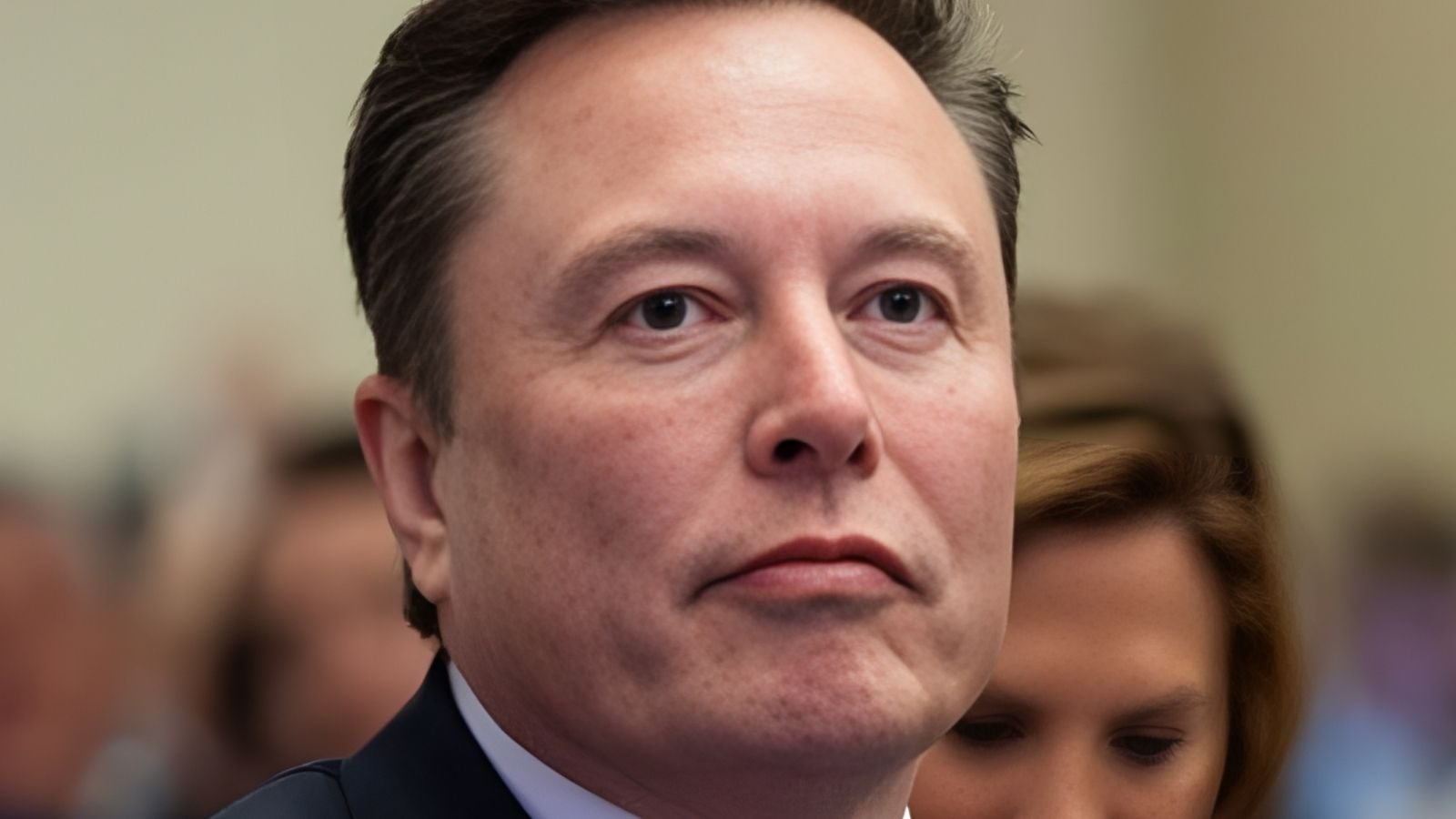
Elon Musk is once again stirring global debate, this time over a crisis that’s not making daily headlines but could reshape the future of entire societies.
In response to a post by Brian Winter, Musk reacted bluntly to new data showing that Latin America is aging faster than any region in the world. His response was short, but it hit hard.
“This collective suicide of humanity needs to turn around!”
That single line has now triggered a wave of reactions, with people arguing over what’s really behind falling birth rates and who, if anyone, is to blame.
Latin America’s Birth Rate Is Dropping Fast
The concern started with a striking observation.
Latin America, once known for high population growth, is now experiencing one of the fastest fertility declines globally. Countries across the region are seeing fewer births year after year, with some falling below replacement levels.
One example stands out. Chile’s birth rate is now reportedly lower than that of Japan, a country long associated with aging populations and declining births.
That shift signals something deeper; it is not a slow trend anymore. It’s a rapid demographic change.
This collective suicide of humanity needs to turn around! https://t.co/dUigYCpSXW
— Elon Musk (@elonmusk) April 21, 2026
Why This Matters More Than People Think
Falling birth rates don’t just affect population numbers. They reshape economies, labor markets, and entire social systems.
Fewer births today mean:
- Smaller workforces in the future
- Increased pressure on social services
- Aging populations with fewer young people to support them
Over time, this can lead to slower economic growth and major structural challenges. And that’s the backdrop behind Musk’s warning. He’s not just talking about fewer babies. He’s talking about long-term survival.
The Internet Pushes Back
As expected, Musk’s statement didn’t go unchallenged.
Some critics pointed out what they see as a contradiction in his views. One commenter argued that Musk warns about AI eliminating jobs and making humans purposeless, yet also calls for higher birth rates, questioning what kind of future those children would be born into.
Others took a more practical angle. Several responses focused on affordability, saying people are not choosing to avoid children out of preference, but out of necessity. Rising costs of housing, childcare, food, and energy have made starting a family increasingly difficult for many.
One comment summed it up clearly. People are planning ahead, and they simply can’t afford it.
Supporters Say Musk Has a Point
Not everyone disagreed. Some users backed Musk’s argument, saying declining birth rates are already creating visible problems in countries like Brazil, Japan, and across Europe. They pointed to shrinking communities, labor shortages, and economic pressure as signs that the issue is already here, not something decades away.
One response framed it as a policy failure. If governments want higher birth rates, they need to make it easier for people to build families, not harder.
That means:
- Affordable housing
- Accessible childcare
- Stable economic conditions
Without those, the trend is unlikely to reverse.
The Debate Takes Unexpected Turns
Some reactions went in completely different directions.
One commenter suggested that cultural factors, including online behavior and modern dating patterns, could be part of the problem. They even proposed changes to platforms like X, arguing that if people are serious about increasing birth rates, the conversation should include how people connect and form relationships in the first place.
It’s a reminder that this issue doesn’t sit in one category.
It’s economic.
It’s cultural.
It’s personal.
A Bigger Question About the Future
Musk’s warning has once again pushed a long-term issue into the spotlight. Birth rates are falling across multiple regions, not just Latin America. The reasons vary, but the trend is consistent.
The real debate now is not just about whether birth rates should increase. It’s about how.
Do you fix the economy first?
Do you change culture?
Or is this simply the direction modern societies are heading?
Musk calls it a “collective suicide.”
Do you think he’s right, or is the real problem something deeper than people just choosing to have fewer children?