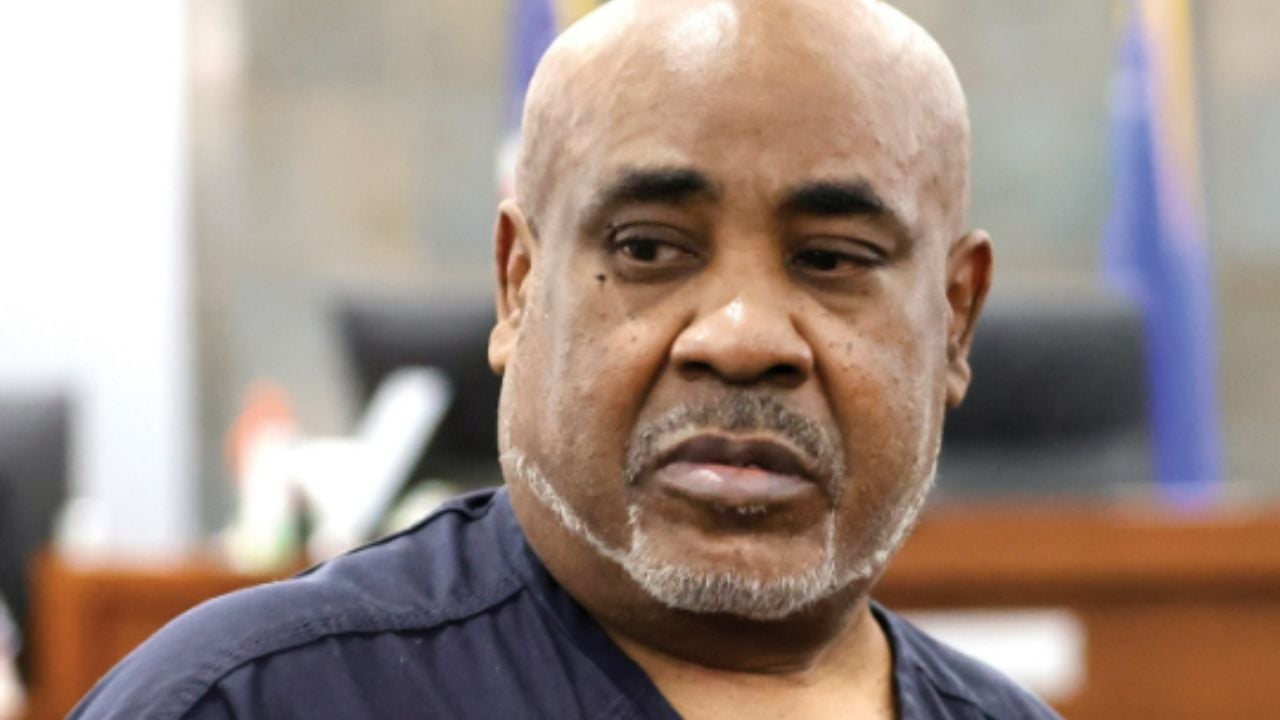
Duane “Keffe D” Davis was convicted of first degree murder in Tupac Shakur’s 1996 killing on August 31. In his first jailhouse interview since the verdict, he gave an account of that night that removes him from the white Cadillac prosecutors said carried Shakur’s killers.
Davis, 63, told The Hollywood Reporter that after attending the Mike Tyson fight at the MGM Grand, he went to a bar near UCLA in Los Angeles with his roommate. He said he later went home and ate breakfast with his children.
The new account arrived days after a Clark County jury found Davis guilty of first degree murder with a deadly weapon. Reuters reported that jurors deliberated for nearly three hours after an 11 day trial. Davis is scheduled to be sentenced October 13 and faces a maximum sentence of life in prison without parole.
His latest version is difficult to separate from the stories he told before his arrest. Prosecutors played hours of recordings in which Davis described being in the Cadillac, helping obtain the gun and passing it toward the back seat. His defense argued that those accounts were exaggerated, unreliable or told for money rather than truthful admissions.
Davis Says He Went to Los Angeles After the Tyson Fight
Прикажи ову објаву у апликацији Instagram
Davis told The Hollywood Reporter that he was not at the scene when Shakur was shot near the Las Vegas Strip on September 7, 1996. His account now has him leaving the city after the boxing match and heading to a bar near UCLA with his roommate before later returning home.
He showed no retreat from that position after the verdict. “I’m innocent, man. They got an innocent man sitting in jail,” Davis said. He also said he expects to get out through an appeal. TMZ subsequently highlighted both the innocence claim and his new Los Angeles account.
That version conflicts with statements jurors heard throughout the trial. In earlier recorded accounts, Davis placed himself in the front passenger seat of the Cadillac when it pulled alongside the BMW carrying Shakur and Death Row Records co-founder Marion “Suge” Knight.
Jurors Heard Davis Put Himself in the Cadillac
Prosecutors did not argue that Davis fired the shots. Their case was that he helped organize a retaliatory attack after Shakur and members of his entourage beat Davis’ nephew, Orlando Anderson, inside the MGM Grand earlier that night. Prosecutors said Davis acquired the gun and passed it toward the Cadillac’s back seat as the group searched for Shakur and Knight.
Recordings from law enforcement interviews and media appearances, along with Davis’ 2019 memoir Compton Street Legend, became central evidence. In those earlier accounts, Davis described riding with three other men, finding Shakur’s BMW and being present when someone in the back seat opened fire.
The defense attacked those statements rather than trying to defend them as accurate. Attorney Michael Sanft argued that Davis embellished stories about the killing and that prosecutors could not independently verify enough of what he had said. That argument gained some support when former Las Vegas homicide detective Dan Long testified that he had believed Davis’ account during an earlier investigation but had not been able to corroborate it.
The Proffer Fight Could Return on Appeal
Davis says his appeal will focus in part on protections attached to information he gave federal investigators years before Nevada charged him. In the new interview, he claimed federal authorities had promised that what he told them would not later be used against him.
He has already fought over that issue in court. In November 2025, the Nevada Supreme Court denied a pretrial petition seeking dismissal of the case. The court said Davis had not shown that protections from a federal proffer agreement extended to later law enforcement interviews or that the State of Nevada was bound by the agreement. The justices also noted that a direct appeal would remain available if he were convicted.
Judge Carli Kierny made a separate evidentiary ruling before trial. She allowed prosecutors to use Davis’ memoir and earlier law enforcement statements, finding that he had adopted the book’s account as his own and that his statements to investigators were voluntary. Davis can still raise appropriate challenges to evidentiary rulings and other issues through the postconviction appellate process.
Sentencing Is Set for October 13
Davis became the first person convicted in Shakur’s killing nearly 30 years after the rapper was shot while riding with Knight in Las Vegas. Shakur was 25 when he died six days after the shooting.
After the verdict, Davis told Judge Kierny that he planned to appeal. His latest interview now gives that challenge a public version of events starkly different from the one prosecutors played for jurors. He remains in custody ahead of his October 13 sentencing, where he faces a maximum sentence of life in prison without parole.