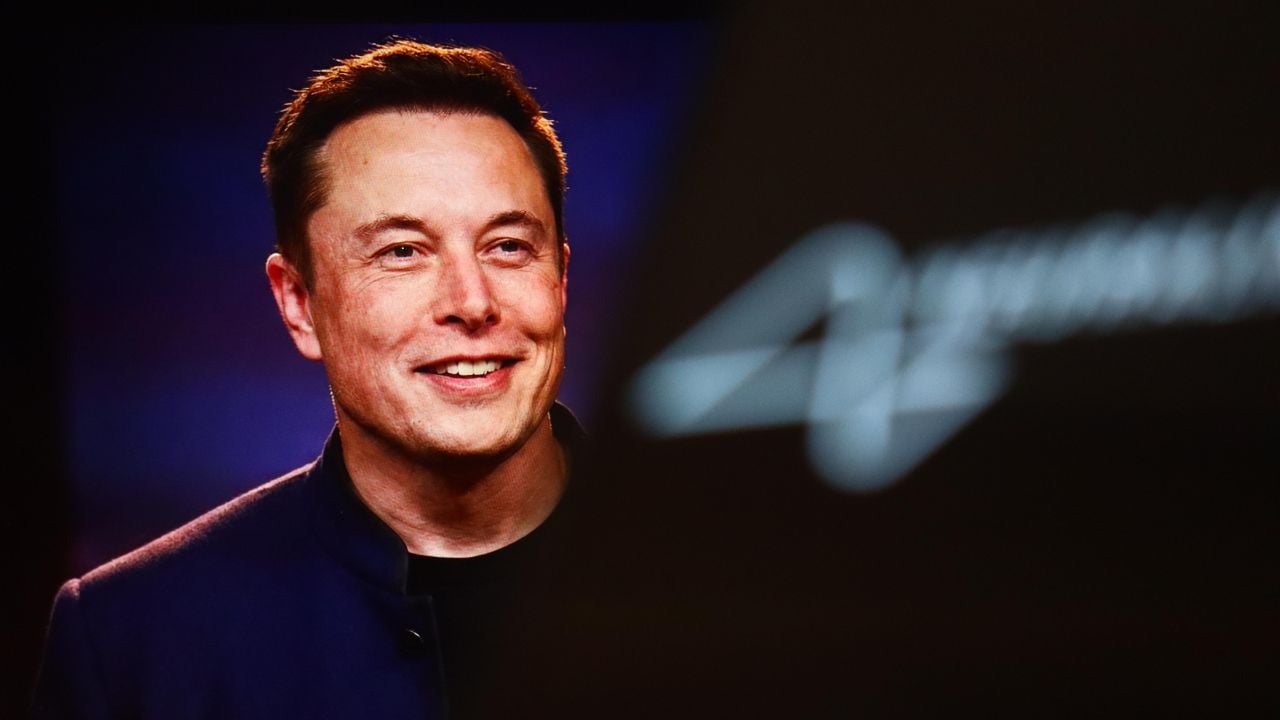
Elon Musk became the first person with an estimated fortune above $1 trillion after SpaceX began trading publicly on Nasdaq.
The company’s stock debuted under the ticker SPCX after a record IPO that raised $75 billion at $135 per share. Reuters reported that SpaceX closed its first trading day at $160.95, up 19.2% from the IPO price, giving the rocket and satellite company a market value of about $2.1 trillion.
The jump pushed Musk’s estimated net worth past $1 trillion because of the size of his SpaceX stake. Business Insider reported that Musk owned about 39% of SpaceX’s outstanding shares at the time of the IPO and needed the stock to trade above roughly $140.71 for his net worth estimate to cross the trillion-dollar mark.
The number is tied to share prices, not cash in a bank account. If SpaceX or Tesla shares fall, Musk’s estimated net worth can fall with them.
SpaceX Closed Its First Trading Day Above $2 Trillion
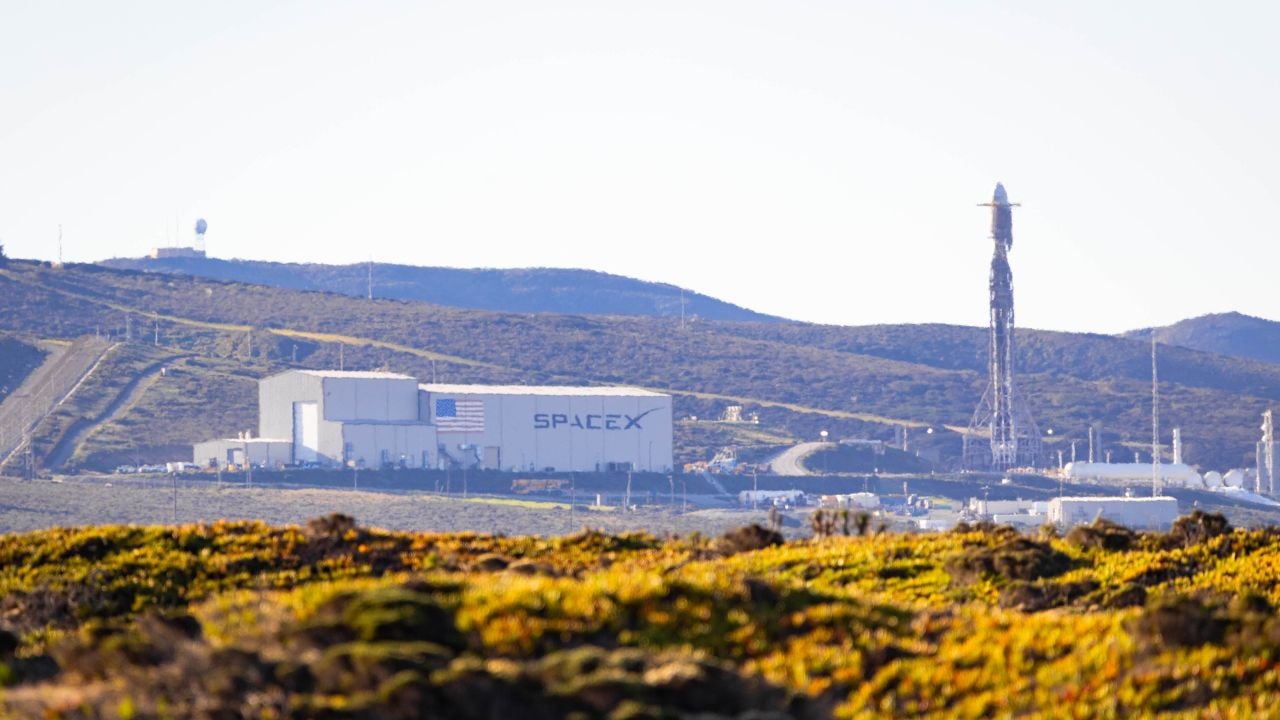
SpaceX sold shares at $135 in the offering, then opened trading at $150 before rising during the session. Reuters reported that the stock’s $160.95 close put SpaceX ahead of Broadcom by market value, with Amazon still larger at about $2.6 trillion.
The IPO was already the largest public listing in Wall Street history before the stock began trading. Reuters reported earlier this month that SpaceX planned to raise $75 billion through the offering, and the first trading day gave investors their first chance to buy the company directly on the public market.
The IPO Math Changed Musk’s Wealth Ranking
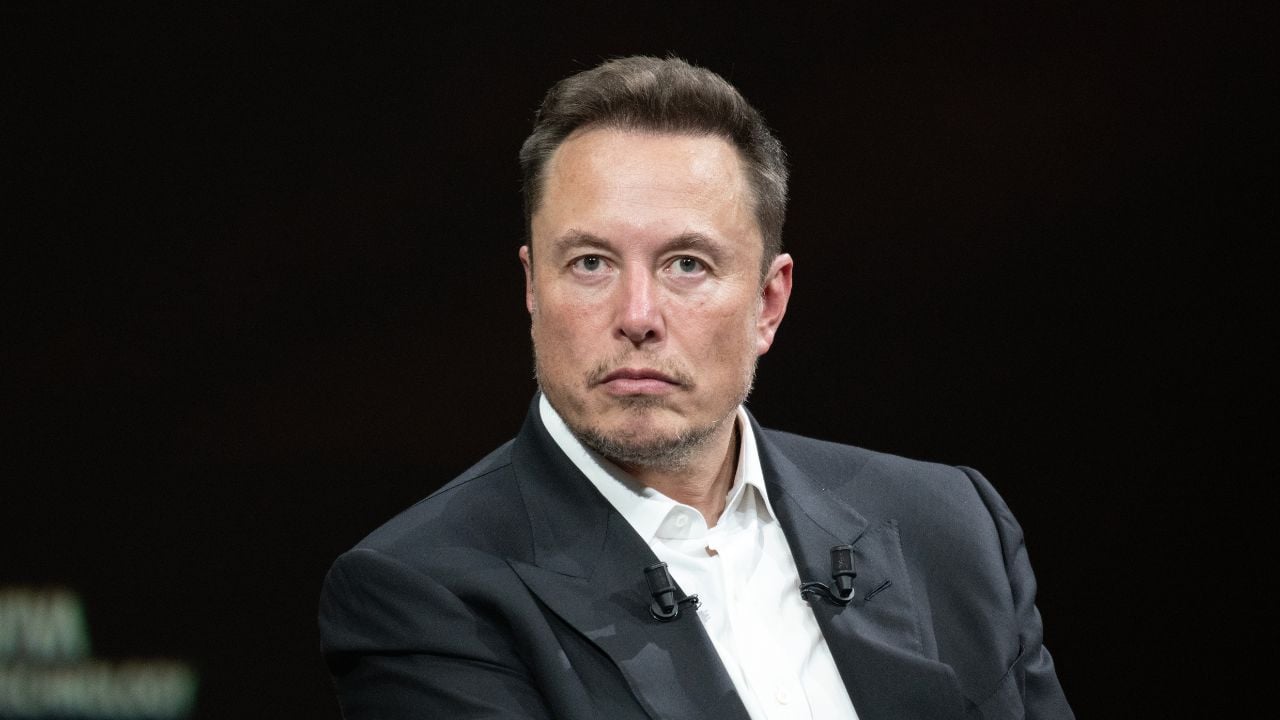
Business Insider reported that Musk’s SpaceX stake was worth about $688 billion at the $135 IPO price, bringing his total net worth near $971 billion based on Bloomberg estimates cited by the outlet. Once the stock opened at $150 and later closed at $160.95, that estimate moved above $1 trillion.
The milestone comes from Musk’s ownership in SpaceX, Tesla, and other companies, so the figure can move quickly. Public wealth rankings calculate fortunes from stock prices, ownership stakes, options, and private-company valuations, which means a market selloff could pull the number back below $1 trillion.
Investors Are Paying for More Than Rockets
SpaceX built its business on launches, reusable rockets, NASA contracts, Starlink satellite internet, and Starship development. The public-market valuation also reflects investor expectations for satellite communications, defense work, space infrastructure, artificial intelligence, and long-term projects tied to Mars and orbital data centers.
Business Insider reported that SpaceX’s S-1 filing showed $18.7 billion in 2025 revenue and a $4.9 billion loss. Analysts quoted by the outlet warned that the valuation depends heavily on future growth rather than current earnings.
The IPO gives investors direct exposure to a company that had remained private for more than two decades. It also gives Musk another public market tied closely to his personal brand, after years in which Tesla served as the main listed stock for investors betting on him.
The Debut Created New Winners Beyond Musk
Business Insider reported that early SpaceX backers and executives also saw major paper gains from the IPO. The outlet said Antonio Gracias, an early SpaceX investor and longtime Musk ally, was one of the biggest winners after Musk, while SpaceX president Gwynne Shotwell’s stake was worth nearly $2 billion at the offering price.
The IPO also opened SpaceX to a much wider group of investors. Reuters reported that the stock’s first day was smoother than many observers expected, with trading beginning late Friday morning and closing far above the IPO price.
SpaceX Now Has to Trade Like a Public Company
The first-day surge gave SpaceX a huge market value, but public trading also brings daily pressure. Investors will now be able to react to launch delays, Starship tests, Starlink growth, government contracts, spending plans, losses, Musk’s other companies, and broader market swings in real time.