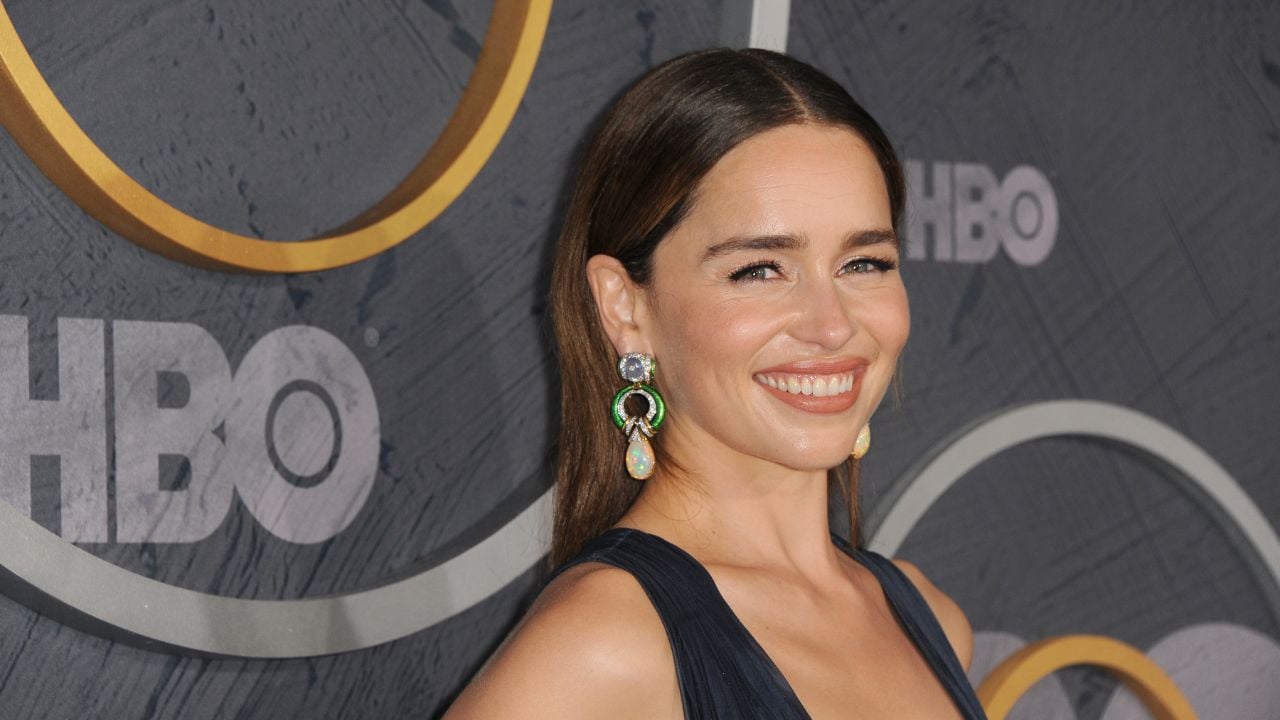
Emilia Clarke is using one of the most difficult chapters of her life to push a broader conversation about what happens after a person survives a brain injury.
The Game of Thrones star was honored at Variety’s Power of Women event in London, where she reflected on surviving two brain hemorrhages during the years she was playing Daenerys Targaryen. Clarke has spoken before about the fear, isolation, and survivor’s guilt that followed those medical emergencies, but her latest message focused on what comes after survival.
For Clarke, making it through a life-threatening event is not the end of the story. Recovery can be long, lonely, and far less visible than the emergency itself.
Clarke Said Recovery Matters as Much as Survival
According to Variety, Clarke reflected on her brain hemorrhages while being honored at Power of Women and emphasized that recovery is as important as survival.
That message connects directly to the work she has done through SameYou, the brain injury recovery charity she co-founded with her mother, Jenny Clarke, in 2019. The organization focuses on improving recovery support for people living with brain injury and stroke.
Clarke’s public advocacy has been shaped by her own experience. She survived the medical crises, returned to one of the most watched television shows in the world, and later used her platform to explain that the period after hospital treatment can be frightening in its own way.
Her First Hemorrhage Happened After Game of Thrones Season 1
Clarke suffered her first brain hemorrhage shortly after filming the first season of Game of Thrones. She has said she collapsed during a workout at a London gym and knew immediately that something was seriously wrong.
In a recent interview on How To Fail with Elizabeth Day, Clarke described the pain as sudden and intense, comparing it to an elastic band snapping around her brain. She was 24 at the time and had just stepped into the role that would change her career.
People reported that Clarke was initially worried about how the injury might affect her work and whether the people who had hired her would see her as weak or breakable. She kept the experience largely private, telling only the showrunners while she focused on returning to the series.
The Second Hemorrhage Left a Deeper Emotional Mark
Clarke later suffered a second aneurysm while living in New York and performing in a Broadway play. Doctors had been monitoring it after discovering it during treatment for the first hemorrhage.
People reported that surgery to repair the second aneurysm went wrong, forcing emergency brain surgery. Clarke has said doctors told her parents they thought she might die.
The second experience affected her differently. Clarke said she shut down emotionally, became hypersensitive, and felt disconnected from the outside world because her body and brain had failed her in ways other people could not see.
She also said she became consumed by fear whenever she had a headache, worrying another hemorrhage was happening.
Work Helped Her Survive, but It Did Not Replace Recovery
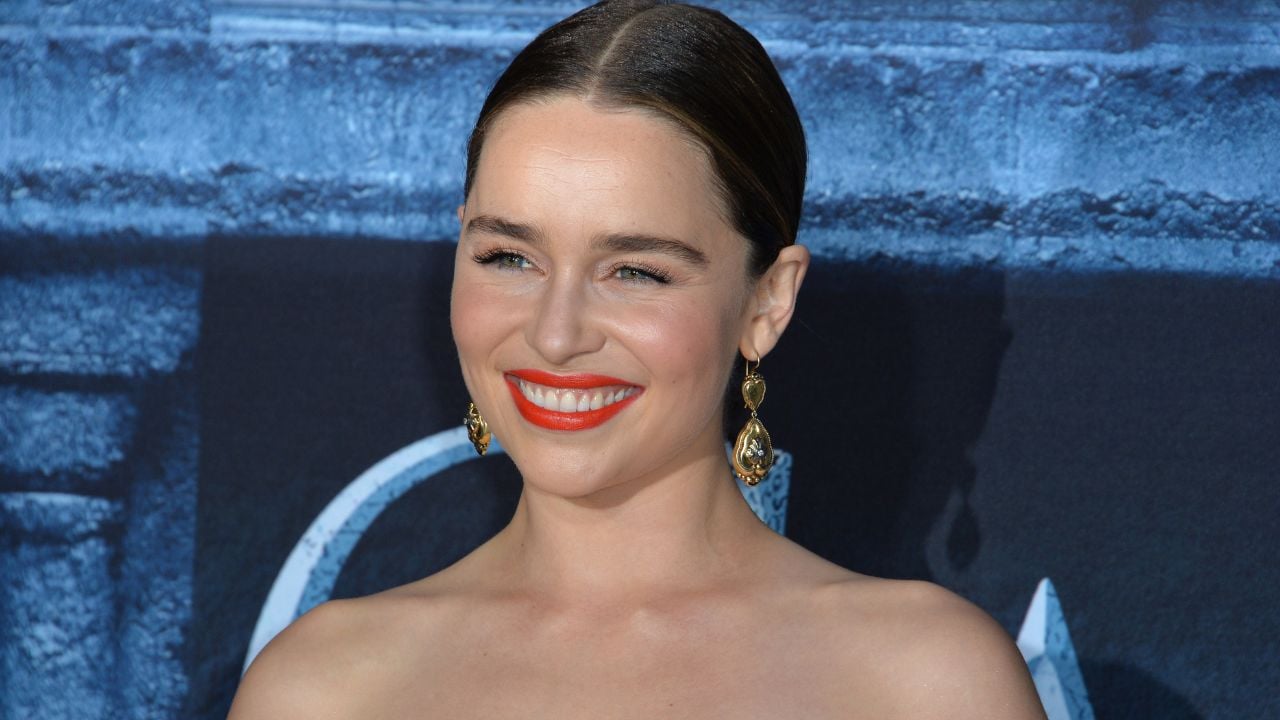
Clarke has credited work with helping her keep going. Returning to Game of Thrones gave her structure, purpose, and a reason to push through fear while the show was becoming a worldwide phenomenon.
That did not mean she had fully processed what happened. Clarke has said she did not give herself enough grace during recovery and once treated the injury as a personal failure.
That detail is part of why her current advocacy feels so personal. SameYou’s mission is built around the idea that survivors need support after hospital care, when the outside world may assume the crisis is over but the person is still rebuilding physically, emotionally, and socially.
SameYou Turns Clarke’s Experience Into Public Support
SameYou describes itself as a brain injury recovery charity that works to develop better mental health recovery treatment for survivors, raises awareness, and advocates for improved rehabilitation provision.
The charity says brain injury recovery services remain limited in many places after emergency care ends. SameYou also offers recovery resources, survivor stories, peer support, and programs meant to connect people with guidance after they leave hospital care.
That work gives Clarke’s Power of Women message a practical foundation. She is not only retelling a celebrity health story. She is pointing toward the care gap that many survivors face after the life-saving part of treatment is over.
The loneliness she has described is central to that mission. Clarke previously told People that one of the strongest feelings after brain injury was being profoundly alone, and that SameYou exists partly to help others avoid that isolation.
Her Story Changes How Fans Remember Game of Thrones
Clarke played Daenerys from 2011 to 2019, becoming one of the most recognizable faces on television while privately managing fear about her health.
Audiences saw dragons, power struggles, speeches, battles, and one of HBO’s biggest pop-culture phenomena. Clarke was also recovering from medical trauma, worrying about brain damage, and trying to prove she could keep doing the job she had just won.
That does not turn her work on the series into a simple survival symbol. It makes the achievement more human. Clarke was carrying a public role and a private crisis at the same time.
Her Latest Message Is About the Aftermath
Celebrity health stories often focus on the emergency: the collapse, the surgery, the diagnosis, the life-or-death moment. Clarke is shifting attention to the period after that.
SameYou’s own materials describe brain injury as something that affects the whole person, not only the brain. The charity’s work is aimed at helping survivors understand that they have not lost who they were before.
That is the clearest thread in Clarke’s latest comments. Surviving mattered. Being seen, supported, and treated seriously after survival matters too.