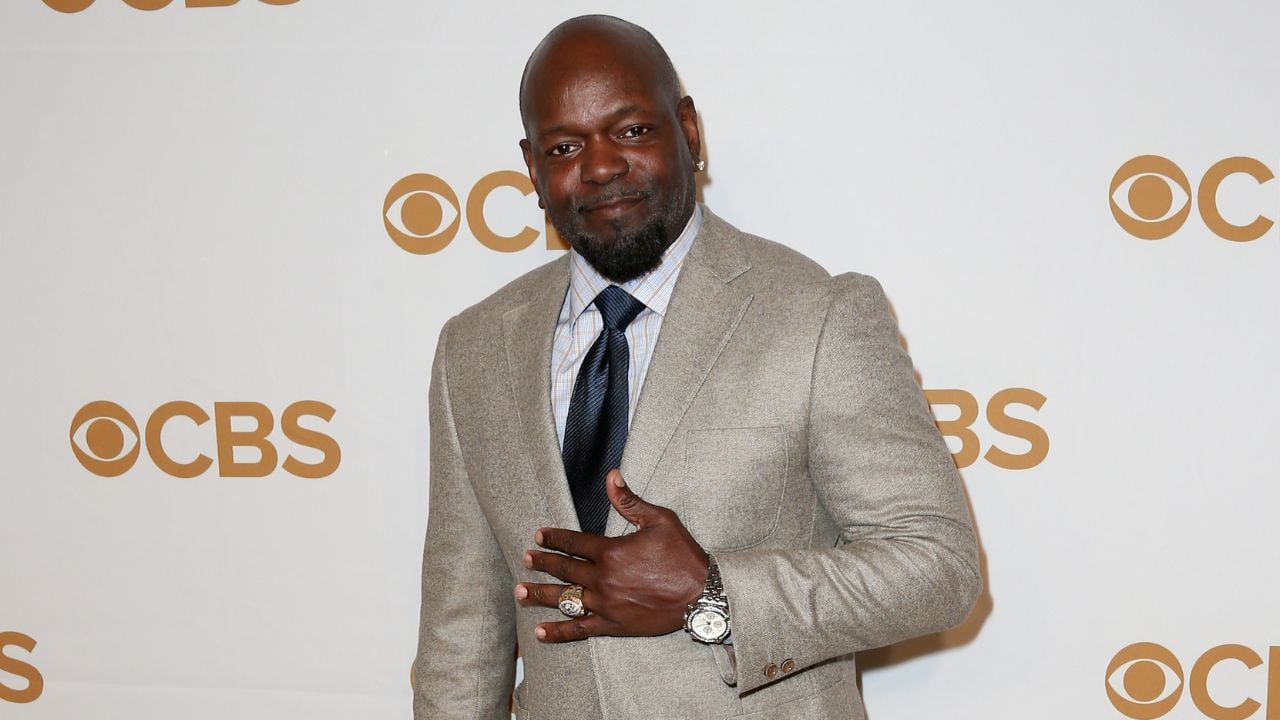
Pro Football Hall of Famer Emmitt Smith and several business partners are facing a civil fraud lawsuit over a $2.5 million loan that was supposed to help a joint venture acquire an interest in a planned Texas solar development.
Kituwah Energy Project #2 LLC, an affiliate of Kituwah LLC, the economic development arm of the Eastern Band of Cherokee Indians, filed the lawsuit Aug. 31 in Delaware’s Court of Chancery. It accuses Smith, longtime business partner David Mosley and others of inducing the company to participate in a renewable energy venture known as Project Exodus.
The proposed project was presented as a major solar development expected to begin operating by the end of 2024 and generate nearly $13.8 million in first-year net income. Kituwah says it ultimately provided a $2.5 million loan to the parties’ newly created joint venture after being told the money would help acquire rights and ownership interests connected to the project.
The lawsuit alleges the money instead went to another business that had previously financed ventures involving Smith and Mosley’s company. The loan matured Feb. 1, 2024, and Kituwah says none of the principal has been repaid. The allegations have not been proven in court, and NBC 5 DFW reported that the defendants had not responded to its requests for comment.
Project Exodus Was Projected to Generate Nearly $13.8 Million in Its First Year
Smith and Mosley co-founded Dallas-based 4 13 Solutions Inc., a real estate and renewable energy company. According to the complaint, they approached Kituwah in early 2023 about participating in Project Exodus, a proposed solar development in Caldwell County, Texas.
A project summary described Exodus as 4 13 Solutions’ flagship project and projected nearly $13.8 million in net income during its first year of operation. Kituwah says it was also given information about the project’s financing prospects, interest from other potential investors and plans to have the development operating by the end of 2024.
The complaint alleges that some of those representations about financing, investor interest, project progress and expected performance were false or misleading and helped create pressure for Kituwah to commit money. During the negotiations, Smith allegedly described a bridge loan from Kituwah as “crucial to our success and our brand.”
Kituwah Loaned the New Joint Venture $2.5 Million at 12% Interest
Kituwah, 4 13 Solutions and Wilson Holdings of North America LLC ultimately formed Jabez 4 10 LLC to pursue interests connected to Project Exodus. Kituwah held the largest ownership position in the new venture, while Smith and Mosley allegedly served as managers.
In September 2023, Kituwah loaned Jabez $2.5 million through a secured promissory note carrying 12% annual interest. The loan was scheduled to mature Feb. 1, 2024. According to the lawsuit, Kituwah understood that its money would be used to acquire rights and ownership interests in Project Exodus held by Genesis Consolidated Industries, or GCI.
After the transfer, 4 13 Solutions allegedly represented that the entire $2.5 million had been paid to GCI. Kituwah says it repeatedly requested documents confirming that payment and showing that the promised project interests had been transferred to Jabez but did not receive them.
The Lawsuit Says the $2.5 Million Actually Went to Wilson Holdings
Kituwah says its later investigation produced a different explanation for where the money went. The complaint alleges that the $2.5 million was paid to Wilson Holdings, a company controlled by defendant Darrel Wilson that had previously supplied financing to 4 13 Solutions.
The parties had a separate agreement under which Wilson Holdings could receive $2.5 million, but Kituwah says that payment was conditioned on Jabez first obtaining permanent financing for Project Exodus. The lawsuit alleges that permanent financing was never secured.
Kituwah further claims Wilson later told its attorneys that he did not believe permanent financing had been obtained and that he did not know what event had triggered the payment to his company.
Kituwah Says the Promised Project Interests Never Arrived
Kituwah alleges that the problems extended beyond where its loan proceeds went. The company says the interests in Project Exodus that Jabez was supposed to acquire were never transferred and that it has seen no evidence the solar development made meaningful progress toward the promised end-of-2024 operating date.
The complaint also alleges that 4 13 Solutions eventually stopped participating in Jabez and abandoned efforts to obtain the permanent financing that had been discussed, including financing associated with the U.S. Department of Energy. By then, Kituwah’s loan was already overdue.
The company says it sent repayment demands and attempted to resolve the outstanding debt, but none of the $2.5 million principal was returned. Reporting on the complaint says principal and accrued interest have pushed the amount Kituwah claims it is owed above $3 million.
Smith Personally Faces Fraudulent-Inducement and Fiduciary-Duty Claims
The defendants include Smith, Mosley, 4 13 Solutions, Darrel Wilson, Wilson Holdings and Jabez 4 10. Smith personally faces claims including fraudulent inducement and breach of fiduciary duty. Kituwah alleges it relied on representations by Smith and Mosley about the project’s financing, competing investor interest, financial projections and intended use of the loan when deciding to participate.
Other claims in the lawsuit involve breach of contract and related theories against various defendants. Kituwah is seeking repayment of its loan, interest, legal and investigative expenses and other relief the Delaware Court of Chancery may award.
Private Project Investors Should Verify Where Their Money Can Actually Go
Large projections and prominent business partners do not replace verification of the documents governing how investment or loan proceeds may be used. The SEC’s Investor.gov advises investors evaluating private offerings to examine financial statements, management backgrounds, the proposed use of proceeds and whether financial projections and other claims are reasonable.
When funds are being provided for a specific acquisition or project milestone, investors can seek documentation establishing who controls the receiving account, exactly what payments are authorized and what conditions must occur before money can be transferred to another party.
Promises about future financing deserve separate verification. A proposed loan, investor commitment or government financing opportunity is not the same as closed financing, and agreements can specify what evidence must exist before payments dependent on that financing are released.
Investors should also obtain and preserve bank records, promissory notes, side agreements, project-ownership documents, financing commitments and communications describing the intended use of proceeds. If a promised asset or ownership interest is supposed to be transferred in exchange for funding, independently confirm that the transfer was actually completed.
The SEC notes that private investments can involve limited disclosure and substantial risk and that recovering money can be difficult when a deal fails or fraud is alleged. Investors considering substantial private transactions should have their own legal and financial advisers review the structure, payment conditions and supporting records before funds are released.