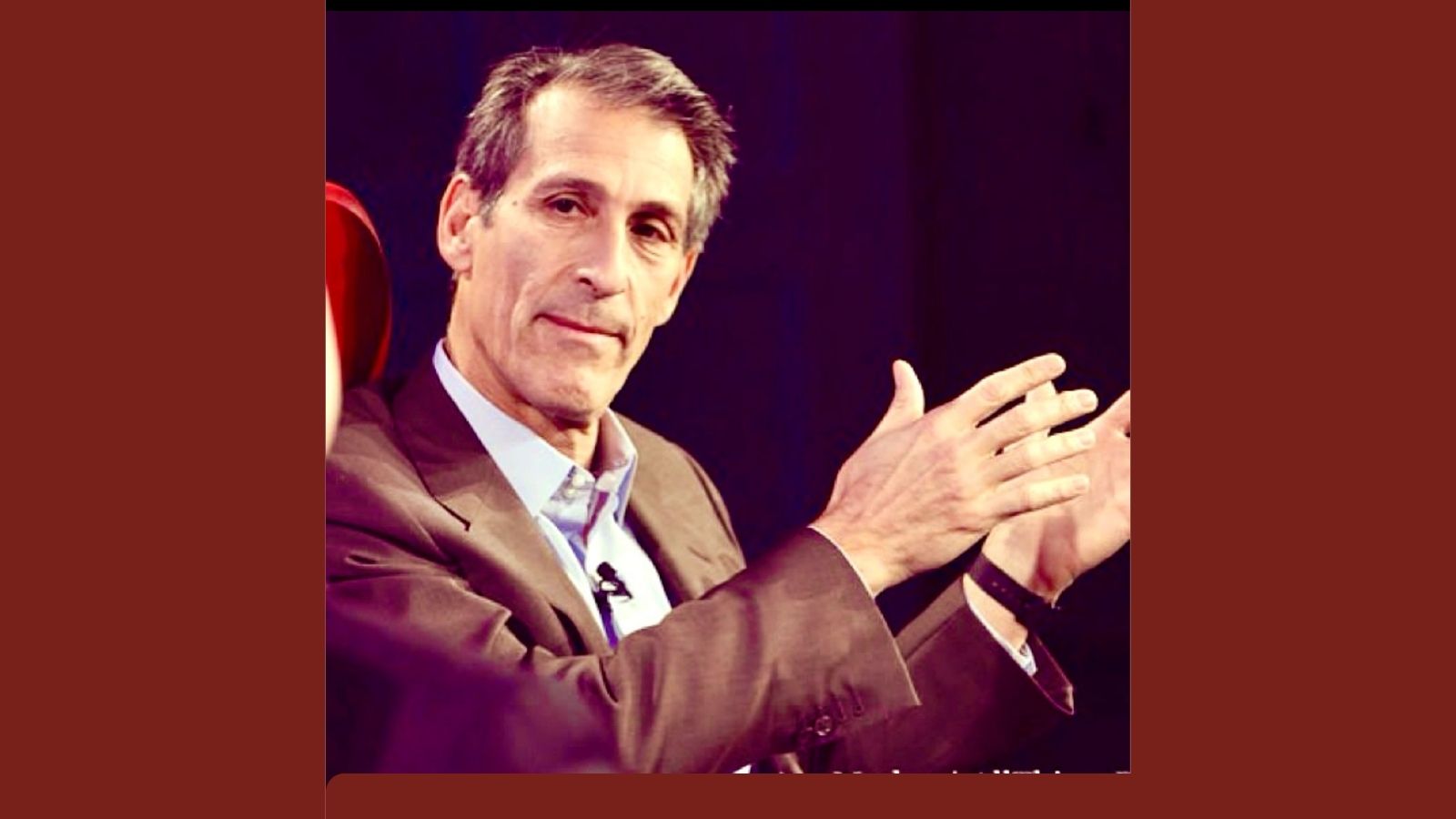
It is easy to look at the 2014 Sony hack as a relic of a different digital age, a chaotic moment of leaked emails and corporate panic that felt like a fever dream. But as former Sony Pictures CEO Michael Lynton reflects on those events in his new memoir, From Mistakes to Meaning: Owning Your Past So It Doesn’t Own You, the story transforms from a tech crisis into something far more human.
Writing over a decade later, Lynton admits that greenlighting the controversial comedy The Interview was the biggest blunder of his professional life. It is a confession that feels deeply relevant today, not because of the cyberattack itself, but because of why the decision was made in the first place.
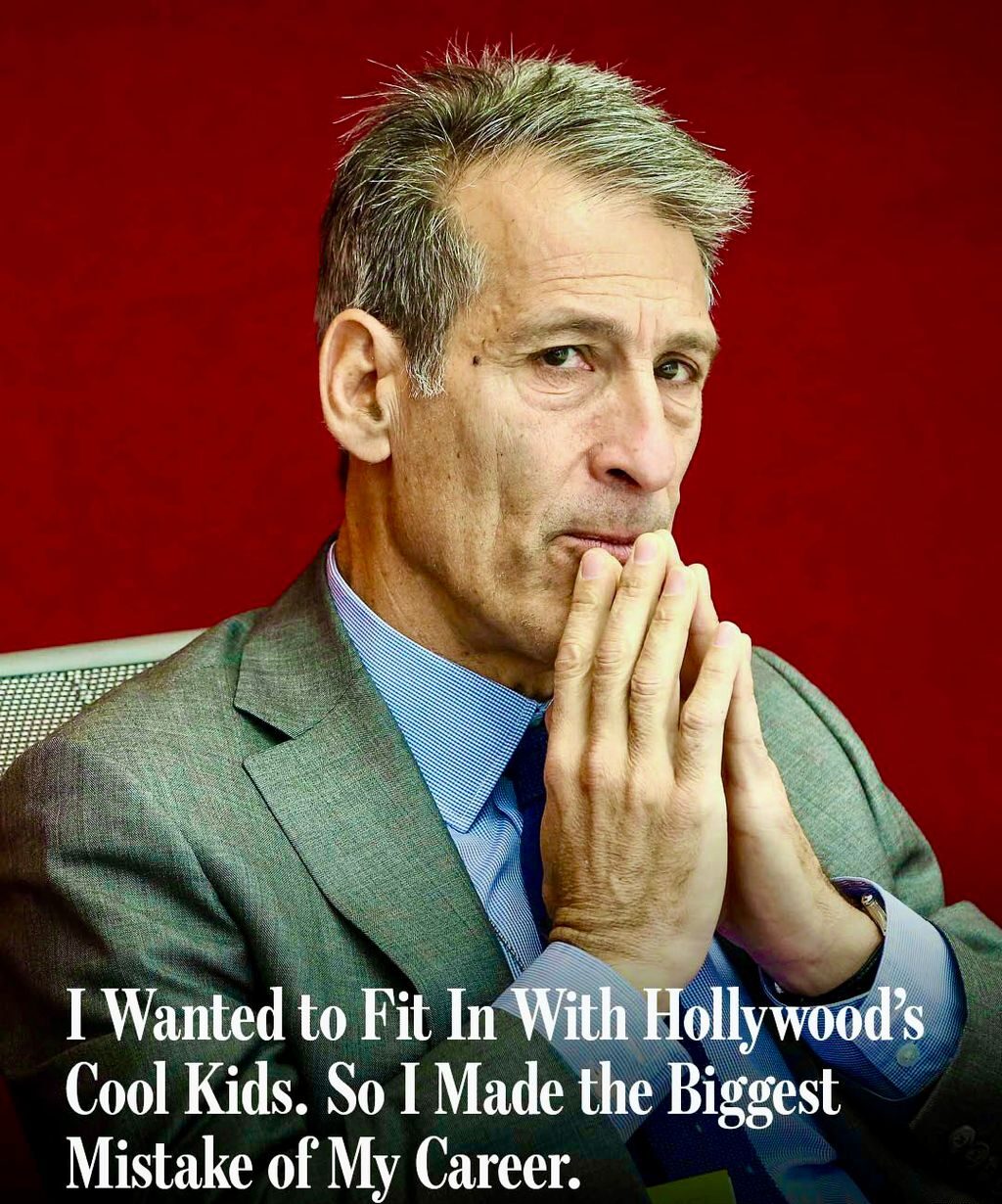
Lynton confesses that his choice was driven by a simple, almost nostalgic desire to fit in with the creative elite and be seen as more than just the responsible adult in the room. This need for approval triggered a breach that compromised seventy percent of the company’s servers, proving that sometimes the most dangerous thing in a boardroom is the human heart.
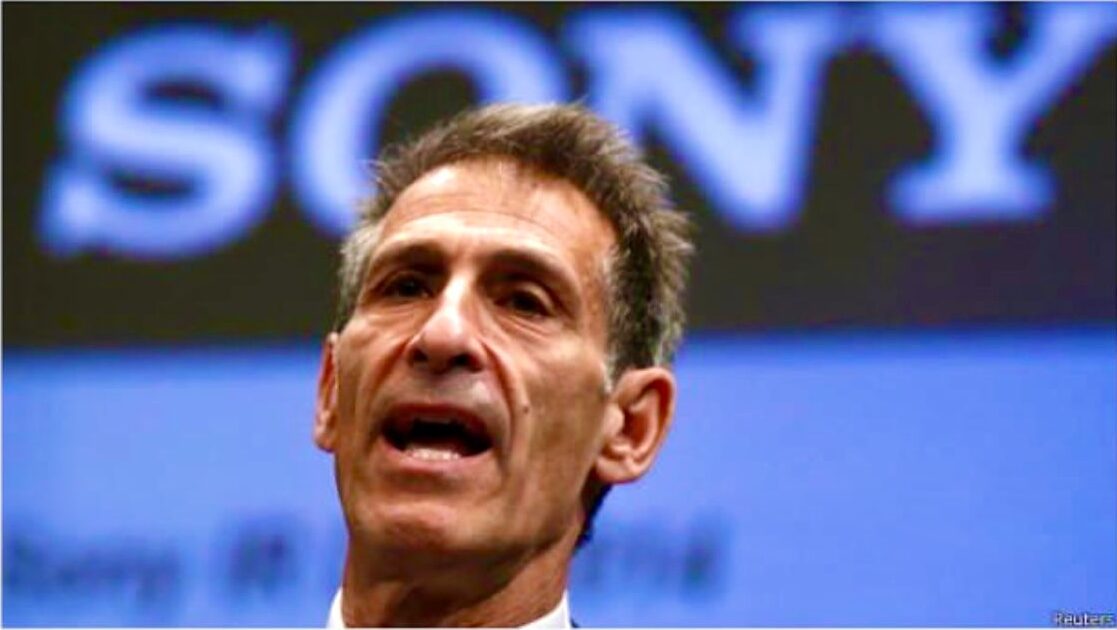
The fallout was a brutal lesson in the cost of vanity. By November 2014, Lynton was informed that the studio’s infrastructure was effectively breached, but the real damage was personal. The breach spilled tens of thousands of emails, Social Security numbers, personal information, and health records, including those belonging to Lynton’s own daughters.
Relationships with stars like Will Smith and Angelina Jolie were strained as private executive opinions were laid bare for the world to see.
Looking back, Lynton’s admission that he just wanted to be part of the cool kids gang of actors and creators is a vulnerable moment of self-reflection. It reminds us that even at the highest levels of power, we are often still just looking for a seat at the table with the people we admire.
By choosing a plot that centered on the assassination of a foreign leader, he inadvertently invited a global crisis just to secure his own standing in Hollywood social circles.
A Quiet Reckoning With the Presidency
There is a striking moment in the book where Lynton recalls a private conversation with former President Barack Obama about eight months after the initial chaos had settled. In the quiet of that call, the president asked a question that likely haunts many of us when we look back at our younger, more impulsive selves: “What were you thinking?”
Obama pointed out the inherent risk of making a foreign leader’s death a punchline, calling the decision a mistake. It is a fascinating contrast to the public narrative of the time, where the White House stood up for the film as a symbol of free speech. For Lynton, hearing that from the commander in chief was a moment of profound clarity.
He had spent his career viewing himself as a composed and steady executive, yet he had allowed a desire for acceptance to cloud his better judgment. It is the kind of realization that usually only comes with age, when the need to be liked finally gives way to the need to be right.
The timeline of that December remains etched in industry memory as a period where the line between entertainment and national security completely evaporated. After hackers threatened violence against theaters, major chains across the country pulled the film, leading Sony to cancel the theatrical release on Christmas Day.
It was a time of immense pressure and public scrutiny, but Lynton’s recent reflections suggest the internal weight was even heavier.
He was a man trying to champion creative talent while the very people he sought to protect were seeing their private lives dismantled online. The stolen health records and sensitive contracts added a layer of genuine human suffering to what many outsiders saw as mere celebrity drama.
In the decade since, the industry has changed its approach to security, but Lynton’s story suggests that we haven’t quite solved the problem of executive ego.
The Fading Glow of the Creative Elite
There is a certain nostalgia in the way Lynton describes the Hollywood of the mid two thousands, a place where being a badass creative meant more than any balance sheet. He admits that his effort to find a home within that community ultimately alienated the people he cared about most.
The breach created a PR nightmare that took years to mend, with leaked comments about stars like Adam Sandler creating deep fissures in the studio’s foundation.
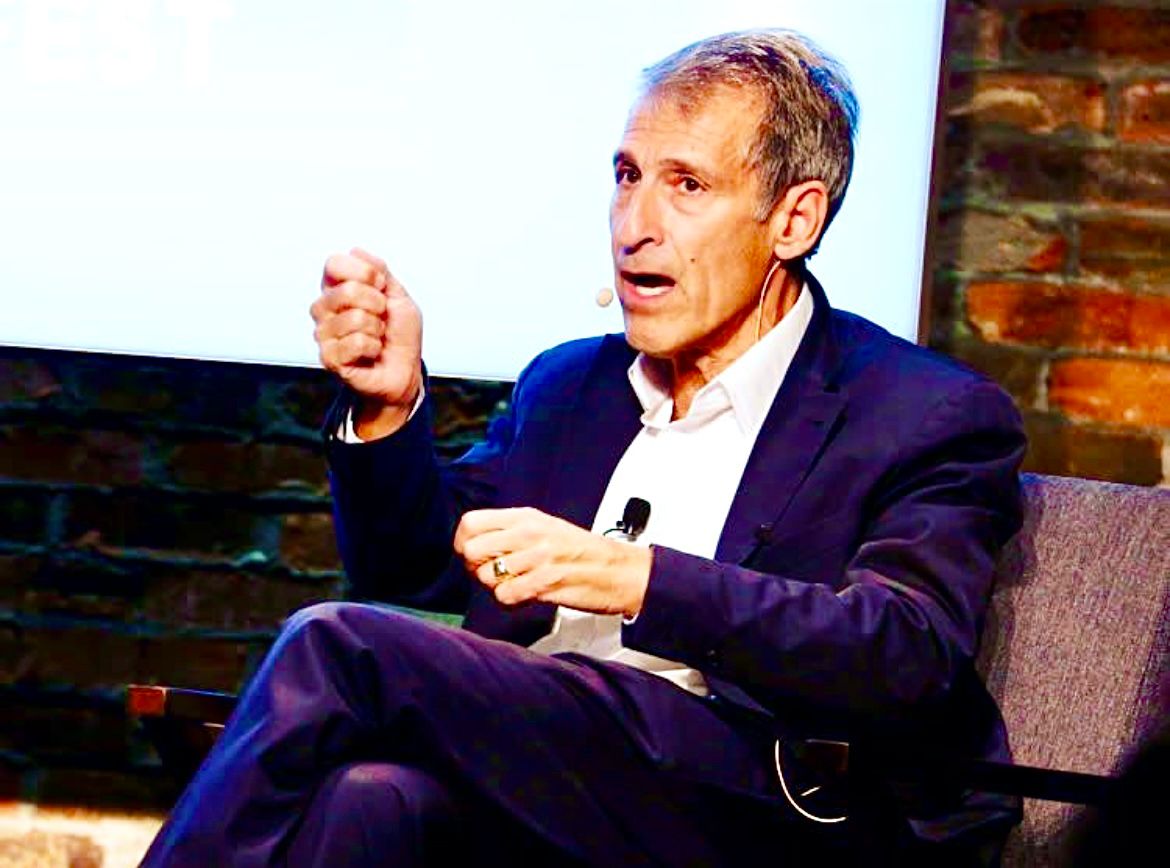
Now, in 2026, we see a world that is much more cynical about the creative elite and the power they hold. Lynton’s regret is a window into a specific era of show business where the desire for social capital could lead to a catastrophic organizational failure. It is a reminder that the people we try so hard to impress are often the ones who disappear when the servers go dark.
As we move further into an era defined by digital privacy and corporate accountability, this story feels like a bridge between the old guard and a new, more sober reality. Lynton’s honesty about his own vulnerabilities is a rare thing in a world that usually rewards projected strength. By owning his mistakes, he is offering a generational reflection on what it means to lead with integrity versus leading for applause.
The legacy of The Interview is no longer just about a movie or a hack, but about the quiet moments of insecurity that can change the course of a life. It makes one wonder how many of our own biggest mistakes were born from the simple, terrifying wish to finally be seen as one of the cool kids.
In the end, the most lasting lesson from this chapter of history is that true relevance comes not from the approval of the elite, but from the quiet confidence of knowing exactly who you are.