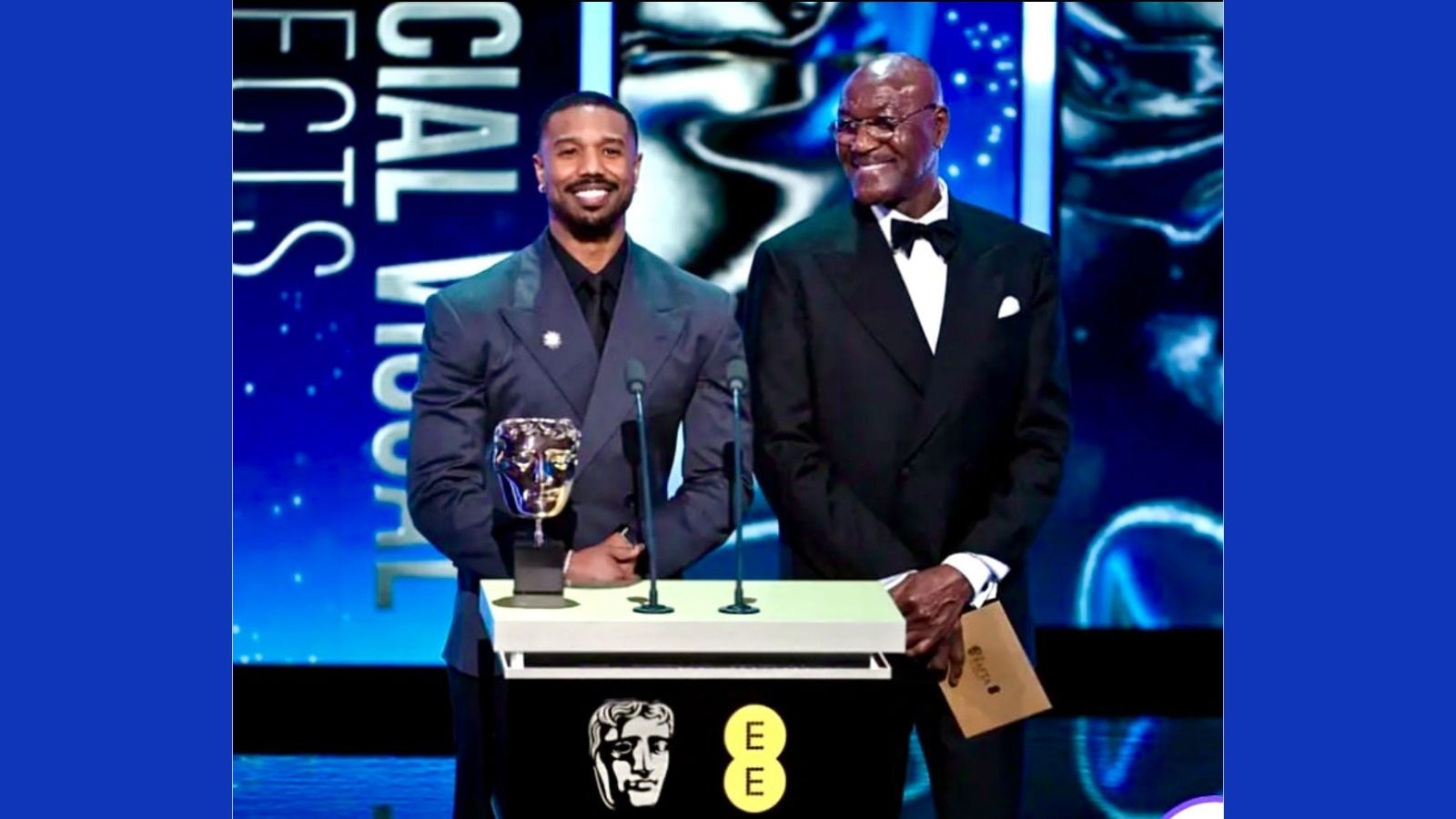
The 79th BAFTA Film Awards were underway at London’s Royal Festival Hall on February 22, 2026, when Michael B. Jordan and Delroy Lindo walked onstage to present the award for Best Visual Effects, and an audience member shouted the N-word in their direction.
The word came from John Davidson, a Tourette’s syndrome campaigner who attended the ceremony as an invited guest. The BBC subsequently apologized for the language that aired, but videos of the moment spread widely online after the ceremony.
The incident occurred during Black History Month, a detail that factored into how the media and the public in general framed their conclusions in the hours that followed.
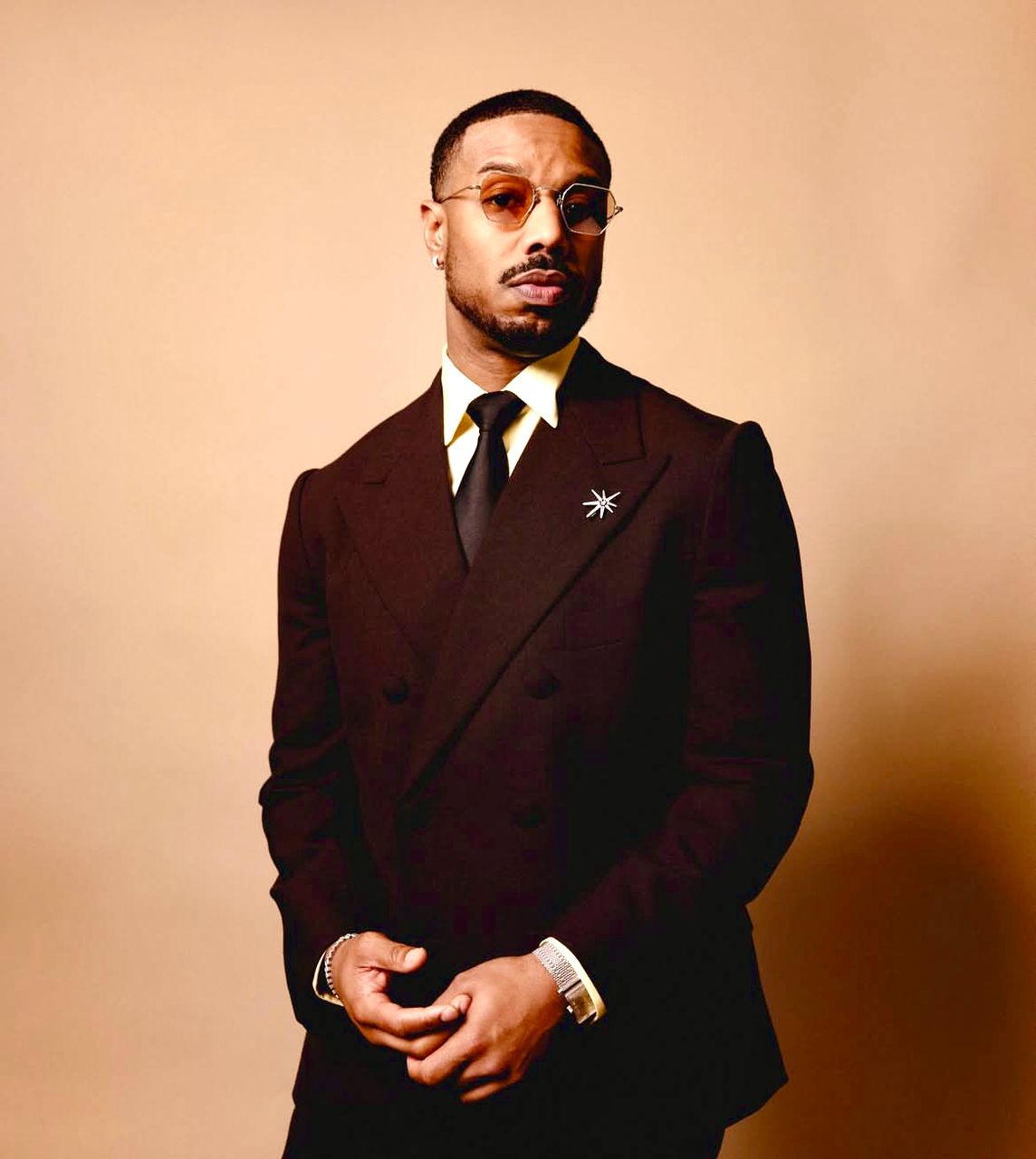
Jordan and Lindo are both stars of Sinners, the film that brought them to the BAFTA stage that evening. They paused briefly after the outburst before continuing their presentation, which concluded with Avatar: Fire and Ash taking home the award for Best Visual Effects.
As of publication, neither actor had issued a public statement about what happened, according to BuzzFeed. Video of the moment reached audiences who had not been watching the broadcast live, and those viewers encountered the clip without the context the host had already provided inside the hall, a distinction that shaped how the incident was received across different platforms.
Davidson’s connection to the evening was direct and documented. His life experience with Tourette syndrome is the foundation of I Swear, a film that received a BAFTA nomination and was part of the official program that night.
Jordan and Lindo’s film Sinners and Davidson’s affiliated film I Swear were both present at the same ceremony, each representing distinct work tied to the night’s recognition of film. Davidson attended not as a general audience member but as someone whose personal story had been translated into a nominated feature.
That is the verified context in which his presence at the Royal Festival Hall on February 22 is understood.
What Was Already Happening Before the Slur
Davidson had drawn attention earlier in the evening, well before Jordan and Lindo reached the stage. According to reporting from Bleeding Cool and Variety, he shouted profanities during the remarks by BAFTA chair Sara Putt at the start of the ceremony, with outbursts that included “fuck off” and “boring.”
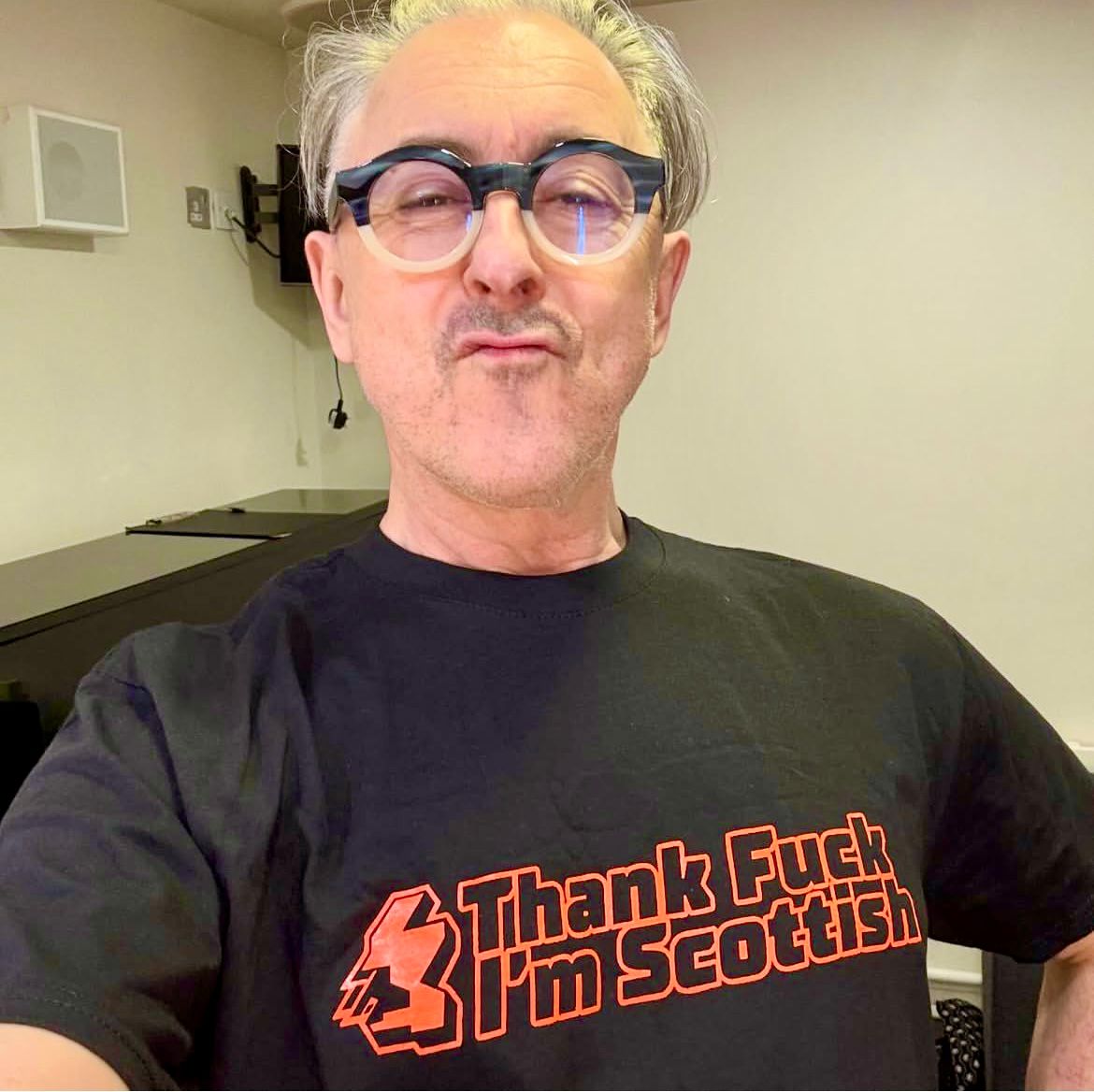
Host Alan Cumming addressed the situation at that point with a brief explanation directed at the full audience. His first remarks were measured: “You may have noticed some strong language in the background. This can be part of how Tourette’s syndrome shows up for some people… Thanks for your understanding.”
That initial address came early enough in the ceremony that the audience inside Royal Festival Hall had been given a framework before the evening progressed further. Davidson eventually left the venue voluntarily, according to the Hollywood Reporter and Variety, before the ceremony reached its conclusion. As of publication, no outlet had reported a public statement from Davidson, and no confirmation of any response from his representatives had emerged across the outlets covering the story.
Cumming’s Two Addresses and What the BBC Broadcast
When the N-word was shouted as Jordan and Lindo began speaking, Cumming returned to the subject with greater directness than his first address had required. Speaking to the room, he said: “Tourette’s syndrome is a disability, the tics you’ve heard tonight are involuntary, which means that individuals with Tourette’s have no control over their language. We apologize if anyone was offended tonight.”
The shift between his two addresses reflected how the situation had moved from an early disruption during opening remarks to a moment that occurred as two presenters stood at the microphone in front of the full room and a live broadcast audience.
The BBC issued a separate apology following the broadcast, citing the strong and offensive language that had aired. Reporting from multiple outlets confirms that the stronger outbursts were muted during the television broadcast itself, which means viewers watching on the BBC and the audience seated inside the hall did not experience the same version of the evening.
Those in the room heard the outbursts as they happened. Television viewers heard a partially edited broadcast. The raw footage that circulated online afterward captured what the live audience experienced, and that version is what drove the story’s spread across platforms following the ceremony.
How the Story Landed Across the Internet
The incident generated significant pickup, and each outlet approached the story from a distinct angle. CNN identified Davidson by name and described the footage as “the clip heard around the world,” with its coverage centering on the reach and spread of the video itself.
TMZ focused on the Black History Month timing and noted the composure shown by Jordan and Lindo in continuing their presentation without disruption.
The Hollywood Reporter and Variety both documented that the outbursts were not limited to a single moment, covering the full timeline of Davidson’s presence across the evening and providing medical context around Tourette syndrome.
According to reporting from Evrim Agaci, the incident prompted public discussion about Tourette syndrome and how the condition is understood by general audiences. As of publication, no outlet had reported direct responses from Tourette advocacy organizations specifically addressing the BAFTA incident.
What was confirmed is a single evening that generated parallel conversations about disability, race, live broadcasting, and the gap between what a room experiences and what a camera captures. Each of those outlets reported on the same event and landed in a different place, which itself says a lot about how February 22, 2026, was received.