An elderly Massachusetts woman was told not to call local police after callers posing as federal agents claimed her finances had been compromised, authorities said.
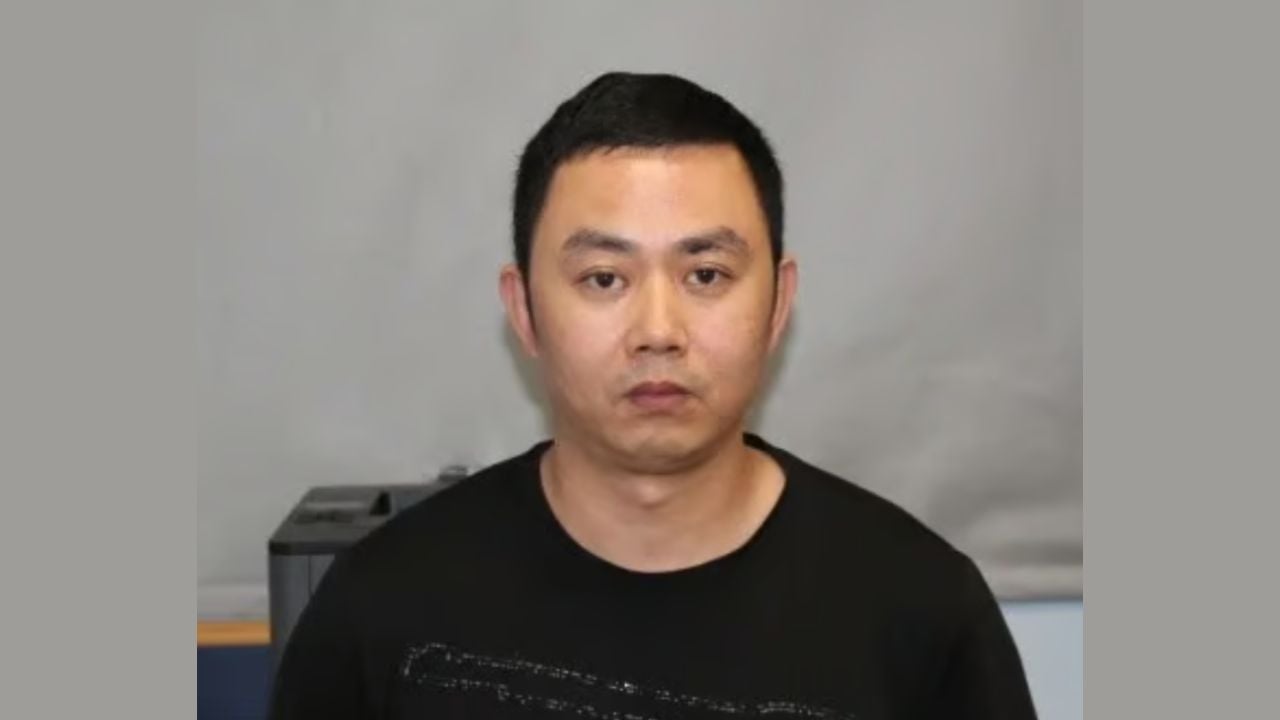
The Ludlow Police Department arrested Suqi Chen, 43, of Flushing, New York, on June 22 in connection with the elder financial scam, according to a police release shared through John Guilfoil Public Relations.
Police said the scam took thousands of dollars from an elderly Ludlow resident. The victim had first been contacted by people who claimed she had been charged a large amount of money for a fraudulent purchase.
Chen was charged with larceny, conspiracy, identity fraud, forgery, impersonating a police officer, and other counts. The charges are accusations and have not been proven in court.
The Callers Claimed To Be FTC Agents
Police said the victim was contacted by phone by people posing as Federal Trade Commission agents. While trying to correct the supposed fraudulent charge, she was told her finances had been compromised.
The callers instructed her not to notify local law enforcement, according to Ludlow police. She was then persuaded to provide personal identifying information and withdraw a large sum of cash.
Police said the victim handed the money to someone posing as a federal agent during an exchange on June 17.
Fake Government Checks Were Used After the First Handoff
The scam continued after the first cash exchange, police said. Investigators said the callers tried to get more money from the victim by promising that her funds would be returned by the federal government.
To make the story look official, the scammers sent the victim photos of government-issued checks, according to police. Investigators later determined the checks were fraudulent.
The victim contacted Ludlow police on June 21 after realizing she had been scammed.
Detectives Stopped the Next Cash Pickup
Members of the Ludlow Police Detective Bureau began investigating and learned that a suspect was actively arranging to collect additional money from the victim, police said.
Detectives coordinated with the victim and arrested Chen on June 22. Police said Chen was taken to Palmer District Court and held on $50,000 bail.
The charges listed by police include larceny over $1,200 by false pretense, larceny from a person age 65 or older, attempted larceny from a person age 60 or older or disabled, conspiracy, impersonating a police officer, identity fraud, forgery of a document, uttering a false writing, and other counts.
Federal Agencies Do Not Send Cash Couriers
The Federal Trade Commission says it will never threaten people, tell them to transfer money to “protect it,” or tell them to withdraw cash or buy gold and give it to someone.
A caller who says not to contact police, a bank, a relative, or a financial adviser is already asking for something a real agency would not need. The same goes for a caller who sends photos of checks, badges, case numbers, or documents while demanding secrecy and cash.
Anyone who gets a call like this should hang up and contact the real agency through an official website or public phone number. Do not call back through a number supplied by the caller, and do not meet anyone who says they are coming to collect money for a government agency.
What To Save After a Fake-Agent Call
People who already handed over money should contact local police immediately and call their bank. They should save phone numbers, voicemails, text messages, emails, check images, withdrawal records, receipts, vehicle descriptions, doorbell-camera footage, and any names or badge numbers the caller used.
Ludlow police said residents who believe they may have fallen victim to a scam, or who believe they may be communicating with scammers, should contact the department at 413-583-8305.
Reports can also be filed with the FTC at ReportFraud.ftc.gov. If the scam involved online contact, phones, banking instructions, or a courier arranged through messages, victims can also report it to the FBI’s Internet Crime Complaint Center at IC3.gov.