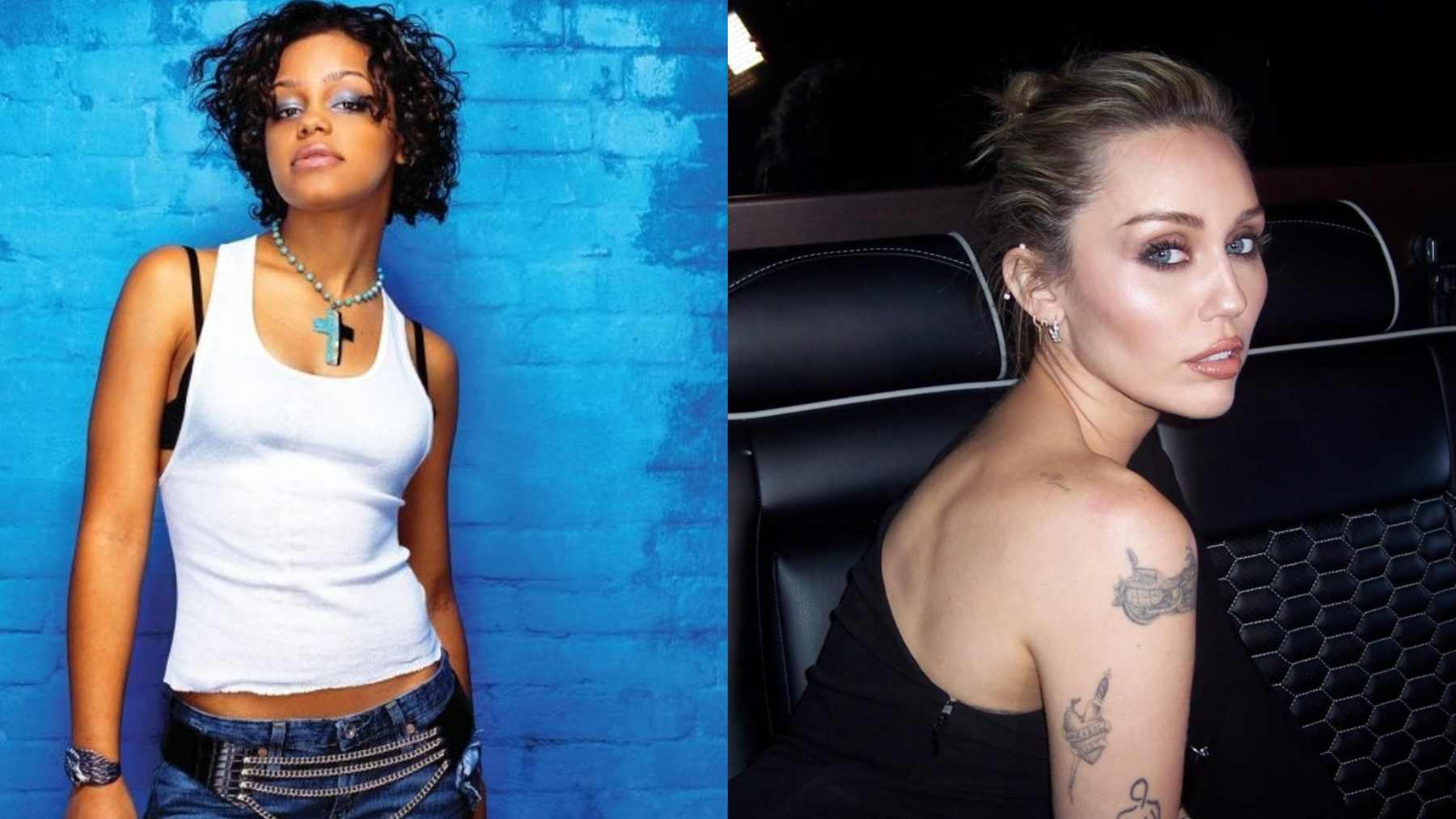
For many artists, the most painful part of being dropped by a label isn’t the termination of their contract. It’s watching the songs you bled over find life somewhere else.
For Canadian singer-songwriter Fefe Dobson, that moment came when she learned that one of the songs she co-wrote during a turbulent period in her career had been recorded by a rising Disney star: Miley Cyrus.
The story isn’t one of theft or scandal, but one of industry power, timing, and how pop careers can pivot based on decisions made far above the artist’s head.
The Rise and Sudden Stall
Fefe Dobson broke onto the scene in 2003 with her self-titled debut album under Island Records. At a time when pop-punk was dominated by white male acts and a handful of white female stars, Dobson stood out: a biracial Black Canadian woman fronting a guitar-driven, Avril-adjacent sound.
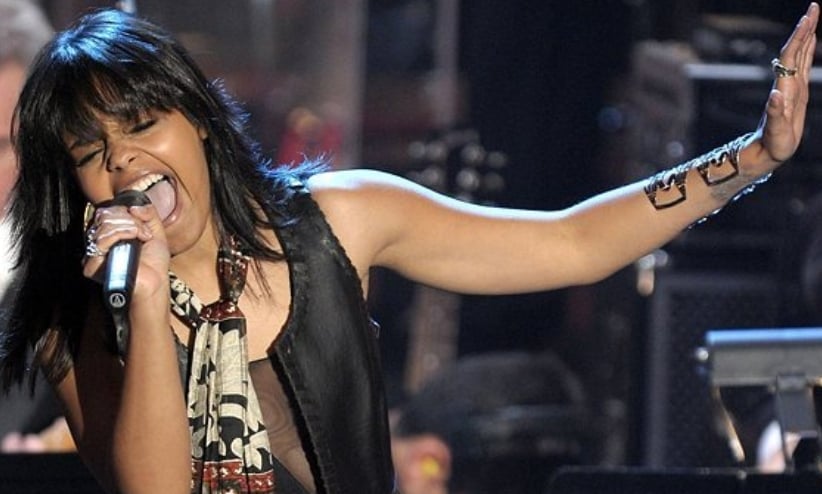
Her singles “Bye Bye Boyfriend” and “Take Me Away” received MTV rotation. Industry insiders viewed her as part of the next wave of pop-rock crossover artists. She toured with acts like Justin Timberlake and Nelly Furtado, positioning her in both mainstream pop and alternative circuits.
But by 2006, momentum had slowed. Dobson’s second album, which reportedly included darker, more rock-leaning material, was shelved by Island Records. She was eventually dropped.
That’s when the industry machinery continued moving, without her.
The Song That Found Another Voice

One of the songs Dobson co-wrote during that transitional period was “Start All Over,” written with production duo Rock Mafia (Antonina Armato and Tim James). Rock Mafia were prolific hitmakers with deep ties to Disney talent development.
After Dobson’s album was scrapped, the song was picked up and ultimately recorded by Miley Cyrus for Hannah Montana 2: Meet Miley Cyrus in 2007.
Dropped by her label and convinced her career was over, Dobson says she was sitting alone in her Toronto loft when she heard Miley Cyrus singing “Start All Over,” the very track meant for her shelved album. She describes this as a moment that felt crushing but ultimately pushed her back into the studio.
Fefe Dobson reflects on a turning point in her career when her album was shelved, only for the songs she wrote to later find new life through other artists like Miley Cyrus and Selena Gomez. pic.twitter.com/ezvT11vFNR
— y2k (@y2kpopart) February 13, 2026
Dobson still retains official songwriting credit on the track. This wasn’t a case of an uncredited demo leak or appropriation. It was a publishing decision, a standard but emotionally complicated part of the music business.
Still, for Dobson, the realization carried weight.
Industry Reality: Who Owns the Song?

One detail often overlooked in these conversations is how music rights function.
When artists are signed to major labels, particularly early in their careers, publishing and master rights are often structured so that the label or associated publishing company controls song placement. If an album is shelved, songs can be reassigned.
In Dobson’s case, she co-wrote the track with producers who had ongoing relationships with Disney’s machine. Once her project was scrapped, the song became an asset ready for placement.
This isn’t unusual. What makes it striking is the cultural contrast. Dobson, a pop-rock artist fighting for creative autonomy, and Cyrus, who was then transitioning from a Disney persona to a broader teen-pop identity.
Miley Cyrus at That Moment

To understand the emotional subtext, you have to understand where Miley Cyrus was in 2007.
She was at the height of Hannah Montana fame, a carefully engineered dual-identity brand that balanced wholesome Disney marketing with emerging pop stardom. The album featuring “Start All Over” debuted strongly, bolstered by the television juggernaut behind it.
Cyrus wasn’t stealing material; she was the beneficiary of an industrial ecosystem designed to maximize songs with hit potential. That ecosystem did not extend the same patience to Dobson.
Dobson has spoken candidly in interviews over the years about the difficulty of being dropped and watching the industry move on quickly. While she has not publicly framed the Miley situation as bitterness, she has acknowledged how hard it is to see songs you poured into shelved projects find success elsewhere.
It’s not resentment toward Cyrus; it’s grief for the version of your career that might have been. There’s a psychological layer many artists rarely discuss: when a song becomes a hit for someone else, it can feel like a mirror reflecting the path not taken.
And yet, Dobson did something many artists fail to do after label rejection: she rebuilt.
Reinvention and Return

After parting ways with Island, Dobson eventually signed with 21 Music and later reemerged with “Ghost” in 2010. This was a darker, emotionally raw track that became a Canadian radio hit and marked her artistic resurgence.
Her 2012 album Joy leaned into vulnerability, independence, and creative control. It didn’t dominate U.S. charts, but it reestablished her on her own terms.
More recently, Dobson has spoken openly about the early 2000s industry’s limited understanding of where a Black woman fits within pop-punk. In hindsight, some critics argue that the industry may not have known how to market her properly, a conversation that has gained traction as diversity in alternative music becomes more visible.
Was Dobson Ahead of Her Time?

Today, artists like Willow Smith and Olivia Rodrigo comfortably straddle pop and rock lanes. The cultural appetite for genre fluidity, especially among young women, is strong.
In 2003? Less so. Dobson’s commercial struggles may not have been about quality, but about timing and branding discomfort within major labels. If that’s true, then the “Start All Over” moment becomes symbolic of something larger: how industry systems redistribute opportunity when they lose faith in one artist and invest in another.
It wasn’t personal. It was structural. But structural decisions still land personally.
Where Things Stand Now
Fefe Dobson remains respected among early 2000s pop-rock fans and industry insiders. She has continued to write, perform, and advocate for artistic independence.
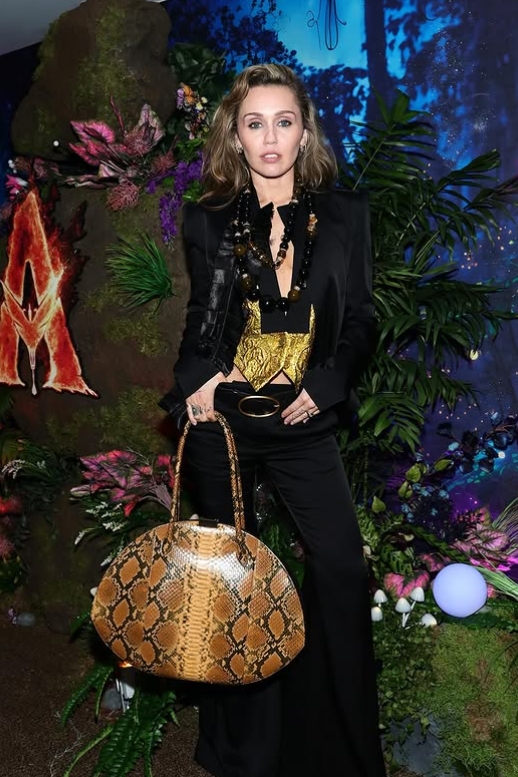
Miley Cyrus, for her part, has since shed the Disney persona entirely and built a career defined by reinvention with Bangerz and Grammy recognition decades later.
The irony? Both women have built identities around resilience. Dobson survived being dropped and reclaimed her narrative. Cyrus survived the pressures of child stardom and evolved into an artist with creative control. And somewhere in the middle sits a song, not stolen, not scandalous, but emblematic of how the music industry reallocates momentum.
The Real Story Isn’t Drama. It’s Survival. What makes Dobson’s reflection compelling isn’t conflict. It’s honesty. She learned that a song she helped create had found life elsewhere. That realization likely carried a mix of validation and sting, proof that the music worked, but not in the way she imagined.
In the end, the story isn’t about one artist taking from another. It’s about what happens when corporate systems decide who gets the spotlight, and who has to rebuild in the shadows.
And Fefe Dobson did rebuild. That might be the more powerful headline.