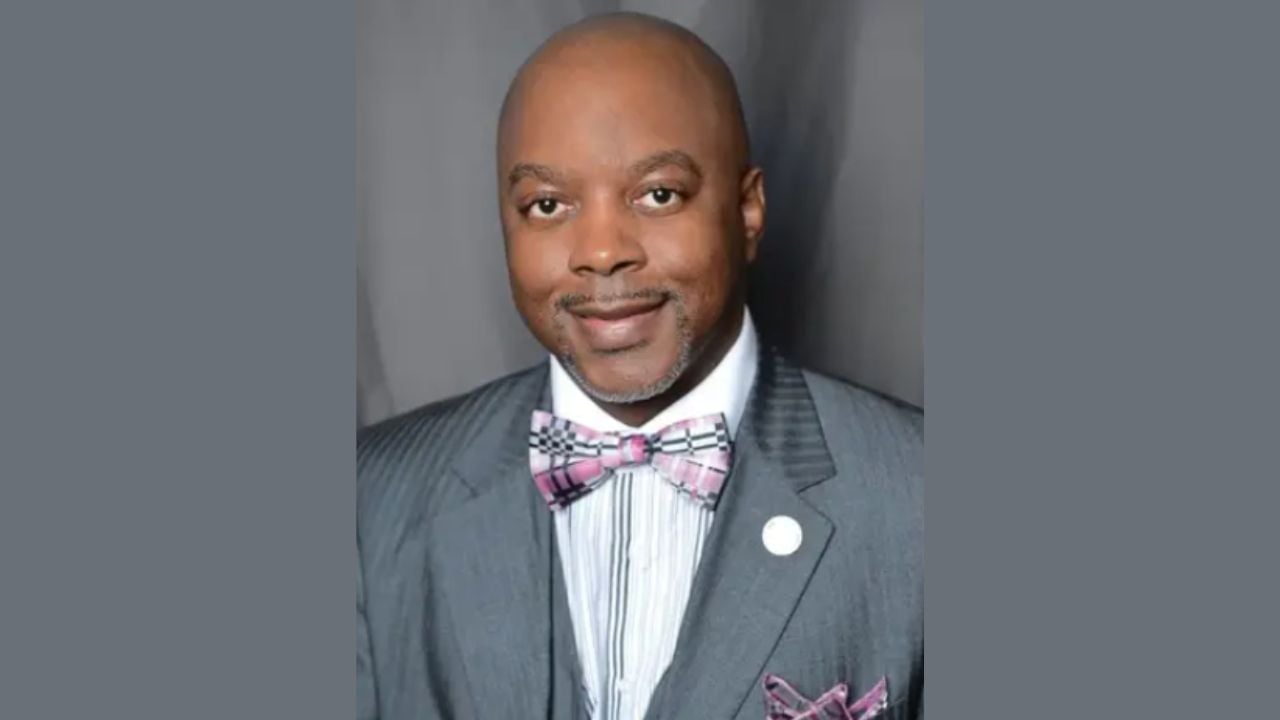
A former Georgia state representative will serve no additional jail time after pleading guilty to making false statements while collecting COVID-era unemployment benefits.
Dexter Sharper, 54, of Valdosta was sentenced September 14 to time served by U.S. District Judge Mark Cohen. He was also ordered to pay $10,096 in restitution, a $2,000 fine and a $100 special assessment.
Sharper collected $13,825 through pandemic unemployment programs between April 2020 and May 2021. He pleaded guilty in March to one federal count of making false statements to obtain funds administered by the U.S. Department of Labor.
Sharper represented Georgia House District 177, which includes portions of Lowndes County, from January 2013 until his resignation in March 2026.
Sharper Certified 38 Times That He Had Not Worked or Earned Wages
When Sharper applied for unemployment assistance, he identified Dexter Sharper Party Rental as his only employer. He said the company had employed him for 40 hours per week for more than seven years but that he had not worked there since March 13, 2020.
He then submitted 38 weekly certifications stating that he had not worked or earned wages, was actively seeking employment and had not refused available work, according to the U.S. Attorney’s Office for the Northern District of Georgia.
The weekly certifications were required to determine whether an applicant continued to qualify for unemployment assistance during the claimed period.
Investigators Found Income From the Legislature, His Business and Music
Federal investigators found that Sharper was earning money from at least two, and sometimes three, sources during weeks covered by his claims.
His position in the Georgia General Assembly paid him at least $325 per week. Prosecutors also said his party rental company remained operational and generated as much as $2,231 in weekly income.
Sharper additionally earned up to $275 per week working as a musician. Those income sources contradicted the employment and wage information contained in his unemployment certifications.
He Resigned Two Days Before Pleading Guilty
Sharper announced his resignation from the Georgia House on March 9 and entered his guilty plea two days later.
After sentencing, he said in a statement that he respected the process and outcome and planned to focus on his family, faith and community. He also said he did not intend to return to politics.
Two Other Georgia Lawmakers Faced Similar Cases
Sharper was one of three Georgia state representatives prosecuted in separate federal cases involving pandemic-era unemployment assistance.
Karen Bennett, formerly of House District 94, pleaded guilty to making false statements connected to $13,940 in benefits. She was sentenced in April to time served and ordered to repay that amount, along with a $1,000 fine and $100 special assessment.
Sharon Henderson, formerly of House District 113, pleaded guilty July 30 to making false statements involving unemployment funds. Her sentencing is currently scheduled for December 2.
The investigations involved the Georgia Office of the State Inspector General, the U.S. Department of Labor Office of Inspector General and the FBI.
Pandemic Relief Fraud Investigations Are Still Continuing
Although the major COVID relief programs have ended, investigators can compare old benefit applications and weekly certifications with payroll information, tax records, business revenue, bank activity and government employment records.
People with information about suspected COVID-19 relief fraud can report it through the Justice Department’s National Center for Disaster Fraud. The hotline is 866-720-5721, and reports can also be submitted through the agency’s online complaint system.
Benefit applications, payroll records, bank statements, emails and payment histories should be preserved when they may help establish whether someone provided false information to obtain government assistance.