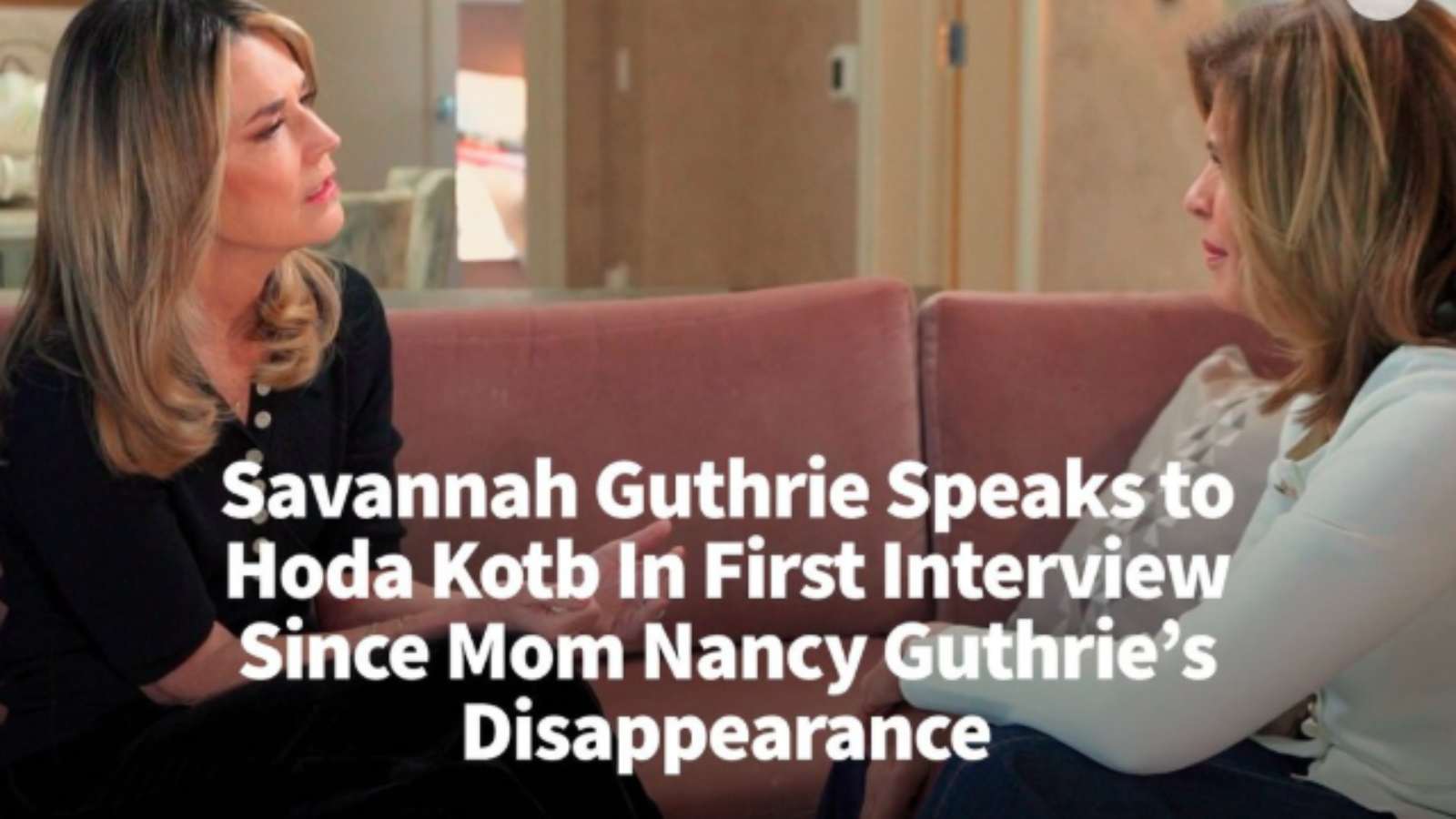
The red light of a television camera is usually a signal of authority, a beacon of polished perfection that tells the world everything is under control. But for Savannah Guthrie, that same light has recently felt more like a spotlight on a raw, open wound.
In the early hours of February 1, 2026, the woman who wakes up America received the kind of phone call that makes the heart stop: her 84-year-old mother, Nancy Guthrie, had vanished from her home in the Catalina Foothills of Tucson, Arizona.
What followed wasn’t a quiet retreat into the shadows of private mourning. Instead, Savannah has done something radical in an industry built on “keeping it together.” She has broken down, publicly and repeatedly, while simultaneously refusing to disappear.
It is a masterclass in “ambiguous loss,” a psychological state where grief is trapped in the amber of the unknown, and it is changing the way we look at the people behind the news desk.
The Night the Clock Stopped
View this post on Instagram;;
To understand why Savannah’s current display of grief is so jarring, you have to look at the timeline. According to the Pima County Sheriff’s Department, Nancy Guthrie was last seen at 9:50 p.m. on January 31.
By 2:28 a.m. the next morning, the electronic tether of her pacemaker, a device meant to keep her heart beating, was disconnected from her home network. Her iPhone sat silent on a table. When investigators arrived, they didn’t find an empty house; they found traces of blood and signs of a violent struggle.
For Savannah, this wasn’t just a news story. It was a haunting echo of the first time her world “cracked open.” When she was just 16, her father, Charles Guthrie, died of a sudden heart attack. She has often described her life as having two eras: “Before Dad Died” and “After.” Now, she is living in a third, much more terrifying era: “The Wait.”
Why She Isn’t Stepping Down
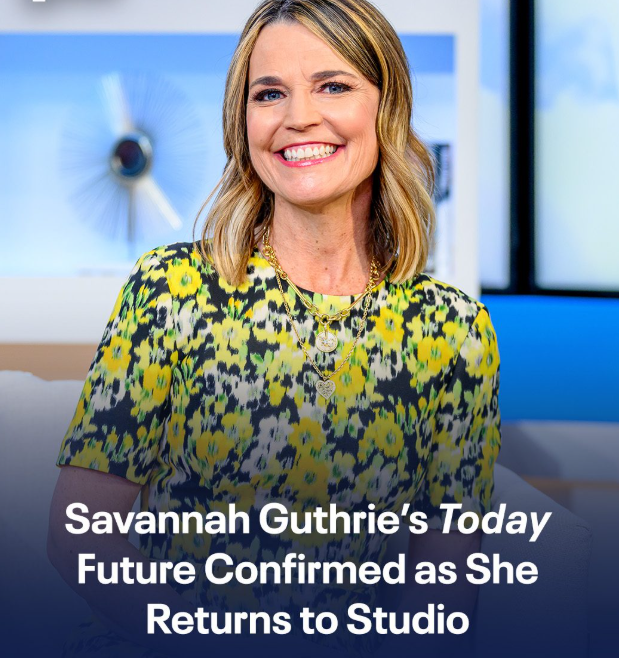
In the cutthroat world of morning television, an extended absence is usually a career death knell. Rumors have swirled, fueled by “television veterans” speaking to Status News, that Savannah might never return to the Today anchor chair. The logic? The “connective tissue” of the morning show family has been too badly damaged.
But Savannah’s response has been a defiant, tear-streaked “no.” On March 5, 2026, she made a surprise, off-camera visit to the NBC studios. She didn’t go there to clean out her desk; she went to tell her crew, “I’m still standing, and I still have hope, and I’m still me. And I don’t know what version of me that will be, but it will be.”
She isn’t staying in the public eye for the ratings or the paycheck. She is staying because, for a daughter of a missing person, visibility is a weapon.
The $1 Million Motivation: By keeping her face on every screen, she keeps her mother’s face there, too. The Guthrie family has offered a $1 million reward for information leading to the arrest of the suspect.
The Social Media Sentinel: Her Instagram has transformed from a lifestyle feed into a digital command center, sharing surveillance footage of a masked man seen near her mother’s garage and pleading with the Tucson community to “check their journal notes” from the night of the disappearance.
Is “Grief-Baiting” a Real Concern?
Here is where the conversation gets a little bit delicate, and it’s the part of the story most outlets are too afraid to touch. There is a growing, quiet debate among media critics about the “performative” nature of public trauma.
The Question: In an age where every personal tragedy is content, does Savannah’s refusal to leave the spotlight help the investigation, or does it turn a private family horror into a high-stakes reality show for NBC?
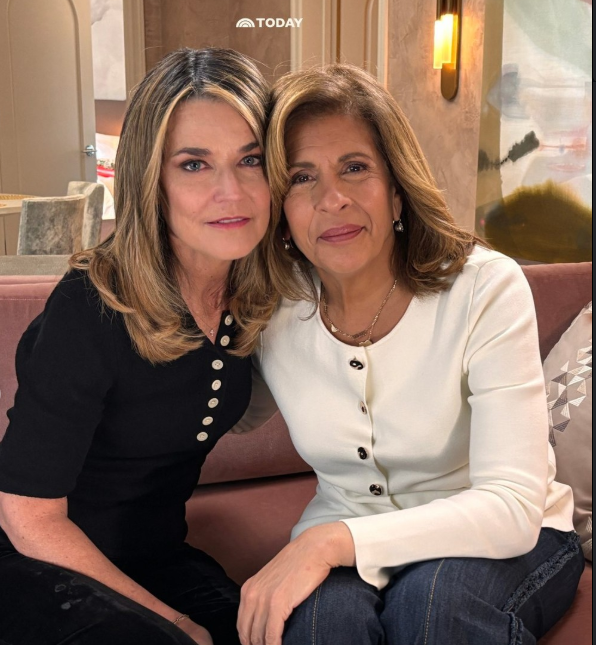
This suggests that by integrating her grief so deeply into the Today brand, with Hoda Kotb returning from retirement to “fill the gap” and emotional segments dedicated to “praying for Nancy,” the line between news and voyeurism has blurred. Some argue that this level of public display puts an unfair burden on the audience to act as emotional caregivers for a celebrity.
However, the counter-argument is more human. If it were your mother, would you care about “media decorum”? Savannah is using the only platform she has to ensure her mother doesn’t become another “cold case” statistic. If that means breaking down on camera or asking millions of strangers to carry her burden, so be it.
A Faith Under Fire
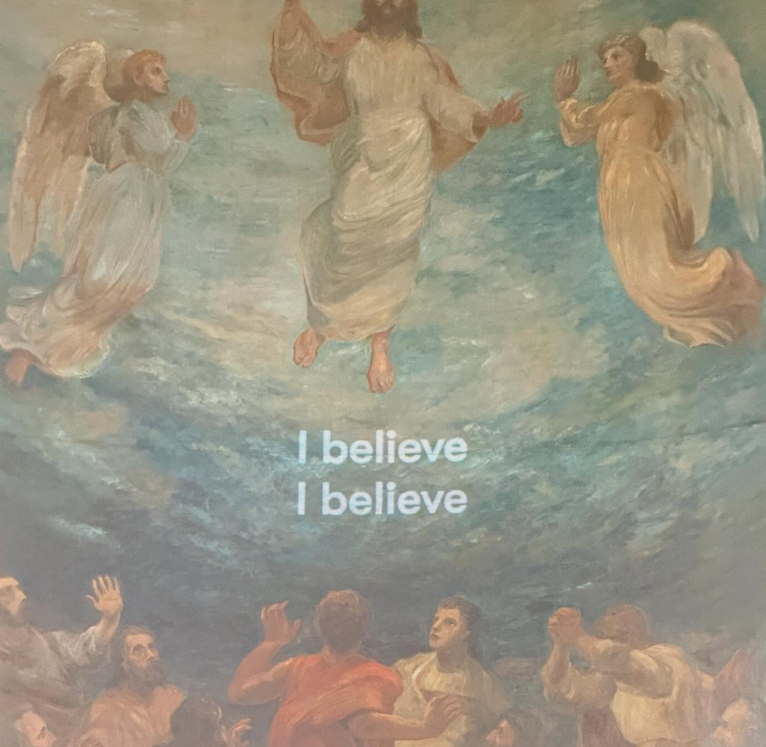
Perhaps the most “human” element of this saga is Savannah’s reliance on her faith. In late March 2026, she shared a post of The Transfiguration, captioned simply, “I believe, I believe.”
It’s a stark contrast to the usual Hollywood approach to tragedy, which often involves vague “thoughts and prayers.” Savannah is being specific. She is leaning into a “crushed spirit,” as she quoted from the Psalms. It’s this vulnerability… the willingness to say “I am broken and I don’t know how to do this” … that has forged a deeper bond with her viewers than a decade of “perfect” anchoring ever could.
This spiritual anchoredness acts as a rare, raw conduit between a polished studio in Rockefeller Center and the quiet living rooms of millions who have navigated their own unmapped valleys. By shedding the telegenic armor of a broadcast journalist, she has transformed a national tragedy into a shared meditation on endurance.
It isn’t merely about religious conviction; it’s about the visceral courage required to remain present when every instinct screams to retreat into solitude. In witnessing her refusal to sanitize this agony, the public finds a mirror for their own unspoken hardships, proving that true authority isn’t found in having all the answers, but in the grit to keep asking the questions while the world watches.
The “Ambiguous” Road Ahead
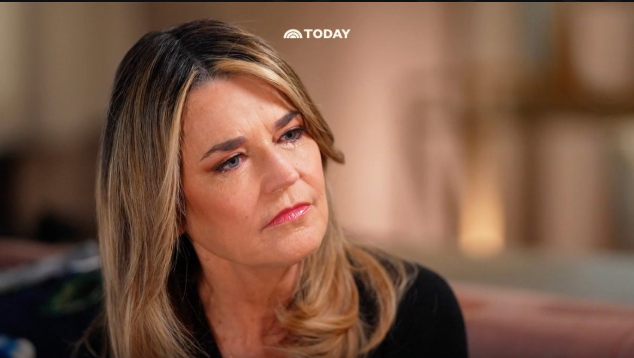
As the search enters its second month, the reality of “ambiguous loss” sets in. There is no funeral to plan, but there is no mother to call. Savannah Guthrie is essentially teaching a national audience how to live in the “middle.” She is showing us that you can be “still standing” even as your legs shake.
She told her colleagues, “I don’t know how to come back, but I don’t know how not to.” That sentence alone defines the current state of American celebrity: a life lived so publicly that even the most private agony must be shared to be survived.
Savannah Guthrie isn’t just an anchor anymore; she’s a daughter in the fight of her life, and she’s invited all of us to watch her struggle, cry, and, most importantly, keep hoping.
This relentless visibility transforms her ordeal into a living testament of resilience, stripping away the glossy veneer of celebrity to reveal a skeleton of pure, unadorned humanity. By leaning into the discomfort of the unknown rather than seeking a hasty, artificial closure, she dismantles the traditional boundaries separating a news icon from her audience.