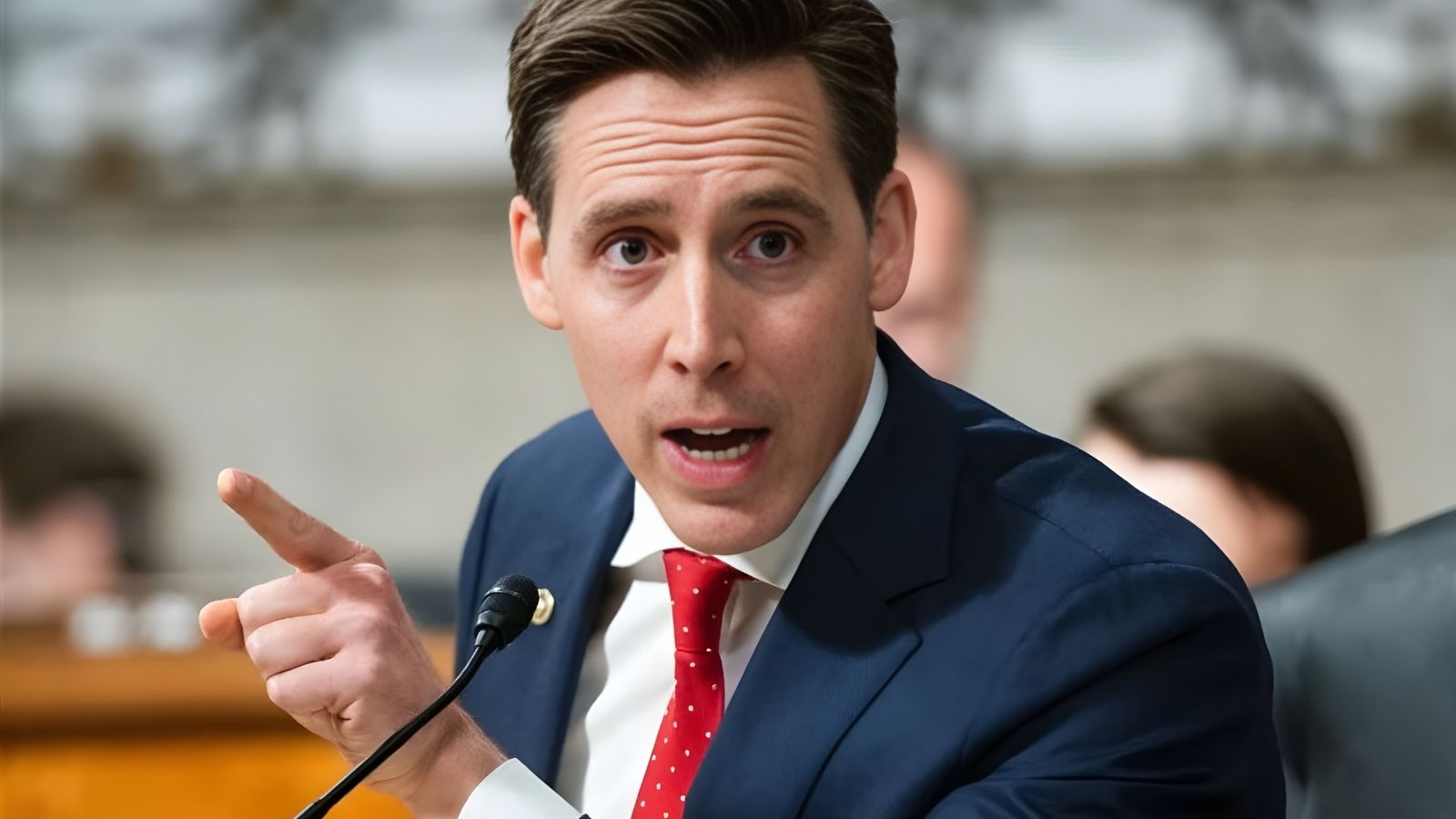
Sen. Josh Hawley put Netflix on the spot in a way that was built for clips. In a Senate hearing tied to Netflix’s proposed merger with Warner Bros., Hawley challenged Netflix CEO Ted Sarandos over what Hawley called “transgender ideology” in children’s programming and asked why kids’ content was “so full” of “highly sexualized” and “highly controversial” material.
The comments have reignited a heated debate about who should decide what children see and where entertainment ends, and activism begins. Hawley’s criticism taps into a much larger national argument over gender, media, and the role of major tech and entertainment companies in shaping young minds.
What Hawley Is Accusing Netflix Of
Hawley’s core argument is simple. He says Netflix is no longer just entertaining families but actively promoting a social agenda to children. Hawley also tied his criticism to broader concerns about sexual content aimed at minors. While Netflix clearly labels its shows and offers parental controls, he argues those measures do not go far enough. He has claimed that some children’s content crosses lines that parents would never knowingly approve if they understood what was included.
Hawley framed the issue as one of consent and transparency. In his view, parents are being cut out of the conversation while corporations make moral and cultural decisions for families. He has repeatedly said this is not about censoring adults but about protecting children from ideas and imagery he believes are inappropriate for their age.
Netflix, for its part, has defended its programming by saying it reflects the diversity of the real world and serves a wide audience. The company has stressed that the claim is overbroad and that families already have tools to decide what is appropriate.
Netflix is pushing transgender ideology on our kids
And they see no issue with it
— Josh Hawley (@HawleyMO) February 3, 2026
This topic matters because “highly sexualized kids content” is not a new accusation in the Netflix universe. Years earlier, Hawley called on Netflix to remove the film “Cuties,” arguing it raised serious concerns about child exploitation. Netflix defended the film as social commentary about the sexualization of young girls, though it also apologized for promotional materials that many felt were inappropriate.
So when Hawley uses the words “highly sexualized” again, he is tapping into an older public memory: Netflix has been here before, and critics believe that history weakens the company’s credibility.
How Parents Are Reacting
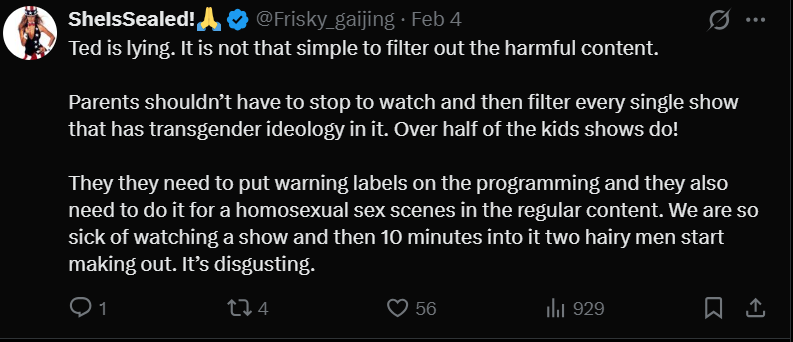
The reaction from parents to Hawley’s post on X (formerly Twitter) has been intense, emotional, and sharply divided. Looking closely at the responses under his post, a few clear patterns emerge that say a lot about where families are right now.
First, there is a strong current of frustration rooted in trust. Many parents express the feeling that large media companies no longer respect their role as primary decision-makers. Their comments suggest a belief that values are being slipped into entertainment quietly, without clear warnings or meaningful opt-outs. For these parents, the issue is less about politics and more about control.
Second, there is fear mixed with confusion. A noticeable number of replies reflect parents struggling to keep up with what their kids might encounter online. A user noted: “My daughter, who is over 4 years old, likes to watch the Jurassic Park animated series on Netflix. Then my wife and I noticed that two girls in the show were in a romantic relationship. I had to cancel my Netflix subscription.” Here are some top reactions:

The Bigger Battle Over Kids, Culture, and Control
The clash between Hawley and Netflix goes far beyond one company or one senator. It reflects a broader struggle over who shapes children’s values in the digital age. Streaming platforms now reach kids more often than schools, churches, or even extended family. That reality makes every creative decision feel political.
Parents are left in the middle. Some want stricter limits on what streaming services offer to children. Others prefer tools that let families choose for themselves without government involvement. Hawley’s approach leans toward public pressure and potential regulation, while Netflix favors consumer choice and content warnings.
What makes this fight especially intense is the emotional weight of the subject. Gender identity, childhood innocence, and sexuality are deeply personal topics. When they collide with entertainment designed for kids, the reaction is rarely calm or nuanced.
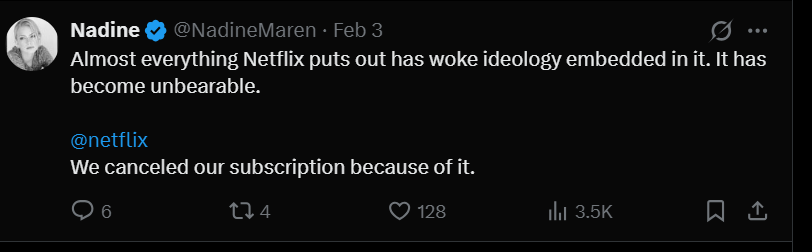
Netflix is unlikely to change course anytime soon. The company has made inclusion a core part of its brand and has stood firm during previous controversies. Hawley, meanwhile, shows no sign of backing down. Calling out major corporations fits his broader message that powerful institutions are ignoring the values of everyday Americans.
The real question is whether this debate will lead to clearer standards or just louder shouting. As streaming platforms continue to replace traditional media, these conflicts are almost guaranteed to keep coming.
What do you think?