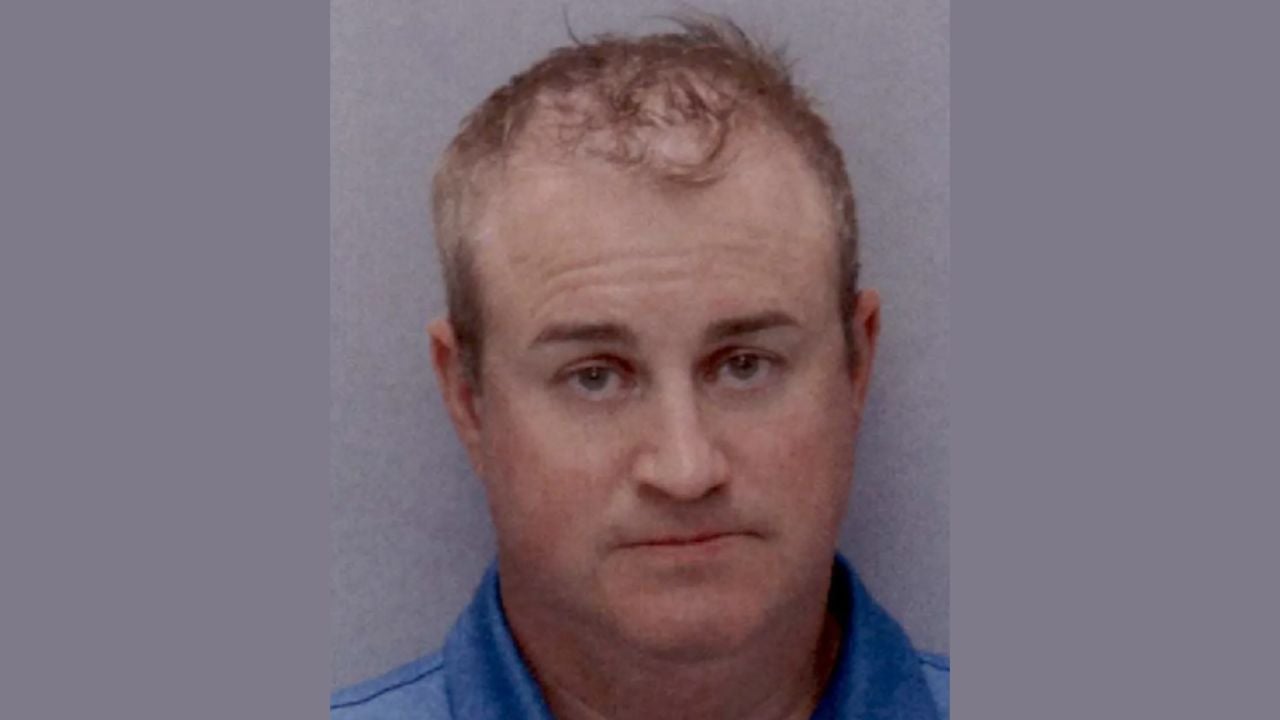
A former Florida financial adviser has been sentenced to six years and eight months in federal prison after turning a $30,000 personal loan from a 75-year-old woman into a fraud that ultimately cost her more than $2 million.
Eric James Stone, 43, of St. Augustine, convinced the woman to make more than 600 transactions over roughly three years while sending her fake emails that appeared to come from attorneys, banks and other organizations.
Stone pleaded guilty to wire fraud and money laundering on March 24. U.S. District Judge Jordan E. Pratt sentenced him to 80 months in prison and ordered him to repay $2,037,103 to the victim, according to the St. Johns Citizen.
Federal prosecutors say Stone spent most of the money on foreign gambling websites. Some of the victim’s money also went toward Stone’s personal travel and debts.
The Scheme Started With a $30,000 Loan

Stone had worked as a financial adviser and used the relationship he developed with the victim to ask her for money. The first $30,000 loan was made on May 4, 2021, while Stone was still working for Fidelity Investments. Court records say he signed a promissory note agreeing to repay $31,000 by May 31.
According to federal prosecutors, Stone eventually began using fraudulent communications purporting to come from attorneys, banks and other organizations to convince the woman that additional payments were necessary.
Fake Investigations Created Reasons for More Payments
Court records describe how Stone kept the victim sending money long after the original loan was supposed to have been repaid. He told her that the original transaction had become the subject of an investigation and that additional costs and fees had to be paid before she could receive the money Stone supposedly owed her.
Stone created fake email accounts and used them to impersonate people connected to those supposed problems. The federal indictment says one account purported to represent a PayPal employee, while another persona was presented as a Florida state investigator. He also sent fabricated communications involving attorneys who were supposedly helping resolve the situation. Each new complication created another reason for the woman to send money.
The repeated explanations convinced the victim to keep transferring money. Stone also directed her to open additional bank and financial accounts, including cryptocurrency accounts, as the scheme continued. The Justice Department’s sentencing announcement described the scheme as lasting approximately three years and confirmed that Stone persuaded the victim to carry out more than 600 transactions.
Most of the Money Went to Gambling
The victim’s money was not being used to resolve the investigations, legal problems or financial complications Stone described. Federal prosecutors said Stone spent most of the more than $2 million on foreign gambling websites. He also used portions of the money for personal travel and to pay his own debts.
The FBI and IRS Criminal Investigation traced the financial activity during the federal investigation. The case also received assistance from the U.S. Postal Inspection Service, U.S. Secret Service, St. Johns County Sheriff’s Office and Florida Department of Corrections.
Fidelity Fired Him Over Concerns About Client Loans
Stone’s problems in the financial industry began years before his federal sentencing. FINRA records show that Stone was registered with Fidelity Brokerage Services in Jacksonville from February 2008 until June 2021. Fidelity discharged him on June 3, 2021, citing concerns involving loans he had solicited and obtained from clients.
FINRA later investigated the circumstances surrounding Stone’s departure. In March 2023, FINRA barred Stone from associating with any FINRA member in any capacity after finding that he failed to fully produce requested documents and did not appear for requested on-the-record testimony. His current BrokerCheck record lists the FINRA bar as permanent.
He Must Repay More Than $2 Million
Stone pleaded guilty on March 24, 2026, to one count of wire fraud and one count of money laundering. On Aug. 20, Judge Pratt sentenced him to six years and eight months, or 80 months, in federal prison. Stone was also ordered to pay $2,037,103 in restitution, matching the loss amount attributed to the victim in the criminal case.
The investigation was conducted by IRS Criminal Investigation and the FBI. Assistant U.S. Attorney John Cannizzaro prosecuted the criminal case, while Assistant U.S. Attorney Clint J. Locke is handling forfeiture matters.
A Financial Adviser Asking a Client for a Personal Loan Is a Major Warning Sign
FINRA identifies requests for personal loans as a warning sign. Its rules generally restrict registered financial professionals from borrowing from customers except under specific circumstances and subject to their firm’s written procedures. Clients can also check the professional’s background through FINRA BrokerCheck and, when applicable, the SEC’s Investment Adviser Public Disclosure database.
Repeated requests for additional money to recover an earlier payment are another reason to stop. A claim that taxes, attorney fees, bank charges, investigations or other expenses must continually be paid before previously promised money can be released resembles an advance-fee fraud pattern.
Someone who has already sent money should avoid making another payment solely because it is presented as the only way to recover what has already been lost. Preserve emails, texts, bank records, cryptocurrency information and payment instructions, contact the financial institutions involved and report suspected fraud to law enforcement.
Anyone who believes they were victimized by Stone can also contact the FBI’s Jacksonville Field Office, which previously asked potential additional victims to come forward during the federal investigation.