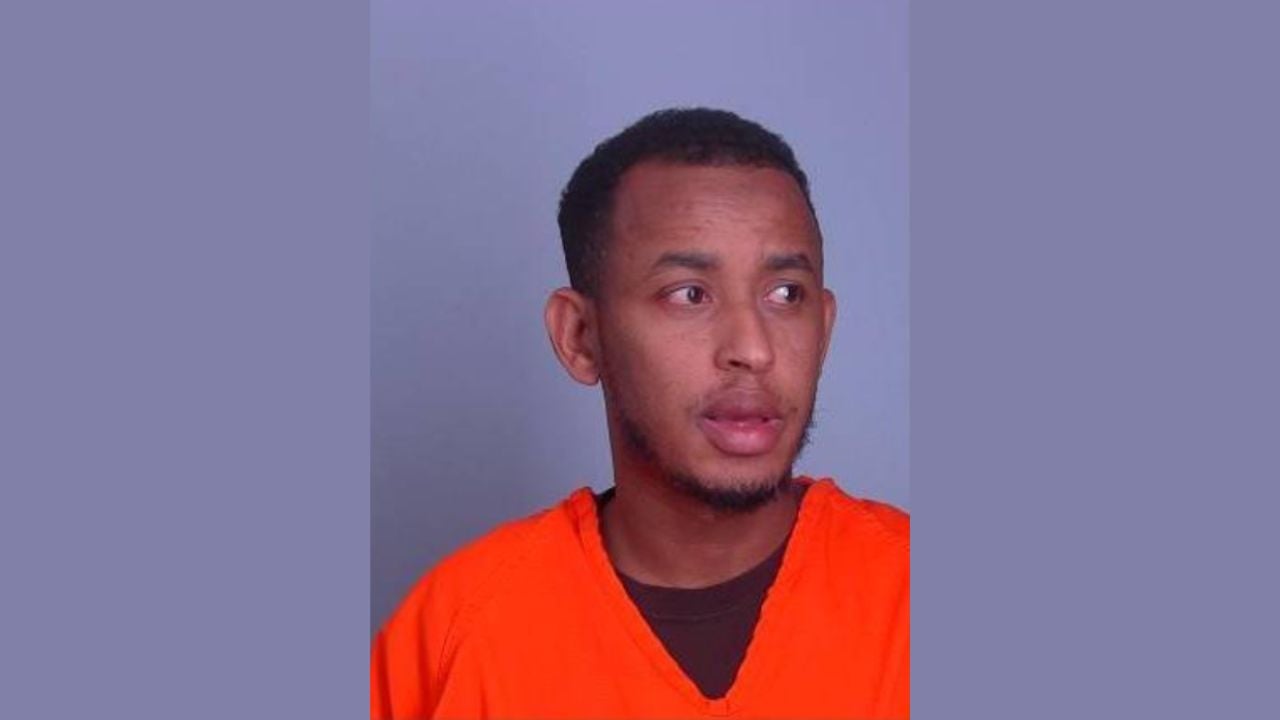
A Minnesota nonprofit meal site claimed it served 6,000 meals to children every day, seven days a week, more than twice the entire population of the town where it operated.
Abdirashid Bixi Dool, 36, has now pleaded guilty to wire fraud for his role in submitting false meal counts, inflated food invoices, and fabricated rosters through two organizations sponsored by Feeding Our Future.
The two meal sites claimed more than 505,000 children’s meals and received nearly $1.1 million in federal child-nutrition funds. Federal prosecutors said they served only a fraction of the meals reported.
The Two Nonprofits Claimed More Than 505,000 Meals
Dool co-operated and served on the boards of Bilaal Mosque Inc. and Multicultural Resource Center Inc., according to the Justice Department’s original charging announcement. He was also president of the Multicultural Resource Center.
The organizations participated in the Federal Child Nutrition Program under the sponsorship of Feeding Our Future. Bilaal operated a meal site in Pelican Rapids, while the Multicultural Resource Center operated another in Moorhead.
According to Dool’s guilty plea, he and his co-conspirators submitted fraudulent reimbursement claims on behalf of the nonprofits from approximately March through December 2021.
Between March 2021 and February 2022, the two organizations claimed they had served more than 505,000 meals to children. Those submissions caused the Minnesota Department of Education to pay nearly $1.1 million in federal funds to the nonprofits.
One Site Reported 6,000 Meals Every Day
Federal prosecutors noted that the daily total was more than twice the entire population of Pelican Rapids, including children and adults. Across the two sites, Dool sometimes reported that more than 40,000 meals had been served in a single week.
The U.S. Attorney’s Office said the actual number of meals served was only a fraction of what the organizations reported. Prosecutors did not provide a final count of the legitimate meals or specify how many children actually received food from either location.
Names Were Duplicated and Changed on the Meal Rosters
Dool admitted knowingly submitting falsified meal-count sheets, inflated food-purchase invoices, and fabricated rosters listing children who supposedly received meals.
According to FOX 9’s review of the plea agreement, Dool repeatedly duplicated names on the rosters and changed ages or spellings to make the entries appear to represent different children.
The wire-fraud count involved a Dec. 1, 2021, email in which Dool sent fabricated attendance rosters to himself. The plea agreement also said he used Smart Drive LLC to submit inflated invoices for food purchases. Those documents made the meal sites appear to be buying enough food and serving enough children to justify the reimbursement requests.
Dool Agreed to Restitution and Property Forfeiture
Dool pleaded guilty on July 13, 2026, to one count of wire fraud involving more than $330,000. The Justice Department identified him as the 70th defendant convicted in the wider Feeding Our Future investigation. The department initially published a lower defendant count but updated its July 21 announcement to correct the number to 70.
Dool agreed to pay at least $330,472 and no more than $356,514 in restitution, according to the plea agreement. He also consented to a forfeiture judgment within that range and agreed to forfeit real estate in Pelican Rapids. Wire fraud carries a maximum statutory penalty of 20 years in federal prison. A federal judge will determine Dool’s sentence at a later hearing.
USDA Accepts Reports About Suspicious Meal Claims
The U.S. Department of Agriculture specifically identifies false meal counts, claims involving nonexistent participants, fake feeding sites, and the use of reimbursement money for personal expenses as forms of nutrition-program fraud.
People with information about suspected large-scale misuse can file a report through the USDA Office of Inspector General’s online hotline or call 800-424-9121. Reports may be submitted anonymously.
USDA asks tipsters to provide the feeding site’s name and location, the people or organizations involved, an explanation of what occurred, and any available receipts, screenshots, photographs, messages, or witness information.