
A former U.S. Postal Inspector who led a unit investigating lottery scams targeting older adults has agreed to plead guilty to 44 federal counts in a case accusing him of taking more than $330,000 from packages mailed by scam victims.
Scott Kelley, 52, allegedly redirected approximately 1,950 parcels that postal systems had flagged as likely containing money sent to scammers. Prosecutors said he selected packages that appeared to hold cash, opened them and kept the money.
The government alleges Kelley later concealed the cash through postal money orders and more than 60 bank deposits while spending it on home improvements, Caribbean cruises and escorts.
Packages Flagged to Protect Scam Victims Were Redirected to Kelley
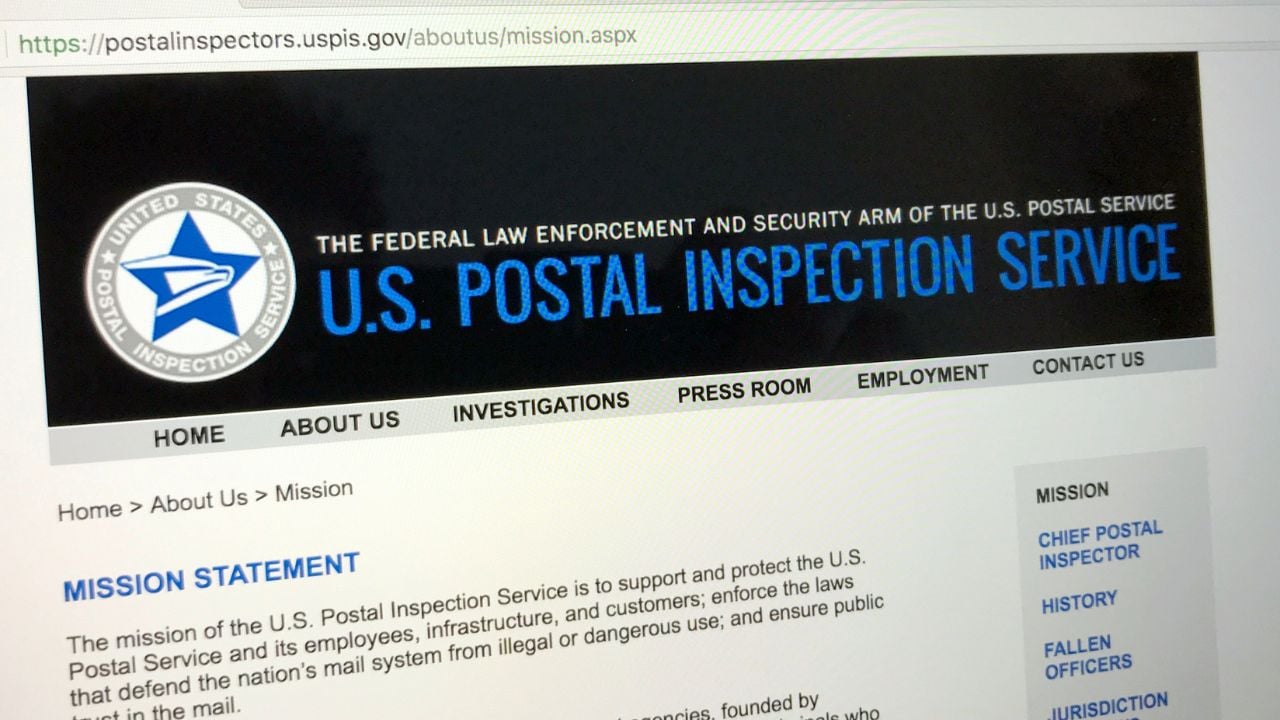
Kelley worked at the Boston Division headquarters of the U.S. Postal Inspection Service, the Postal Service’s federal law-enforcement arm. In 2015, he became team leader of the Mail Fraud Unit, which investigated lottery and other schemes targeting seniors and vulnerable residents, according to the U.S. Attorney’s Office for the District of Massachusetts.
The Postal Inspection Service operated a program called Jamaican Operations Linked to Telemarketing, or JOLT, to disrupt scams in which victims were told they had won lotteries or sweepstakes but needed to mail cash for supposed taxes or fees.
Postal employees could intercept packages identified as likely scam payments. Inspectors were permitted to open a parcel only with the sender’s consent. If cash was found, two inspectors were supposed to count it before converting the money into an official check payable to the sender.
Between January 2019 and Aug. 11, 2023, prosecutors say Kelley sent deceptive emails directing unwitting postal employees to forward approximately 1,950 intercepted packages to him. He allegedly opened parcels that looked or felt as though they contained cash and kept the money rather than returning it to the senders.
Seven Identified Victims Had Already Been Targeted by Scammers
The indictment identifies seven people whose packages Kelley allegedly intercepted. Their average age was 75, and the oldest was 82. Each had already been persuaded by outside scammers to mail between $1,400 and $19,100.
Prosecutors said none recovered the package or the cash inside. One of those victims later met Kelley while trying to locate a missing $5,400 payment.
The indictment alleges that Kelley said he did not know what had happened to the parcel and blamed the victim for mailing cash. One of the seven identified victims died after Kelley was indicted, according to the Justice Department’s latest announcement.
Prosecutors Traced Nearly $340,000 in Deposits and Spending
The indictment alleges that Kelley deposited and spent almost $340,000 in cash while using several methods to conceal where the money came from. Nearly $160,000 was converted into postal money orders. Many were deposited into Kelley’s accounts or used to pay credit-card bills.
On more than 20 money orders, Kelley allegedly listed relatives as the purchasers to conceal that he was both buying and receiving them. Prosecutors also traced more than $130,000 in cash deposits across four accounts at two banks. The deposits were divided among more than 60 dates, allegedly to avoid attracting attention from the financial institutions.
The listed personal spending included $20,500 for a pool patio, $2,000 to heat the pool, $2,800 for a granite countertop on an outdoor bar and $4,888 for lighting around the pool and bar. Authorities also attributed $4,300 to expenses during three Caribbean cruises and $15,400 to sexual services provided by two escorts.
Kelley Agreed to Plead Guilty to 44 Counts
Kelley has agreed to plead guilty to five counts of wire fraud, five counts of mail fraud, five counts of mail theft by a postal officer, 23 counts of money laundering, one count of structuring to evade federal reporting requirements and five counts of filing false tax returns.
The 44 counts represent all but one charge in the original indictment. The plea agreement does not include the theft-of-government-money count tied to a separate allegation that Kelley took $7,000 from a Postal Inspection Service evidence locker and blamed the missing cash on an inspector who reported to him.
A plea agreement does not become a guilty plea until it is entered in court and accepted by the judge. U.S. District Judge Allison D. Burroughs scheduled Kelley’s change-of-plea hearing for 1 p.m. on July 29, 2026. Wire fraud, mail fraud and money laundering each carry maximum possible prison terms of 20 years per count, although Kelley’s sentence will be determined later under federal sentencing law and guidelines.
The Victims Had Already Been Pulled Into Lottery Scams
The people whose packages were intercepted were not ordinary prize winners. Prosecutors said they were victims who had already been convinced by outside scammers to mail cash for supposed lottery or sweepstakes taxes, fees, or other charges.
The Federal Trade Commission warns that a legitimate prize does not require the winner to pay money upfront. A demand for cash, gift cards, cryptocurrency, wire transfers, or mailed payments before winnings are released is a sign that the prize is fake.
For families, the mailing step is especially important. If an older relative says they need to send cash for taxes, customs fees, processing costs, insurance, or prize delivery, the package should not be mailed until the claim is checked independently.
Someone who has already mailed cash should save the tracking number, mailing receipt, destination address, phone numbers, letters, emails, texts, and every instruction received from the supposed lottery or sweepstakes representative. Mail fraud can be reported to the U.S. Postal Inspection Service or by calling 1-877-876-2455.
The U.S. Attorney’s Office has asked anyone who believes they may be a victim in Kelley’s case to contact its victim-assistance staff at USAMA.VictimAssistance@usdoj.gov.