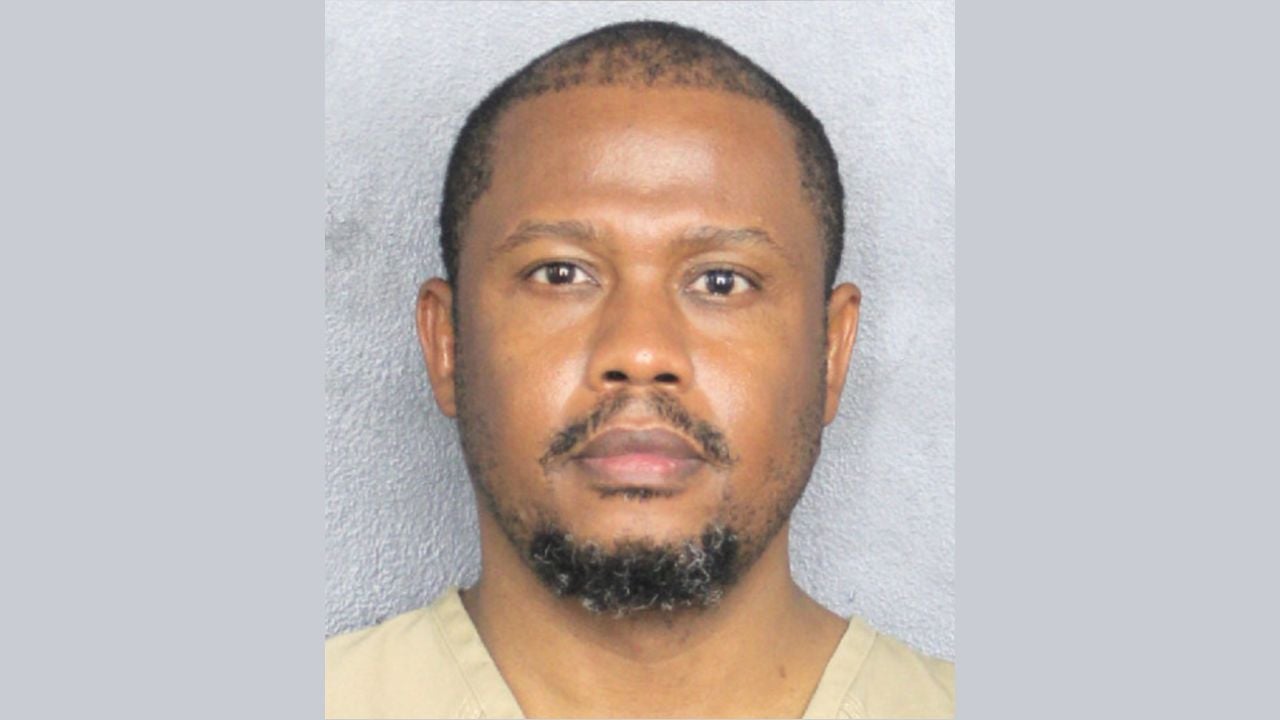
Eleven investors handed Marc Henry Menard more than $600,000 after he promised monthly returns reaching as high as 20%.
Instead of generating the profits he advertised, Menard transferred investor money into his personal trading accounts, lost more than $670,000 through high-risk trading and used additional funds to repay earlier investors and cover personal expenses.
Menard targeted members of Haitian communities in New York, Florida and Georgia through his company, Marcotech LLC. The Florida resident was sentenced to five years of probation rather than prison, according to the New York Attorney General’s Office.
He was also prohibited from participating in the securities industry for five years. Menard admitted that he still owed investors a combined $385,271, and the court entered judgments against him for those amounts.
He Promised Monthly Returns of Up to 20%
Menard operated the scheme from July 2020 through June 2023. He solicited investments from members of Haitian communities in Nassau, Suffolk, Rockland and Queens counties in New York, as well as people living in Florida and Georgia.
He presented himself as an experienced and highly successful trader of stocks and cryptocurrencies. Menard was not registered to offer or sell securities, but he told investors that Marcotech could produce monthly returns ranging from 12% to 20%.
He also promised investors higher returns if they recruited additional people to contribute money. The offer allowed Menard to attract new funds through personal and community relationships while presenting Marcotech as a successful investment operation.
His Trading Accounts Lost More Than $670,000
After collecting the investments, Menard deposited a portion of the money into his personal trading accounts. He used the funds for high-risk day trading and options trading. The Attorney General’s Office said his trading losses exceeded $670,000 between July 2021 and October 2022.
Menard also used hundreds of thousands of dollars from investors to make payments to earlier participants. Those payments helped create the appearance that Marcotech was generating the returns he had promised even as his trading produced substantial losses.
Fake Screens Showed Millions That Were Not There
Menard reinforced his claims of financial success by showing investors a fraudulent ATM receipt displaying a bank balance of more than $8 million. He also presented a fake trading screen that appeared to show an account worth more than $1 million.
Investigators determined that Menard’s trading account never exceeded a net value of $240,000 during the period examined. His highest bank account balance was $301,000.
Investors relied on the false displays and continued contributing money because they believed their investments were producing significant profits.
More Than $100,000 Paid for Trips, Cars and Luxury Goods
Menard spent more than $100,000 of investor money on personal travel and expensive purchases. The spending included trips to Turkey, Puerto Rico and Disney World, as well as a 2021 Mercedes-Benz and a 2022 BMW.
Investor funds also paid for purchases from luxury retailers including Gucci and Louis Vuitton. The expenses occurred while investors believed Menard was managing their money through a profitable stock and cryptocurrency trading business.
The Guilty Plea Ended With Probation, Not Prison
Menard pleaded guilty on April 17, 2026, in Nassau County Supreme Court to second-degree grand larceny, first-degree scheme to defraud and securities fraud. He was sentenced July 30 to five years of probation.
The court also prohibited him from participating in the securities industry for five years. Menard admitted that he owed his victims a combined $385,271, and judgments were entered against him in their favor.
Check the Seller Before Handing Over Investment Money
Before investing, consumers can use FINRA’s BrokerCheck to determine whether a person or company is registered to sell securities or provide investment advice and to review available employment and disciplinary records.
Investors should also request written information explaining how the investment works, where the money will be held, what fees apply and how funds can be withdrawn. Account balances should be confirmed directly through an independent financial institution rather than screenshots, receipts or trading displays supplied by the promoter.
The New York Attorney General advises consumers not to wire money, send cryptocurrency or provide cash to people they have not independently vetted. Anyone who suspects investment fraud should preserve contracts, payment records, account statements and communications and submit a complaint through the office’s finance and investment complaint system.