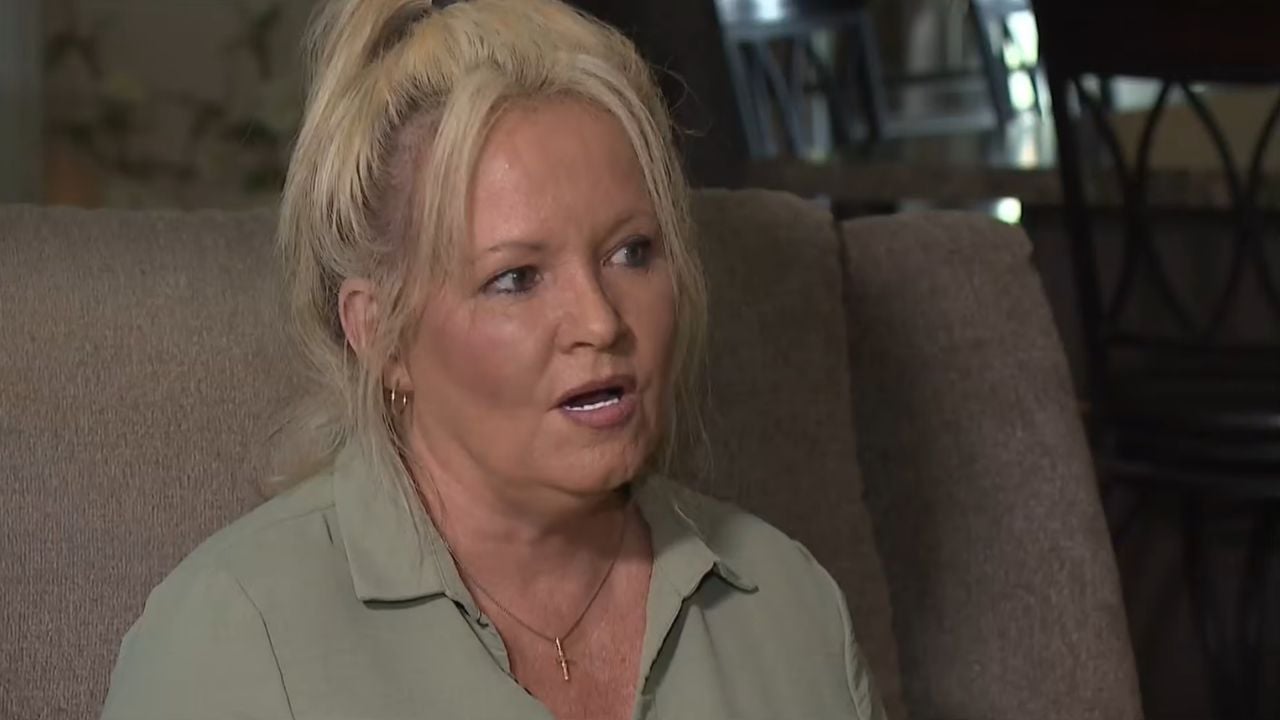
A Florida grandmother nearly sent $1,500 after receiving an urgent call from someone who sounded like her grandson, a newly enlisted Marine who had left for boot camp about one week earlier.
The caller claimed he had been in a car crash, treated at a hospital and arrested for driving under the influence. He warned that he could lose his military career unless he returned to his barracks before 8 a.m.
Tina Weaver was offered two ways to send the money immediately, Venmo or PayPal.
She contacted her daughter instead and stopped before completing either payment.
The Caller Sounded Enough Like Her Grandson
Weaver’s grandson had recently left Pensacola for Marine boot camp when the unexpected call arrived, according to WEAR News. The caller addressed her as his grandmother and immediately said he needed help. Weaver initially believed she recognized the voice and focused on what she needed to do for him.
As the conversation continued, she began noticing differences in the way the person sounded. The emergency story also gave her little time to evaluate whether its details made sense.
He Claimed One Payment Could Save His Military Career
The caller said he had been involved in a car wreck and had just left the hospital when authorities arrested him for driving under the influence. He then tied the supposed emergency to the grandson’s new military career. Unless he returned to his barracks before 8 a.m., the caller claimed, he could lose that career.
The requested payment was $1,500. Venmo and PayPal were presented as ways Weaver could transfer the money without delay. Weaver called her daughter before sending anything. Her daughter warned that the call was probably fraudulent, and the $1,500 payment was never completed.
Military Consumers Reported at Least $684 Million in Losses
A July 2026 alert from the New York Department of State cited Federal Trade Commission data showing that reported scams affecting the military community increased 17% in 2025 compared with 2024.
Veterans, service members and their families filed 35,215 fraud reports involving at least $684 million in reported losses during 2025. The figure covers multiple types of fraud and is not limited to grandparent or family-emergency calls.
The state identified imposter scams among the types of fraud frequently reported by the military community. Military status, deployments, relocation and information shared by proud relatives can give scammers details they can use to make an approach sound timely. Suspected calls can be reported through ReportFraud.ftc.gov or the Military Consumer reporting page.
A Familiar Voice Does Not Verify an Emergency
The Federal Trade Commission warns that family-emergency scammers may know names, locations and other personal details found through social media, compromised accounts or public information.
Some also use voice-cloning technology. A short recording taken from a video or other online post may be enough to produce audio that resembles a relative. The FTC advises recipients not to trust the voice alone. The safest response is to end the call and contact the supposed relative through a telephone number already known to belong to that person.
If the relative cannot be reached, another family member or trusted friend should be contacted independently. A recipient who remains on the line can also ask a question whose answer is not easily found through social media. However, hanging up and placing a separate call through a verified number avoids relying on the scammer’s responses.
Venmo and PayPal Payments Can Move Quickly
Payment apps are useful to scammers because money sent voluntarily can reach the recipient quickly and may be difficult to recover. Venmo states that payments generally reach the recipient’s account immediately. Anyone who sent money as part of a suspected scam should contact Venmo Support through the app as soon as possible and notify the bank or card issuer that funded the transfer.
PayPal users should report the payment through the company’s official Help or Resolution Center and contact the connected bank or card issuer. Reporting a payment does not guarantee reimbursement, particularly when the account holder authorized the transfer.