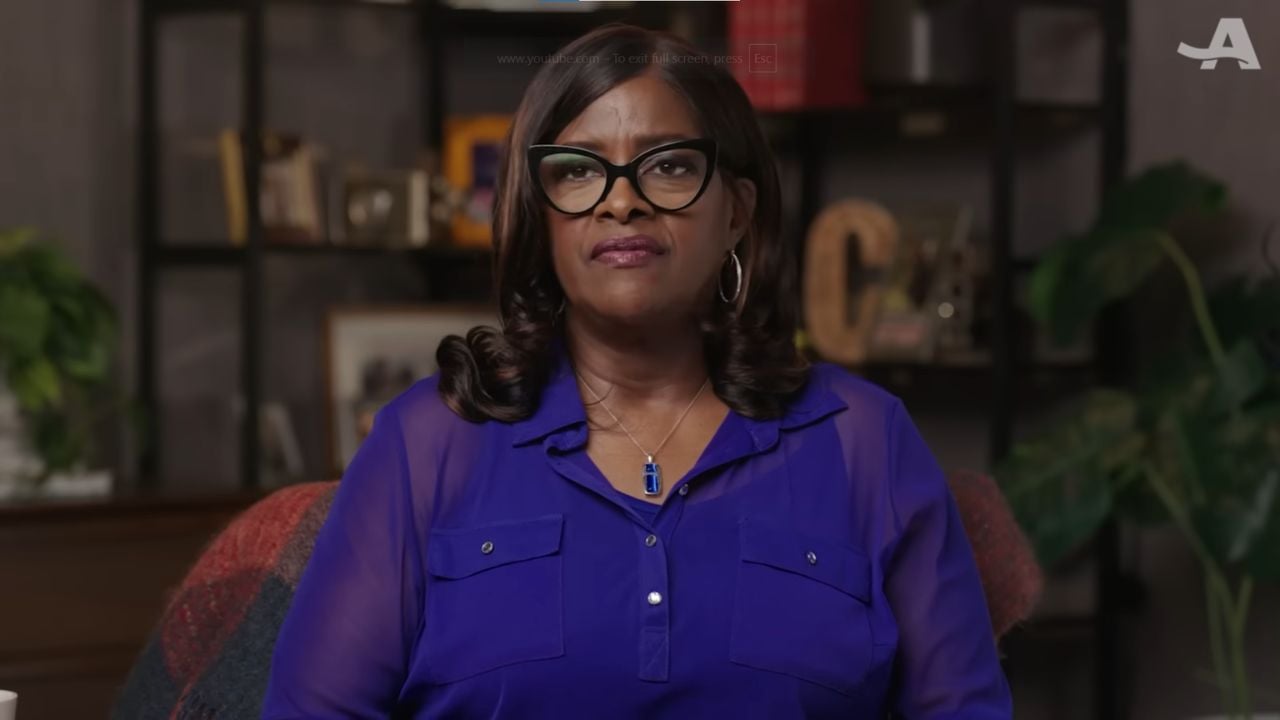
Jackie Crenshaw was approaching retirement with a strong 401(k), healthy investments, and a long career in health care behind her. Then an online romance turned into a crypto investment scam that she says cost her about $900,000.
Crenshaw, 61, of East Haven, Connecticut, told Business Insider that she was preparing for the next stage of life when she joined the dating app BLK in 2023. She connected with a man who called himself Brad Miller and presented himself as a widowed contractor with two young sons.
The relationship did not begin with a money request. They spoke on the dating platform for a few weeks, then moved to phone calls and texts. He sent food deliveries, gifts, prayers, photos, and talk about a future together before steering the conversation toward cryptocurrency.
Crenshaw said she eventually moved retirement savings, other investments, and home equity into crypto wallets after the man and a supposed broker showed her screenshots that made the money look as if it was growing.
The Romance Moved Off The Dating App
Crenshaw told Business Insider that the man asked for her address so he could send flowers for her birthday. He later sent food deliveries, small gifts, and photos that made the relationship feel personal, while repeatedly saying he could not meet because of work or other problems.
The Connecticut Attorney General’s Office and AARP later featured Crenshaw’s story in a public service announcement about online exploitation of older adults. Their January warning said romance scammers often try to move conversations away from dating platforms, where suspicious activity may be monitored, and into private texts, calls, or emails.
For anyone using a dating app, that is the point to slow the conversation down rather than move money faster. Connecticut officials advise staying on the platform, taking time to verify the person’s identity before sharing personal details, and insisting on meeting in person before money, crypto, gift cards, or financial accounts become part of the relationship.
The Investment Pitch Came After Trust Was Built
According to Business Insider, the conversation eventually shifted to money and the couple’s supposed future. The man introduced Crenshaw to an online broker named Maximilian, who helped her set up a cryptocurrency wallet, and she said she first transferred $40,000 from her 401(k).
Crenshaw said the screenshots she received made it look as if the investments were growing. The man also sent images of what appeared to be his own account, claiming it held millions, and told her he wanted her to “catch up” with him.
The Federal Trade Commission tells consumers not to mix online romance and crypto investing. The agency says an online love interest who offers investment advice or asks for money to invest in cryptocurrency is running a scam.
A $100,000 Check Made The Scam Look Real
Business Insider reported that the man later sent Crenshaw a $100,000 check, saying it came from someone who owed him money for contracting work. Crenshaw said she searched the woman’s name online and saw a connection to a construction firm, then contacted the woman’s bank and was told the check was real.
She deposited it weeks later and said she followed instructions to convert the funds into cryptocurrency, along with money from her retirement savings and other investments. In earlier public warnings about Crenshaw’s case, the Connecticut Attorney General’s Office said the check was part of the lure, not proof that the investment was legitimate.
The state warning says that should always talk to a financial adviser or another outside professional who is not connected to the person making the pitch before moving serious money. Connecticut officials said people should not rely on their own research or advice from a crypto-pushing romantic interest, especially when that person objects to outside review.
The Scam Reached Her Retirement And Her Home Equity
Crenshaw told Business Insider she eventually took out a home equity loan on her condo so she could invest more money. She also said the scammer encouraged her to plan a yacht party for her 60th birthday and sent money for deposits, which she then sent to vendors by cashier’s check.
By June 2024, local police contacted her after receiving an anonymous call from someone who believed she was being scammed. Crenshaw later contacted state police with extensive records, and she told Business Insider that one state trooper traced e-wallets to Singapore and Nigeria. The criminal case is ongoing.
Anyone in Connecticut who believes an older adult is being financially exploited can contact the state’s Elder Justice Hotline at 860-808-5555. AARP also runs its Fraud Watch Network Helpline at 877-908-3360 for people who need help with scam questions or next steps.
The Loss Was Financial And Personal
Crenshaw said she lost about $900,000 from her savings and is liable for taxes on part of the retirement money she withdrew. She also said her home is in jeopardy and that retirement is no longer something she can plan with confidence.
The Connecticut Attorney General’s Office said Crenshaw borrowed from her retirement account and took a loan against her home after the fake love interest encouraged her to invest in cryptocurrency. The office and AARP launched the PSA featuring her story in January as a warning about online exploitation of older adults.
Business Insider reported that Crenshaw is now working with AARP as a “fraud fighter” and continues to speak publicly about what happened. She said she still works because of the money that was taken and because the retirement she had been preparing for is no longer secure.