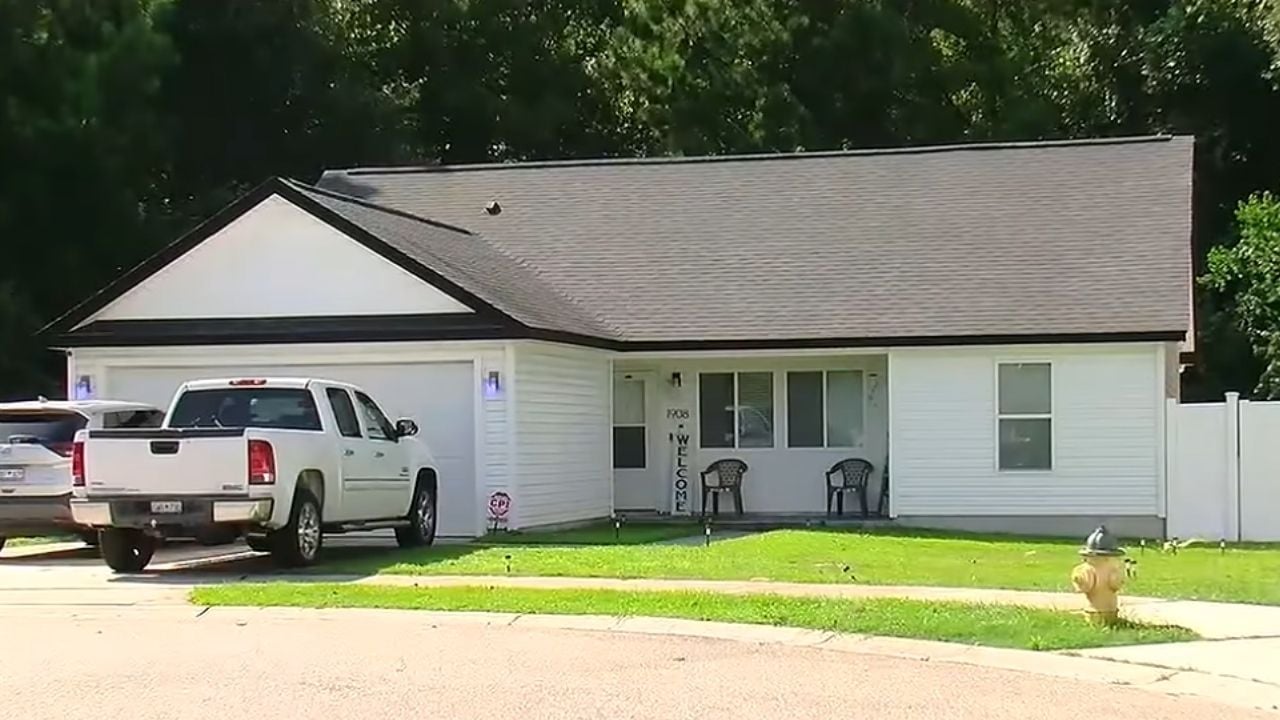
A South Carolina woman says she discovered that her father’s caregiver had become his power of attorney and received the deed to his home for $5 shortly before his death, while bank records also showed transfers from his account to the caregiver.
Nora Rowland said Sarah Smalls began caring for her 75-year-old father, Robert Rowland, through Griswold Home Care in March 2024. Robert had Parkinson’s disease and a brain injury, and his daughter said communication with him became increasingly difficult after Smalls entered his life.
Documents reviewed by WMBF News show Smalls was named Robert’s power of attorney in April 2024. On April 17, a quitclaim deed transferred his Conway home to Smalls for a stated consideration of $5.
Rowland is challenging the deed, while Conway police investigate the circumstances surrounding the property transfer and her father’s affairs. As of the latest public reporting, no criminal charge against Smalls had been announced.
Her Weekly Calls With Her Father Became Less Frequent
Rowland lives in Maryland and said she and her father had regularly FaceTimed every week. After Smalls began caring for him in March 2024, Rowland said those conversations became less frequent. By the end of that month, Robert had moved into a senior living facility.
Rowland said she became especially concerned when she did not hear from him on Father’s Day and drove from Maryland to Conway to check on him herself.
She Arrived at the House and Learned Her Father Had Been Dead for Three Days
When Rowland reached her father’s home, she said the front door had been changed and a Ring doorbell had been installed. She pressed the doorbell, and Smalls answered through the camera. Rowland said that was when she learned her father had died three days earlier.
Rowland entered through a window she said had been kept unlocked for emergencies and found significant changes inside the home, including freshly painted walls and photographs of people she did not recognize.
Smalls later returned and called Conway police. Rowland said officers initially treated her and her partner as trespassers after Smalls produced a deed showing the property in her name. According to Rowland, the criminal charges filed against her were later dismissed.
The April 17 Deed Transferred the House for $5
WMBF reported that Smalls was named Robert’s power of attorney in April 2024 and that a quitclaim deed dated April 17 transferred the Conway property to her for $5.
Horry County Registrar of Deeds Marion Foxworth III told WMBF that his office determines whether documents meet the requirements for recording, not whether the underlying transaction was fair or whether the person signing fully understood its consequences.
Rowland said her father had been classified as a vulnerable adult and questions whether his medical condition left him capable of understanding what he signed. A court has not yet resolved the validity of the deed.
The dispute extends beyond the house. Bank statements reviewed by WMBF showed transfers from Robert’s account to Smalls, including transactions recorded after his death. No court has found that Smalls financially exploited Robert.
A Neighbor Had Already Reported Concerns About Robert
Police body-camera footage captured a neighbor telling officers that he had become worried about Robert before his death. The neighbor said he had seen furniture being moved from the property and believed Robert was not fully capable of protecting his interests. He told officers he had contacted senior services about his concerns.
WMBF also contacted Griswold Home Care about Smalls’ connection to Robert. The company initially said it had no knowledge of the situation.
Rowland later provided WMBF with documents obtained through subpoena that she said contradicted that response. The company did not respond to the station’s subsequent requests for comment before the latest report was published.
Police Are Investigating, but No Criminal Charges Have Been Announced
Conway police confirmed that the matter is under investigation. Smalls told WMBF reporters who approached her about the deed and power of attorney to contact her attorney. She did not provide the attorney’s information and called police when the news crew came to the property.
The investigation does not establish that a crime occurred. Smalls has not been arrested or charged in connection with the deed, bank transfers or Robert’s care.
Rowland continues to challenge the property transfer. Whether Robert knowingly authorized the deed, whether the power of attorney was properly used and whether any financial transactions constituted exploitation remain unresolved.
Families Can Monitor Powers of Attorney, Bank Activity and Property Records
A power of attorney can give another person significant control over finances and property, but South Carolina law treats the agent as a fiduciary. Under the South Carolina Uniform Power of Attorney Act, an agent generally must act in the principal’s best interest and in good faith, avoid conflicts that interfere with acting impartially and maintain records of transactions made for the principal.
The law also places limits on self-benefiting transactions. Certain actions, including making gifts or creating an ownership interest in the principal’s property for the agent, require specific authority and are subject to additional restrictions. Families concerned about an existing power of attorney can consult an elder-law or probate attorney to determine exactly what authority the document grants and whether court review is appropriate.
Bank statements should also be reviewed for new transfers, unusual withdrawals or payments to caregivers and other people who have recently gained financial access. Keep copies of the power of attorney, account records, deeds, contracts and communications if questions arise.
Property owners in Horry County can enroll in the county’s free Recording Notification Service. The system sends an email alert when a document such as a deed or mortgage is recorded under a registered name, giving owners or families an opportunity to investigate unexpected filings quickly.
Suspected abuse, neglect or financial exploitation of a vulnerable adult in a community setting can be reported to the South Carolina Department of Social Services Adult Protective Services at 1-888-227-3487. Immediate suspected criminal conduct can also be reported to local law enforcement.