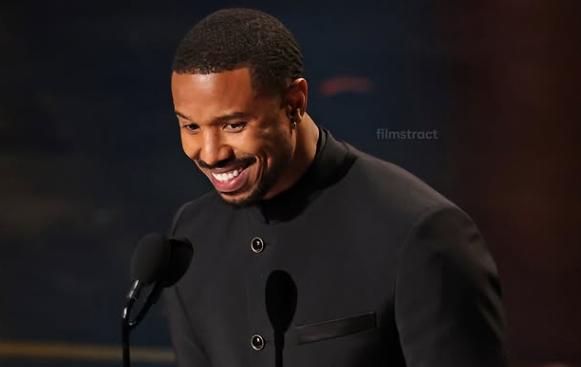
On a night already heavy with cinematic history, Michael B. Jordan stepped onto the stage at the 98th Academy Awards. It delivered the kind of speech that tends to linger long after the cameras stop rolling.
Accepting the Best Actor Oscar for his blistering performance in Sinners, Jordan paused for a moment, looked out at the crowd, and grounded the moment in something larger than himself.
I stand here because of the people that came before me,” he said, honoring the lineage of artists who cracked open doors that had once seemed permanently sealed. It was a simple sentence, but it landed with the weight of decades.
Because in many ways, Jordan’s victory wasn’t just about one actor winning one award. It was about the slow, complicated evolution of Hollywood, and about how a generation raised on the legacies of giants like Sidney Poitier, Denzel Washington, Jamie Foxx, Forest Whitaker, and Will Smith is now reshaping the story.
A Long Time Coming
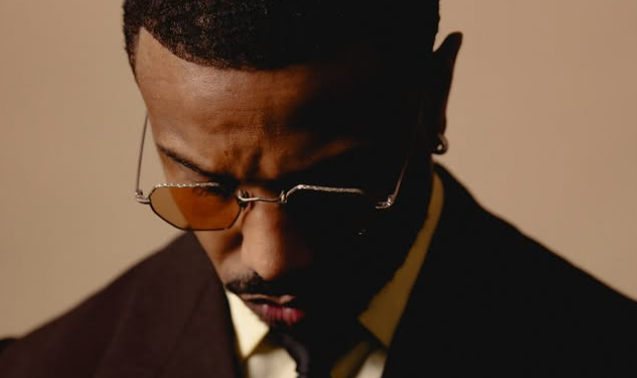
The Newark-born actor first electrified critics with his heartbreaking turn as Oscar Grant in Fruitvale Station, the 2013 drama that introduced the world to a young filmmaker named Ryan Coogler.
Jordan followed that breakthrough with major cultural moments, most notably his magnetic portrayal of the villain Erik Killmonger in Black Panther and his leading role in the Creed franchise. Yet through all that success, Oscar recognition never quite arrived… until this moment.
At 39, Jordan earned his first nomination and first win in the same night, an increasingly rare feat in an industry that often requires performers to collect multiple nominations before finally hearing their name called. And it came for a role that demanded everything.
The Performance That Did It
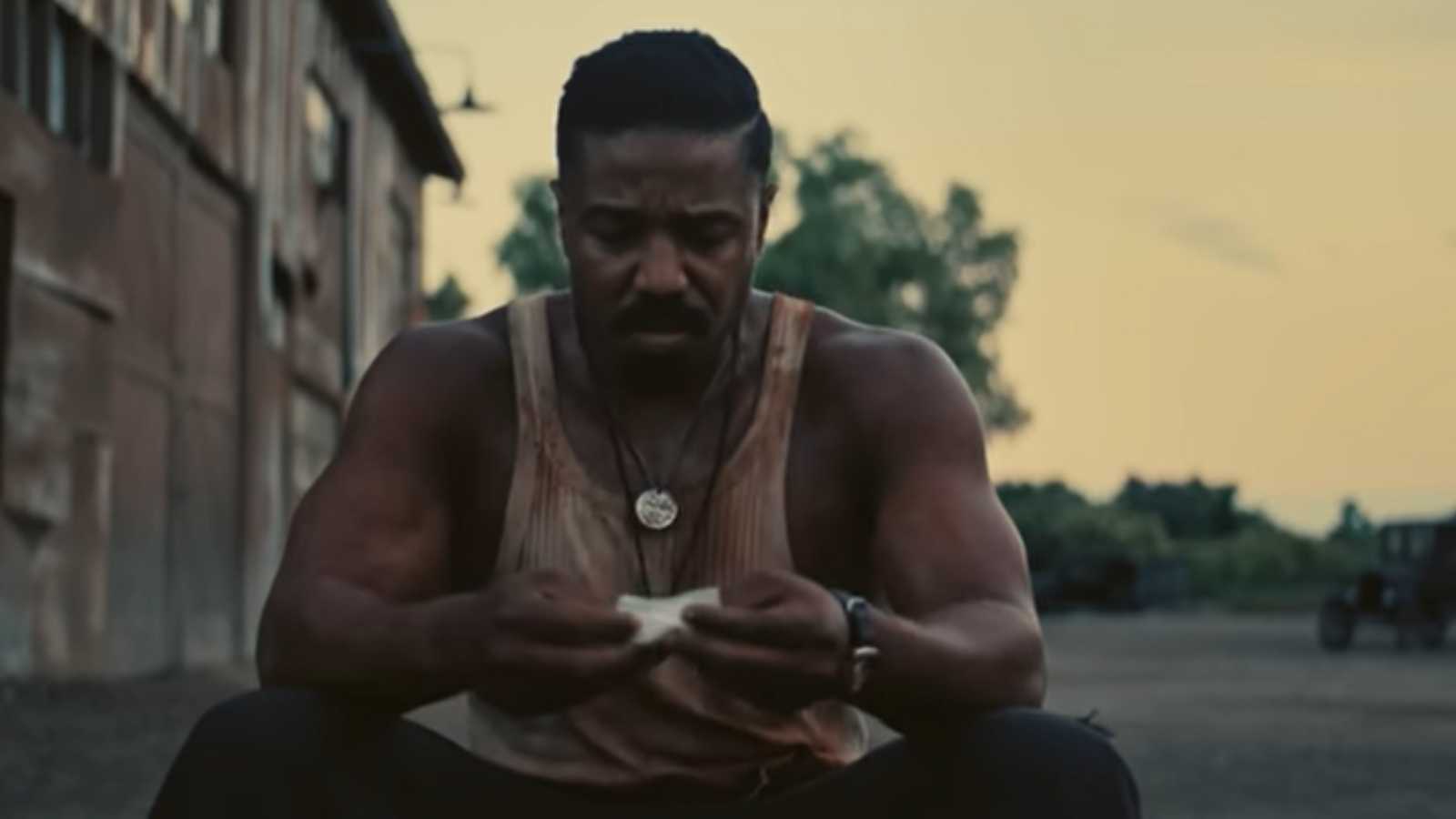
In Sinners, Jordan doesn’t just lead the film; he carries it twice over. Directed by longtime collaborator Coogler, the ambitious Southern gothic epic follows twin brothers Elijah “Smoke” and Elias “Stack” Moore, former mob enforcers who return to their hometown hoping to start over by opening a juke joint.
Instead, they stumble into a supernatural nightmare involving racism, folklore, and a community haunted, literally and figuratively, by its past. Jordan plays both brothers… not as a gimmick, not as a technical trick, but as two distinct, breathing men whose shared history has shaped them in wildly different ways.
It’s a tightrope act, one performance leaning into simmering rage, the other toward quiet moral gravity, and Jordan pulls it off with a kind of swagger that critics spent the entire awards season trying to describe.
The film itself became a juggernaut, leading the Oscars with a record 16 nominations, a milestone that underlined how ambitious Coogler’s project really was.
The Speech That Quieted The Room
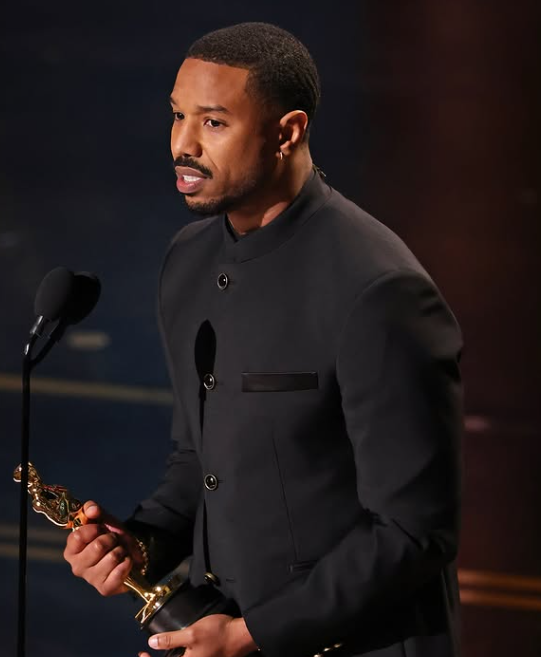
Jordan’s acceptance speech struck a tone that felt both celebratory and reflective. He thanked his parents, his father reportedly traveling from Ghana to witness the moment, and acknowledged collaborators who helped shape the film, including Coogler and co-stars like Wunmi Mosaku and Hailee Steinfeld.
Then came the part that made the room still. He spoke about legacy. About the Black performers who endured exclusion, stereotyping, and outright hostility to exist on the same stage where he now stood. The subtext was clear: his win wasn’t simply personal, it was cumulative.
Jordan joined a remarkably small club. Before him, only a handful of Black men had ever won Best Actor at the Oscars in the nearly century-long history of the Oscars. The applause that followed felt less like a routine ceremony and more like recognition of a long-overdue milestone.
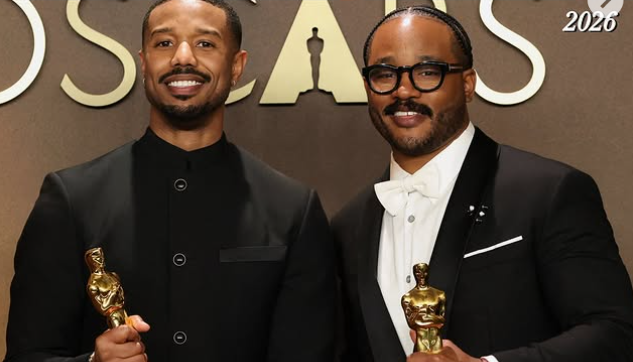
If Hollywood runs on creative partnerships, the bond between Jordan and Coogler has become one of the industry’s most fascinating. Their collaboration now stretches across multiple films, beginning with Fruitvale Station and continuing through Black Panther, Creed, and now Sinners.
Over the years, the director-actor duo has cultivated a creative shorthand that allows them to take risks few studios would normally approve. Sinners is a perfect example. On paper, it’s a strange hybrid: a period horror film, a blues-infused Southern drama, a revenge story, and a meditation on generational trauma.
Critics have described it as part redemption narrative, part blood-soaked genre spectacle, and part love letter to musical storytelling traditions. And somehow, it works.
A Win That Says Something About Hollywood
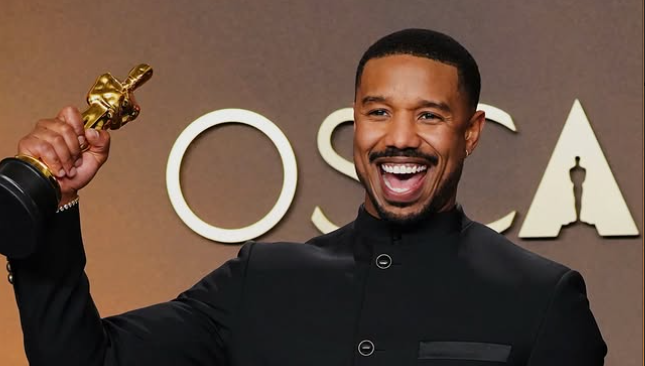
But Jordan’s victory also raises a slightly uncomfortable question… one that tends to hover around the Oscars every year. What took the Academy so long? For over a decade, Jordan has been one of Hollywood’s most bankable and versatile stars.
Yet, the industry often seemed hesitant to reward blockbuster performances or genre storytelling, particularly when those stories centered on Black characters or cultural history. Only when Jordan appeared in a film that combined prestige filmmaking with genre spectacle did the Academy finally embrace him. It’s a victory worth celebrating. But it also exposes the strange rules of Oscar recognition. In other words, Jordan didn’t suddenly become a great actor in 2026. The Academy caught up.
The One Million Dollar Question: Did The Oscars Need Jordan More Than He Needed Them?
Here’s the slightly provocative thought floating around Hollywood this week. Did Michael B. Jordan actually need an Oscar? By nearly every modern metric- box office power, cultural influence, streaming popularity- Jordan had already built the kind of career many Oscar winners never achieve.
He’s led billion-dollar franchises, directed films, produced projects, and helped shape the trajectory of contemporary Black cinema. The Academy, meanwhile, has spent the past decade battling criticism about representation and relevance.
So when Jordan stood there holding the statuette, it almost felt like a mutual validation: the Oscars acknowledging a star audiences already loved, and the star lending the Oscars a bit of cultural gravity in return. It’s not cynical. It’s just the strange ecosystem of modern Hollywood.
What Happens Next
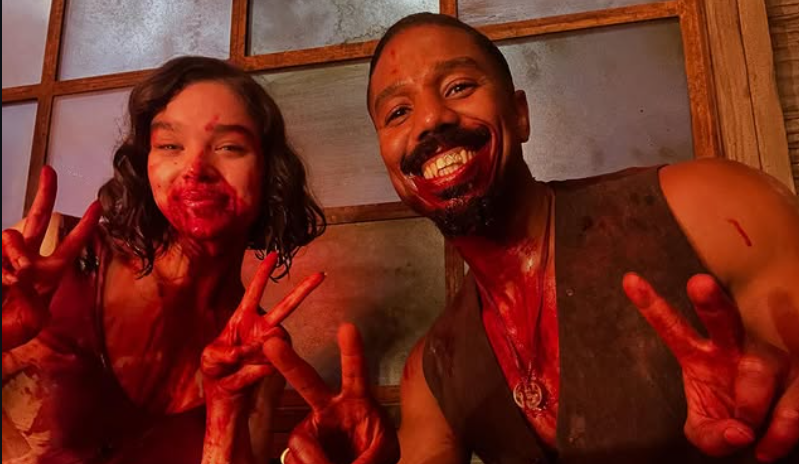
Awards can be a turning point, but they can also be a strange trap. Actors sometimes chase “Oscar roles” for years after winning, hoping to repeat the magic. Jordan doesn’t seem particularly interested in that.
If his career so far is any guide, he’ll probably keep bouncing between blockbuster spectacle, character-driven drama, and producing projects that expand opportunities for new filmmakers. And if his acceptance speech offered any clue, the bigger focus might be legacy.
Not just the one he inherits… but the one he leaves behind. Because when Jordan said, “I stand here because of the people that came before me,” he wasn’t just paying tribute… he was also quietly acknowledging something else, that one day, someone will stand on that same stage and say the same thing about him.