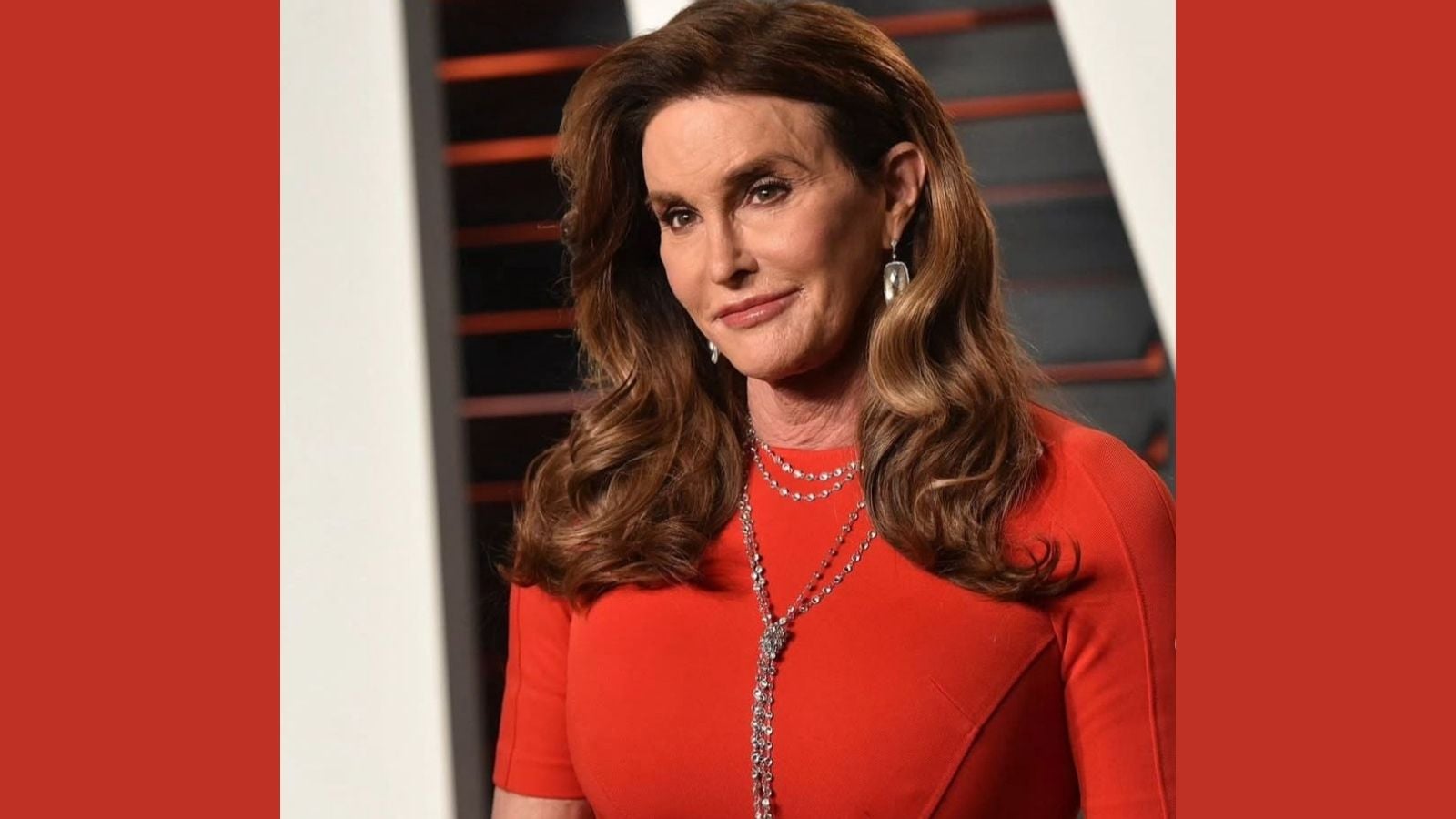
The year was 2024, and somewhere between the MAGA rallies, the reality TV callbacks, and the relentless social media hustle, Caitlyn Jenner decided she wanted a piece of the crypto gold rush. She was not alone.
Celebrities had been stampeding into the meme coin space like it was the last train out of obscurity, dangling digital tokens in front of millions of fans like candy.
But for Jenner, what started as a flashy foray into blockchain culture has snowballed into one of the messiest legal sagas of her post-Olympic life. Now, a 97-page class action lawsuit is sitting squarely in her lap, and the investors who once cheered “to the moon” are demanding their money back, with interest, plus damages.
The details tucked inside that filing paint a picture that is equal parts Hollywood drama and financial cautionary tale. And the deeper you dig, the more this story stops being just about one celebrity and becomes about something far more unsettling: how fame gets weaponized in the Wild West of digital finance.
From Olympic Gold to Crypto Chaos
The $JENNER coin initially debuted on the Solana blockchain in May 2024 via the platform Pump.fun before being relaunched on Ethereum. That relaunch, investors claim, was where things truly fell apart.
According to the lawsuit obtained by TMZ, plaintiff Lee Greenfield claims Jenner and her manager, Sophia Hutchins, orchestrated a crypto pump-and-dump after hyping a token pair, promising the project was a long-term play while encouraging fans to buy in.
The suit claims Jenner repeatedly told followers she was “solely focused” on the coin, pushed slogans like “We’re sending this coin to the moon!!!” and even tied the token to Donald Trump and MAGA messaging to attract buyers.
The filing, packed with screenshots of Jenner’s tweets and promotional posts, tells the story of a token that burned bright and crashed hard.
Greenfield says the whole thing quickly went sideways, claiming Jenner abruptly pivoted to promoting another crypto coin, $BBARK, just days after launch, causing the original $JENNER token to crater by roughly 75 percent.
That is not a dip. That is a freefall. And for the people who had poured real money into the project based on what they were being told publicly, it felt less like market volatility and more like betrayal.
Greenfield claimed he lost more than $40,000 when the token’s value dropped. He is not alone in that pain. British investor Naeem Azad and Romanian investor Mihai Caluseru reported losses of more than $56,000 due to their investments in the JENNER token. These are not abstract numbers on a spreadsheet. These are people who believed the pitch and paid the price.
The Sahil Arora Wildcard
No breakdown of this saga is complete without talking about Sahil Arora, the man at the center of the original launch and arguably one of the most chaotic figures in recent crypto history.
Arora collaborated with Caitlyn Jenner to launch the JENNER tokens. Within a day of launching, the token surged from $0.01639 to $0.03021. However, the token soon failed, and NBC reported Arora was faking excitement and selling his coins.
Within a day of Jenner posting the contract address on her X, the token reached a $42.6 million market cap. But it faced a steep decline.
When things went sideways, Jenner did not quietly retreat. She took her frustrations straight to social media, publicly calling Arora a “scammer” and making clear there had been a significant falling out between the two.
It was unfiltered, very on-brand for someone who has never exactly been shy about airing things out publicly, and it set off a fresh wave of confusion among investors who were already watching their holdings bleed out in real time.
But here is where it gets complicated. According to the filing, Jenner later blasted him online while continuing to promote other versions of the coin.
That detail matters. Because if you genuinely believe the person you partnered with was a scammer from the jump, the question investors are asking is: why keep promoting? Who exactly was the promotion benefiting at that point?
Arora amassed millions through questionable deals behind the scenes, attracting investors who kept coming until everything fell apart. An investigation exposed $30 million in scams. While victims were left with nothing, Arora spent the money on luxury cars and high life.
On July 27, 2025, multiple reports surfaced that the police arrested Arora in Dubai and took over $20 million from him. So the man at the center of the original launch is now in custody.
That is a notable development that adds an entirely new layer of complexity to how this whole operation worked, and potentially who knew what, and when.
Caitlyn Jenner posted a legal fund to defend against a meme coin lawsuit.
Jenner also attempted to post links to local files.
Jenner’s campaign has only raised $1 so far.
Was Jenner hacked or does the former Olympian really think the public should foot the bill here? pic.twitter.com/2huxFadFGy
— PatriotTakes 🇺🇸 (@patriottakes) April 23, 2025
A Market Cap That Told the Real Story
The financial arc of the $JENNER token reads like a thriller with an ugly third act. By November 13, 2024, its market capitalization had crashed from nearly $7.5 million to a mere $170,000, and trading volume dropped to an all-time low, with only $1.80 in daily transactions.
One dollar and eighty cents. Per day. For a token that was once being hyped as a MAGA-aligned moonshot destined to reshape how Jenner’s brand operated in the digital economy.
The plaintiffs also claim that Jenner failed to disclose key risks associated with the token, including the impact of Arora’s liquidation of his holdings and the 3% transaction tax imposed on Ethereum transactions.
They argue that this tax benefited Jenner while further diminishing the token’s value for investors. That 3% fee detail is significant. It means every single transaction on the Ethereum network generated revenue for someone in Jenner’s camp, even as the token’s value was collapsing for those holding it.
The Tragedy Behind the Lawsuit
This story has a deeply human dimension that gets lost in the legal jargon. Sophia Hutchins, named as a co-defendant in the filing alongside Jenner, was the 29-year-old manager who had been at Jenner’s side for nearly a decade.
Hutchins died in an ATV accident near her home in Malibu, California, on July 2, 2025. She was driving a blue 2013 Polaris-manufactured ATV on Decker Canyon Road when it struck the rear of a moving vehicle.
The impact caused the ATV to leave the road and plunge approximately 350 feet into a ravine. She was pronounced dead at the scene. The loss was sudden and devastating.
But even in grief, the legal machinery did not stop. In November, legal documents show Jenner filed a creditor’s claim against Hutchins’ estate, alleging Hutchins had built up significant unpaid expenses while working for her.
According to the filing, Hutchins had authorized access to Jenner’s credit and debit cards. The agreement allowed her to use them, but required her to repay any personal spending.
Jenner claims a large portion of those costs were never settled. It is a jarring subplot to an already complicated saga, and it means the legal fallout from this entire crypto chapter is far from finished, even for a co-defendant who is no longer alive to respond.
The Court’s Verdict So Far, and Why It Is Not the End
The federal judiciary has already had a look at this case, and the outcomes have been more nuanced than either side might have hoped. An earlier complaint was dismissed on May 9, 2025, for failing to allege sufficient U.S.-based transactions.
The amended complaint added Greenfield, a U.K. citizen described as suffering losses exceeding $40,000. California state-law claims, including common-law fraud and quasi-contract, were dismissed without prejudice after the court declined to exercise supplemental jurisdiction.
Then, in April 2026, a federal court ruled that the $JENNER cryptocurrency is not a security under U.S. law, which gutted the primary federal claims. Federal securities claims were dismissed with prejudice as to the lead plaintiff, Lee Greenfield.
However, the door is not entirely closed. State-level claims can still be refiled, and the broader class, including investors who purchased on both Solana and Ethereum, has not exhausted every legal avenue.
The Rosen Law Firm, which took up the class action, has been tracking this case closely, and the fight over what happened to those investor funds is far from settled.
https://t.co/LujrUlhZ8x
I have been named as a defendant in a lawsuit related to the $Jenner memecoins, alleging “securities” violations. The lawsuit, which is meritless, has broad implications for the crypto community at large. While we have seen progress at the SEC, private…— Caitlyn Jenner (@Caitlyn_Jenner) April 23, 2025
An Unpopular Truth Worth Saying Out Loud
Here is where it gets uncomfortable and worth sitting with. The court that dismissed the federal claims essentially ruled that meme coins like $JENNER do not meet the legal definition of a security, meaning investors who buy them get far fewer legal protections than they would with traditional financial instruments.
That ruling is not a vindication of the conduct alleged in the lawsuit. It is a statement about the current state of the law, and how far it lags behind the realities of celebrity-driven crypto culture.
The plaintiffs may have lost on a technicality rooted in how U.S. financial law was written decades before blockchain existed. That gap between what is legal and what is ethical is exactly where most of the meme coin economy lives.
Jenner’s lawyers called the lawsuit meritless, and she established a legal defense fund. But none of that returns the $40,000 Lee Greenfield lost, or the $56,000 shared among investors from the UK and Romania who believed in a project that, within months, had a daily trading volume of less than two dollars.
The real question this case forces into the open is not whether Caitlyn Jenner is a securities fraudster under the specific letter of the law.
The real question is what responsibility a celebrity with millions of followers bears when they use that platform to push a financial product to fans who trust them. The courts, for now, seem poorly equipped to answer that. But the investors who got burned already have their answer.