Investors were told their money was going into something easy to picture: ATMs and Bitcoin teller machines that would sit in the real world, process transactions, and send them monthly payments for years.
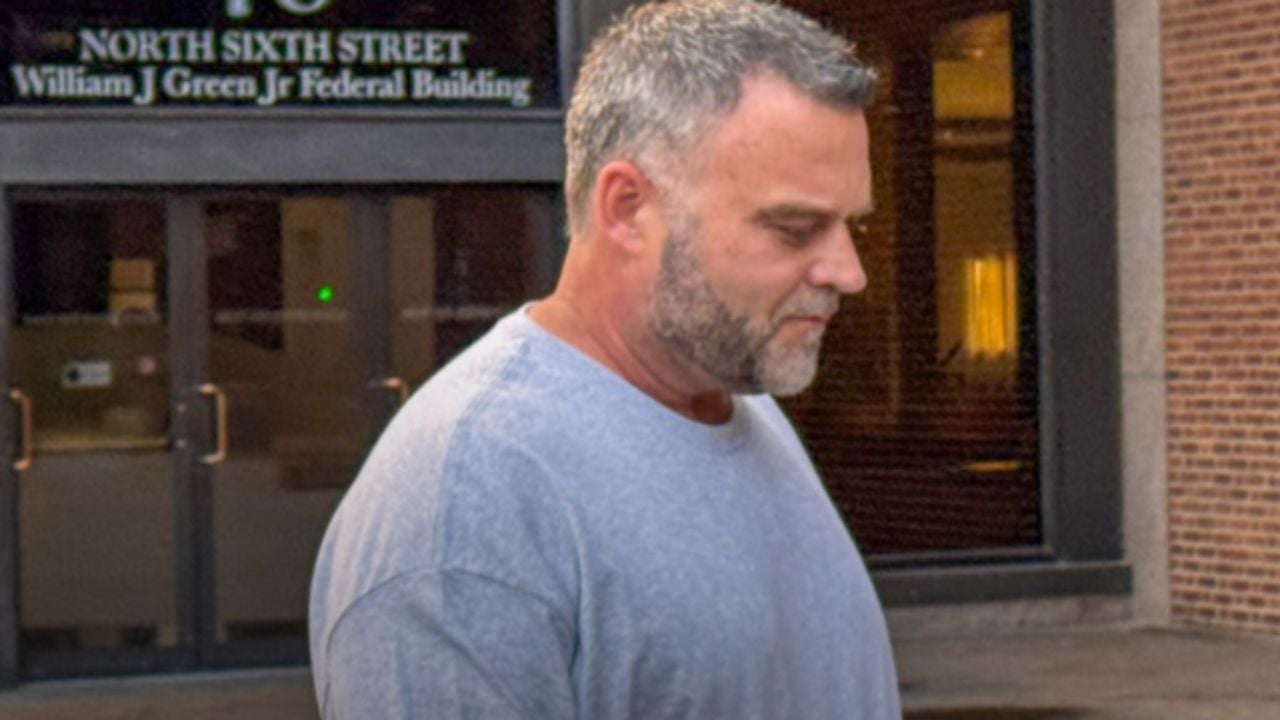
Federal prosecutors say the business sold that idea on a massive scale. Daryl F. Heller, 56, of Lititz, Pennsylvania, admitted that investors put about $770 million into funds tied to those machines, even though thousands of the ATMs and cryptocurrency kiosks did not exist or were not operating.
Heller pleaded guilty to securities fraud before U.S. District Judge Catherine Henry, according to the U.S. Attorney’s Office for the Eastern District of Pennsylvania. Investors were left with approximately $402 million in unpaid principal.
The plea came after prosecutors said new investor money was used to pay earlier investors, cover Heller’s personal expenses, and pay debts at companies he owned or controlled.
The Pitch Was Built Around Monthly ATM Payments
View this post on Instagram
Heller controlled several Lancaster-area companies, including Paramount Management Group, Heller Capital Group, and Prestige Investment Group. Prestige was connected to management companies that oversaw more than two dozen Prestige and WF Velocity ATM funds.
From about January 2017 through December 2024, Heller solicited, and caused others to solicit, investor money for those funds, prosecutors said. Investors were told Paramount would use the money to purchase and operate ATMs and Bitcoin teller machines on their behalf.
The machines were supposed to produce revenue that would fund regular monthly payments for roughly six to seven years. The deal sounded mechanical and steady: buy the machines, operate the machines, collect the transaction revenue, and send investors their share.
Thousands of Machines Were Not Producing Revenue
Heller admitted that thousands of ATMs and cryptocurrency kiosks supposedly purchased for investors either did not exist or were not operating. Machines that did not exist or did not work could not generate the revenue investors were told would fund their payments.
Prosecutors said a substantial amount of investor money was not used by Paramount to purchase ATMs and BTMs as promised. Instead, the money was used to make payments owed to earlier investors in the ATM funds, pay other ATM and BTM investors, cover Heller’s personal expenses, and pay business debts at Paramount and other companies he owned or controlled.
Heller also admitted creating false records that overstated the number of machines in Paramount’s network and the revenue those machines were producing. Prosecutors said those records were used to reassure existing investors, bring in new investors, and make the ATM operation appear able to support the monthly payments.
New Money Helped Keep the Payments Going
The SEC, which filed a parallel civil case, said Heller and Prestige raised more than $770 million from about 2,700 investors, many of them retail investors.
The SEC said investors were given the impression that a successful nationwide ATM network was paying fixed monthly distributions from ATM transaction fees and related charges. Instead, the agency said distributions were paid primarily with new investor money and high-interest short-term loans.
The civil complaint also described investor money being diverted for Heller’s benefit, including a beach house and other businesses. The SEC case is still pending.
The Payments Stopped in 2024
In April 2024, Heller caused Paramount to stop making monthly payments after the Prestige and WF Velocity ATM funds stopped sending substantial amounts of new investor money to Paramount, prosecutors said.
From April through December 2024, Heller kept promising investors that payments would resume or that their investments would be bought out. Prosecutors said neither happened.
Paramount went out of business around December 2024. By then, investors in the Prestige and WF Velocity ATM funds were owed about $402 million in unpaid principal.
Sentencing Is Scheduled for December
Heller had originally been indicted on one count of securities fraud and four counts of wire fraud. He pleaded guilty to the securities-fraud count.
His sentencing is scheduled for Dec. 1. The offense carries a maximum possible sentence of 20 years in prison, three years of supervised release, and a $5 million fine.
The court must also order restitution in an amount still to be determined. Heller may also be ordered to forfeit proceeds from the offense.
Investors Should Be Able to Verify the Assets
An investment tied to physical machines, equipment, real estate, vehicles, inventory, or another hard asset should come with records that can be checked outside the person selling the deal.
The SEC’s Investor.gov warns that Ponzi schemes use money from new investors to pay earlier investors and can appear successful until new money slows down. Promises of steady payments from a business asset should still be matched against bank records, operating reports, ownership documents, tax records, third-party servicing records, and audited financial statements.
Investors should be cautious when returns are described as predictable, fixed, or unusually steady while the underlying business is difficult to inspect. They should also confirm whether the person selling the investment is registered, whether the offering is registered or exempt, who controls the investor money, and whether payments are coming from real business revenue rather than new investor deposits.
Anyone who invested in an ATM, kiosk, equipment, real estate, or private fund that has stopped making payments should keep subscription agreements, promissory notes, offering materials, bank records, distribution statements, tax forms, emails, texts, investor portal screenshots, account statements, and any records showing what assets they were told their money purchased.