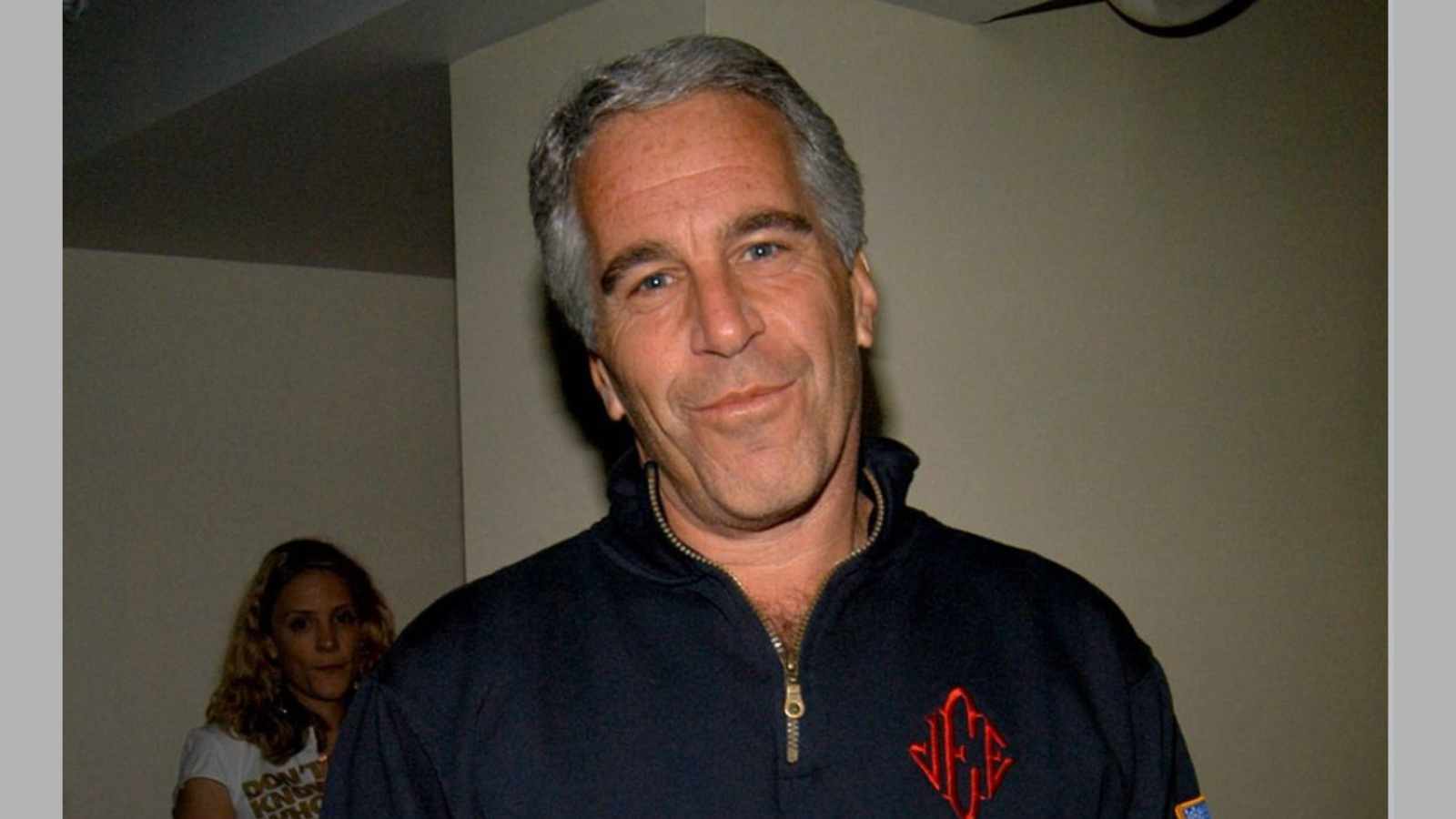
The cloud of suspicion hanging over Hollywood and Washington, D.C. just got significantly larger and much darker. In a stunning admission that has reignited the firestorm around the Jeffrey Epstein saga, the Department of Justice revealed late yesterday that it is sitting on a mountain of unreleased evidence.
According to a new court filing submitted Monday night, federal prosecutors confirmed that more than 2 million documents potentially related to the disgraced financier are still “in various phases of review.” This bombshell disclosure comes weeks after the DOJ missed a congressional deadline to release the full trove. It is fueling rampant speculation about who and what is buried in the digital pile.
For an industry already on edge, the news is a nightmare scenario. The “Epstein List” has been the ultimate sword of Damocles for celebrities and power players since 2019. Now we know the sword is much heavier than anyone anticipated. It is dangling by a thread of bureaucratic red tape.
Breaking Down the Numbers
The filing, submitted to U.S. District Judge Paul Engelmayer in New York, depicts a frantic, albeit slow-moving, behind-the-scenes effort. The letter was signed by Attorney General Pam Bondi, Deputy Attorney General Todd Blanche, and U.S. Attorney Jay Clayton. It signals that this is a top-priority crisis for the administration.
The statistics provided by the DOJ are staggering:
- Total Documents Under Review: More than 2 million.
- Documents Released So Far: Approximately 12,285.
- Pages Released: Roughly 125,575.
- Completion Rate: Less than 1%.
To put this in perspective, the “data dumps” that crashed servers and dominated headlines in late December represented a mere fraction of the total evidence. The initial releases, which occurred between December 19 and December 31, were widely criticized for being “recycled” material. They mainly consisted of court dockets and flight logs that internet sleuths had already analyzed for years.
This new revelation suggests the “real” evidence has not even been touched.
“Substantial work remains to be done,” the letter states. It notes that many of these files require manual review to redact the names of victims and innocent bystanders. The sheer volume has turned the Department of Justice into a massive document-processing factory.
Perhaps the most alarming detail in the filing was the admission of a massive oversight. The DOJ claims that on December 24, 2025, it identified an additional 1 million files that had not been included in the initial count.
Officials explained that these files were “uncovered” during a secondary sweep of FBI databases. This raises serious questions about why they were not located during the initial probes years ago or during the lead-up to the December deadline.
This “Christmas Eve Cache” has complicated matters further. DOJ officials stated that these files include “various forms of media,” which likely refers to photos and videos seized from Epstein’s properties in New York, Palm Beach, and the U.S. Virgin Islands. The process of reviewing visual media for sensitive content is far slower than reviewing text documents. This could potentially add weeks or months to the timeline.
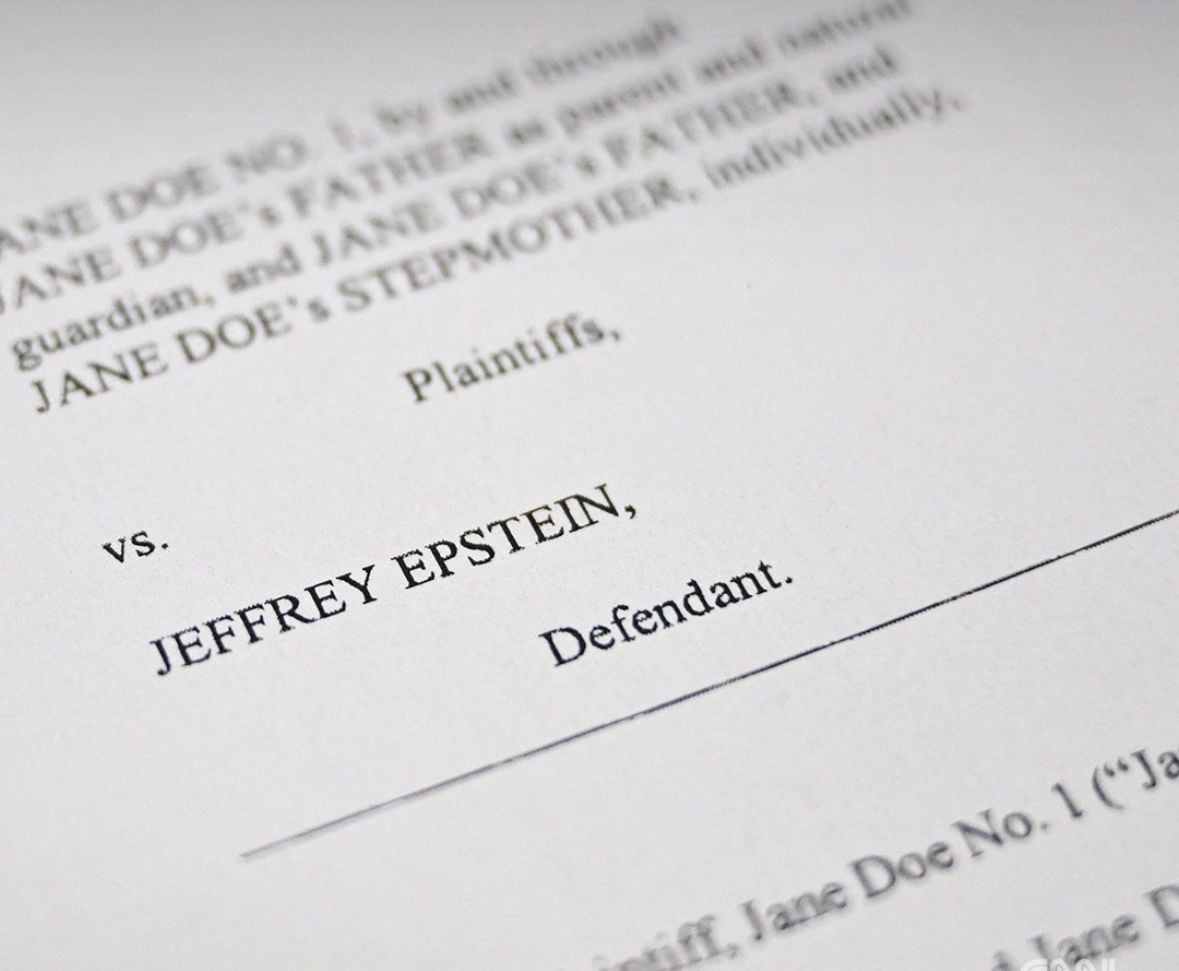
This delay is not just a logistical headache. It is a legal failure. In November 2025, Congress passed the Epstein Files Transparency Act. It was a rare bipartisan bill, co-authored by Rep. Ro Khanna (D-Calif.) and Rep. Thomas Massie (R-Ky.), that mandated the full release of all non-classified Epstein records by December 19, 2025.
President Donald Trump signed the bill into law with great fanfare. He promised to “drain the swamp” and expose the corruption protected by the deep state. However, the execution of that order has been disastrous.
That date passed with only a partial release. Now, nearly three weeks later, the DOJ is admitting it is nowhere near the finish line. The administration finds itself in the awkward position of violating a law that the President himself championed.
The political fallout has been immediate and fierce. Senate Minority Leader Chuck Schumer took to X (formerly Twitter) to accuse the Department of Justice of “lawlessness.” He questioned why the administration is delaying implementation of a mandate that passed with near-unanimous support.
“What are they trying to hide?“
Schumer asked in a post that has since gone viral. “It’s been 17 days since the DOJ broke the law. The American people deserve the truth, not more delays.”
On the other side of the aisle, Attorney General Bondi is defending her department. In her letter to Judge Engelmayer, she emphasized that the delay is purely about victim protection. She argued that releasing unredacted files would re-victimize the women who Epstein and Maxwell abused.
“We are balancing the public’s right to know with the safety and privacy of survivors,” Bondi wrote.
However, critics note that the “Transparency Act” included specific provisions for expedited redactions. They argue that the DOJ should have allocated resources sooner. Representative Massie posted a scathing critique on Truth Social. He stated, “The DOJ has had years to prepare for this. Finding a million files on Christmas Eve isn’t an excuse. It’s incompetence.
While the politicians argue over deadlines, the entertainment industry is quietly bracing for impact. The unreleased files reportedly include internal FBI emails, notes from witness interviews, and private calendars. These could corroborate long-standing rumors about which A-listers frequented Epstein’s orbit.
Representative Khanna told NPR that the specific documents he is waiting for are the “survivors’ statements to the FBI.” These interviews could contain the names of other powerful men who allegedly participated in the abuse or helped cover it up.
“We want to see the draft prosecution memos which explain why many, many men were involved in the cover-up,” Khanna said.
The fear in celebrity circles is palpable. Publicists and crisis managers have reportedly been working overtime since the December releases. They are preparing statements for clients who might be named (even innocuously) in the millions of unreviewed pages.
The sheer volume of the remaining documents means that almost anyone who ever crossed paths with Epstein or his associate Ghislaine Maxwell could theoretically pop up in a search result. Being “named” in the files does not necessarily imply guilt. However, in the court of public opinion, the distinction often matters little.
Inside the “War Room”
To handle the workload, the DOJ has mobilized a massive legal army. The letter to Judge Engelmayer detailed the resources being thrown at the problem:
- 400 DOJ Attorneys: Drawn from Washington, D.C., New York, and Florida.
- 100 FBI Analysts: Specially trained in handling sensitive victim information.
These teams are working “around the clock” to sift through the data. This includes everything from emails and court filings to the aforementioned “various forms of media.”
The logistics are mind-boggling. Officials claim that a “meaningful portion” of the unreviewed documents is likely duplicates. This is common in digital forensics, where the same email chain might be saved on three different hard drives. However, they also noted that page counts vary widely. A single “document” could be a one-page email or a 500-page legal brief.
Deduplication software is being used to speed up the process. Yet the content’s sensitivity means human eyes must review almost every page before it goes public. A missed redaction could expose a victim’s home address or medical history. This could result in significant liability for the government.
What Are We Actually Looking For?
The obsession with these files stems from the belief that Epstein did not act alone. For years, conspiracy theories and legitimate investigative reporting have converged on the idea that Epstein was running a “blackmail operation” for intelligence agencies or private interests.
The “Holy Grail” documents that researchers hope to find in this 2-million-page haystack include:
- The 2008 Non-Prosecution Agreement Memos: Internal communications explaining exactly why federal prosecutors in Florida gave Epstein a sweetheart deal that allowed him to avoid federal charges for a decade.
- The “Shadow” Flight Logs: Records of flights that were not on the official Lolita Express manifests. These could involve private charters or other aircraft.
- The “Black Book” Supplements: Additional contact lists or address books that were seized but never made public.
- Video Evidence: The most explosive and potentially damaging category. If tapes exist (as has been rumored for decades), their release would be cataclysmic.
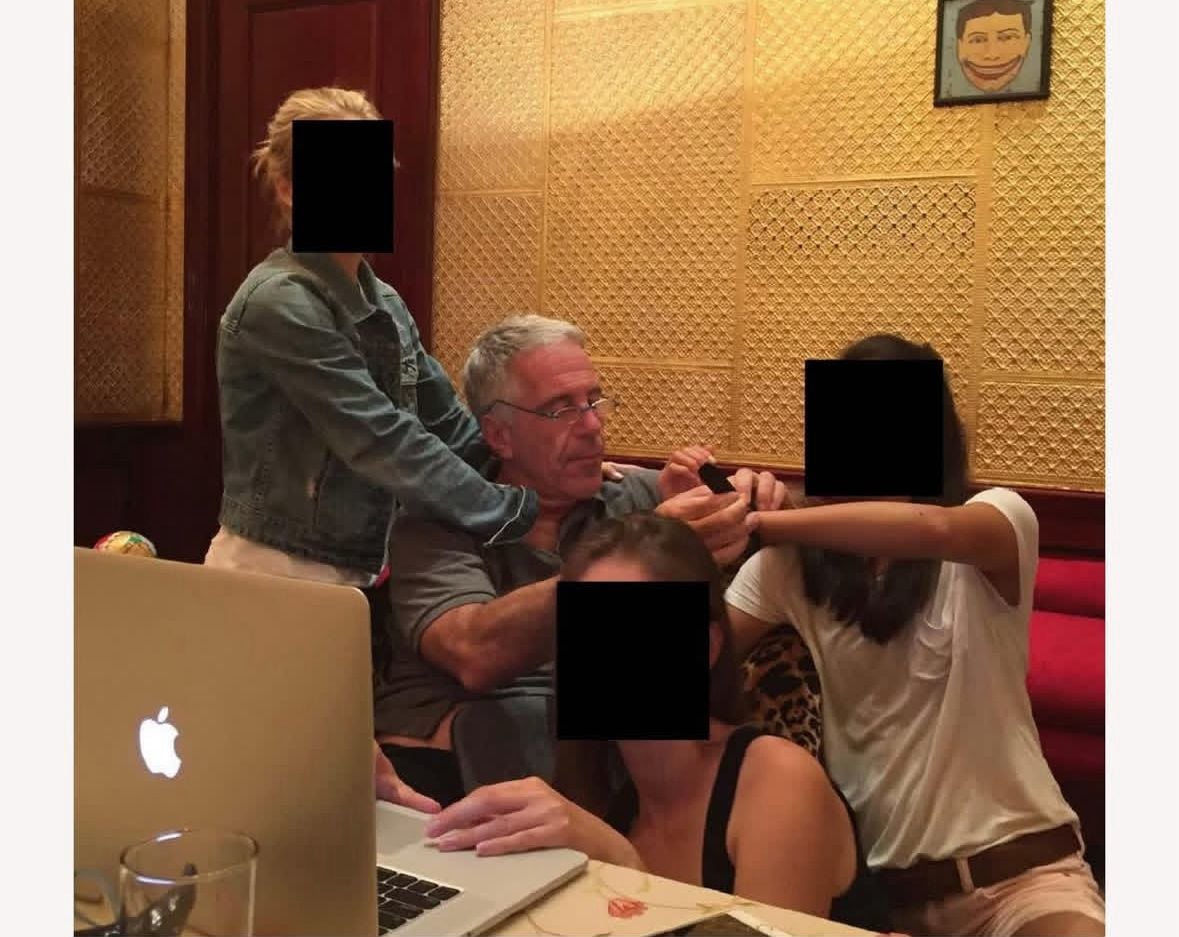
Amidst the political maneuvering and celebrity gossip, the voices of the victims often get lost. For the women who survived Epstein’s abuse, this delay is yet another failure of the justice system.
Many survivors have been waiting for decades for the full truth to come to light. The promise of the “Transparency Act” was that the government would finally stop protecting Epstein’s powerful friends.
“Every day they hold these files back is another day the predators get to sleep soundly,” said one survivor’s attorney in a statement to the press. “The government failed these women in 2008. They failed them in 2019. They are failing them again in 2026.”
The DOJ has set a tentative new target. They hope to release the remaining documents by January 20, 2026. However, legal experts are skeptical that a team of 500 people can manually review 2 million documents in just two weeks.
If the deadline slides again, we can expect Congress to haul Attorney General Bondi in for a hearing. Judge Engelmayer could also intervene. He has the power to hold the DOJ in contempt or order the immediate release of unredacted files. That is unlikely given the privacy concerns.
For the public, the wait continues. Every day that passes without a full release only fuels the conspiracy theories and heightens the anticipation. The “Epstein List” was supposed to be the closing chapter of a sordid saga. Instead, thanks to this latest revelation, we now know we are barely past the prologue.