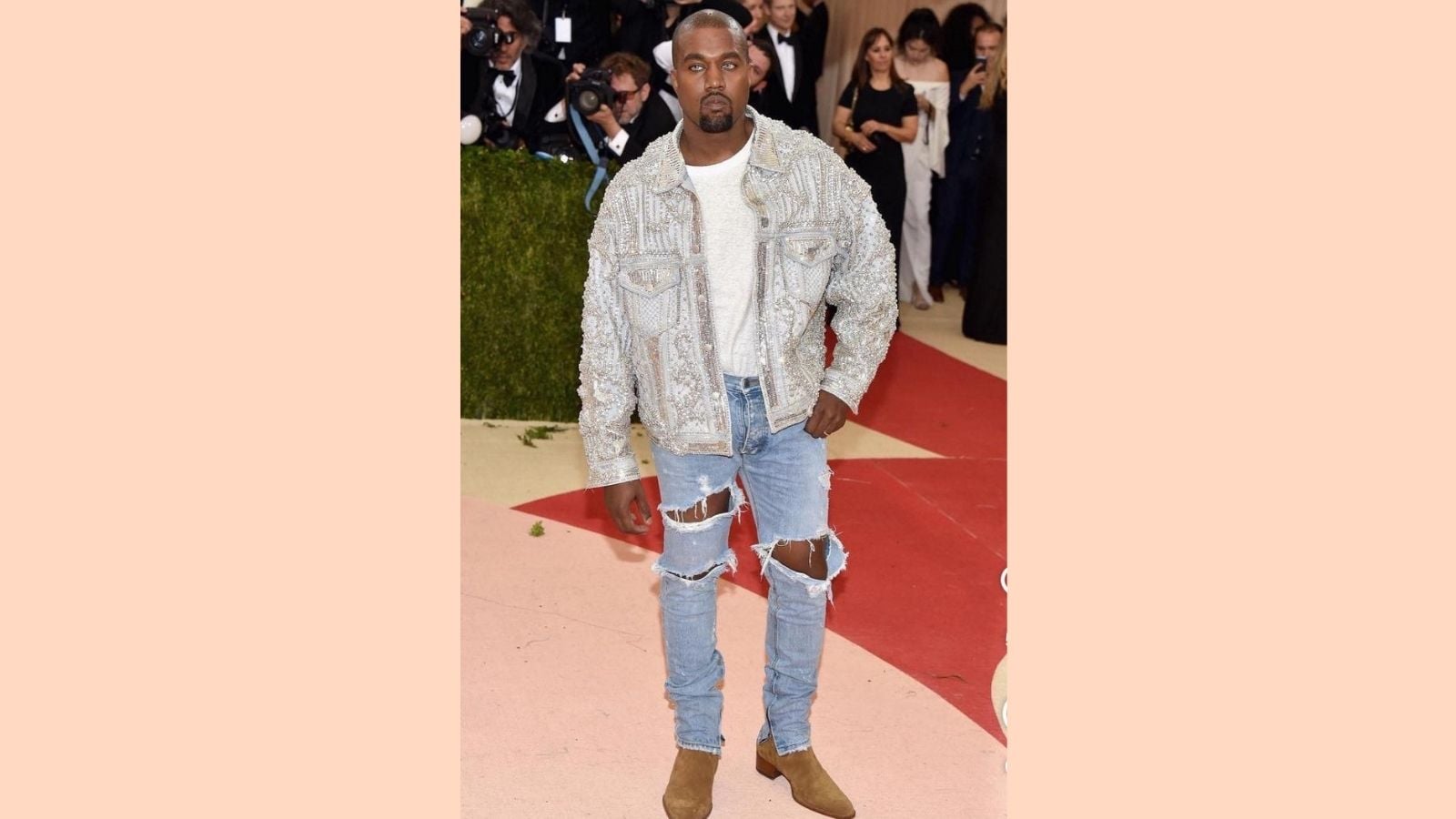
Kanye West, now legally known as Ye, just hit pause on what was supposed to be a major stadium moment in Marseille, and the timing is doing that thing where it tells the whole story without saying it out loud.
He called the June 11, 2026, postponement his “sole decision,” but that announcement landed right as French officials were reportedly exploring ways to keep him out of the country entirely.
Add the United Kingdom, which had already blocked his entry a week earlier, and suddenly this is no longer just tour drama. It is a full-blown geopolitical plot twist where borders, not brands, are calling the shots.
At this point, it is less “album rollout” and more “who will even let you in the building.”
When the Government Becomes the Venue Manager
Je refuse que Marseille soit une vitrine pour ceux qui promeuvent la haine et le nazisme décomplexé.
Kanye West n’est pas le bienvenu au Vélodrome, notre temple du vivre-ensemble et de tous les Marseillais.— Benoît Payan (@BenoitPayan) March 4, 2026
The UK set the tone, and they did not whisper. Officials barred Ye from entering the country, saying “his presence would not be conducive to the public good”, which is basically government-speak for “not happening.”
That decision immediately wiped out his Wireless Festival headline slot and triggered refunds for fans.
France watched that playbook and started flipping through it fast. Reports from Variety say officials began weighing what could be done on a legal standpoint to block the concert entirely.
Interior Minister Laurent Nuñez was described as “very determined”, which is not the kind of energy you want when you are planning a stadium show. Suddenly, this is no longer about playlists or partnerships. It is about immigration control and legal thresholds, and that is a very different arena.
“My Sole Decision” Is Doing a Lot of Heavy Lifting Right Now
Here is what Ye actually wrote on X: “After much thought and consideration, it is my sole decision to postpone my show in Marseille, France until further notice.” It is clean, simple, and very controlled. But the context around that sentence is loud.
Marseille’s mayor, Benoît Payan, had already made it crystal clear the artist was “not welcome”, saying he refused to let the city become a platform for hate. The French Jewish umbrella group CRIF was also raising serious concerns, calling the thought of welcoming Ye a “real moral question”.
When you stack all that next to Ye’s statement, it starts to feel less like a personal choice and more like a preemptive exit before the door gets slammed. It is giving “I left before I could be kicked out,” and everyone watching can see the choreography.
You see, celebrity PR can reframe almost anything, but even the best spin has limits when governments are involved.
After much thought and consideration, it is my sole decision
to postpone my show in Marseille, France until further notice.— ye (@kanyewest) April 15, 2026
When the Whole Country Swipes Left on a Superstar
Europe is not just side-eyeing Ye right now; it is actively closing ranks. The UK ban already proved that a government can step in and shut down a major festival appearance overnight. And France appears to be moving in a similar direction, with officials reportedly reviewing every legal option to prevent the Marseille concert from taking place.
This shift matters because it shows how the consequences have leveled up. Losing brand deals used to be the headline. Now it is entire countries deciding whether you get access at all.
Even Ye’s previous apology efforts, including his Hebrew social media post and that full-page Wall Street Journal ad, are not moving the needle enough to ease those concerns. The message from European authorities is pretty clear. Redemption arcs are noted, but they are not automatic passes at the border.
That Chateau Marmont Night Just Got Very Expensive
🚨 EXCLUSIVE: Kanye West is being sued for an alleged sucker-punch assault at Chateau Marmont.
Details: https://t.co/jdpvM6GiPP pic.twitter.com/c64DEOz0by
— TMZ (@TMZ) April 14, 2026
While all of this is unfolding overseas, there is a whole separate storyline heating up back in Los Angeles, and it is not subtle.
According to the New York Post, a new civil complaints filed in Los Angeles County Superior Court accuses Ye of battery and intentional infliction of emotional distress over an alleged April 2024 incident at the Chateau Marmont.
The plaintiff, identified as John Doe, claims Ye punched him without warning, causing him to fall, hit his head, and lose consciousness. The complaint goes further, alleging continued physical assault and later claims that Ye spread a false narrative about the incident on a widely viewed podcast.
These are allegations, not findings, and Ye has not publicly responded to this specific case in the coverage available. Still, it adds another serious layer to an already crowded legal file.
A $140,000 Verdict and a Growing Legal File
This lawsuit does not exist in isolation. It lands right after a March 2026 jury verdict ordering Ye to pay $140,000 to former project manager Tony Saxon over disputes tied to his Malibu mansion project.
Saxon had originally sought around $1.7 million, so the payout was smaller than requested, but it still counts as a loss.
Reports from Rolling Stone also note that Ye has faced a wave of civil lawsuits in recent years, including more than a dozen cases filed since his 2022 antisemitic outburst, from former employees, collaborators, and other plaintiffs.
That kind of track record starts to build a narrative that promoters, insurers, and partners cannot ignore. Right now, every new case increases the perceived risk, and in an industry that runs on tight timelines and massive budgets, risk is the fastest way to get quietly removed from the lineup.
The High Cost of an Unfinished Redemption Arc
Here is where it all collides. Ye is in the middle of trying to reshape his public image while simultaneously dealing with very real consequences that do not wait for a rebrand. He has said he is not an anti-Semite, acknowledged past behavior, and pointed to health struggles, while also admitting those factors do not excuse his actions.
Organizations like the Anti-Defamation League have called his apologies “long overdue”, but insufficient to erase a “long history of antisemitism”. Meanwhile, governments are making decisions based on public order, not personal statements. That gap between intention and impact is where things get complicated.
An apology can travel online instantly, but legal systems and border controls move on a different timeline, and they are clearly not convinced yet.
Watching the Map Shrink in Real Time
Zoom out, and this starts to look like a live case study in how fast access can disappear. Touring used to be about demand. Now it is also about permission. If more countries follow the UK and potentially France, the idea of a global Ye tour starts to look less like a schedule and more like a puzzle with missing pieces.
Add in ongoing legal costs and the uncertainty around future bookings, and the pressure builds quickly.
The bigger picture here is not just about one artist. It is about how power has shifted. Governments, cities, and community groups now have a louder voice in deciding who gets a stage. And right now, Ye is finding out what happens when that voice says no, and honestly, nobody knows where that leaves the rest of his tour.