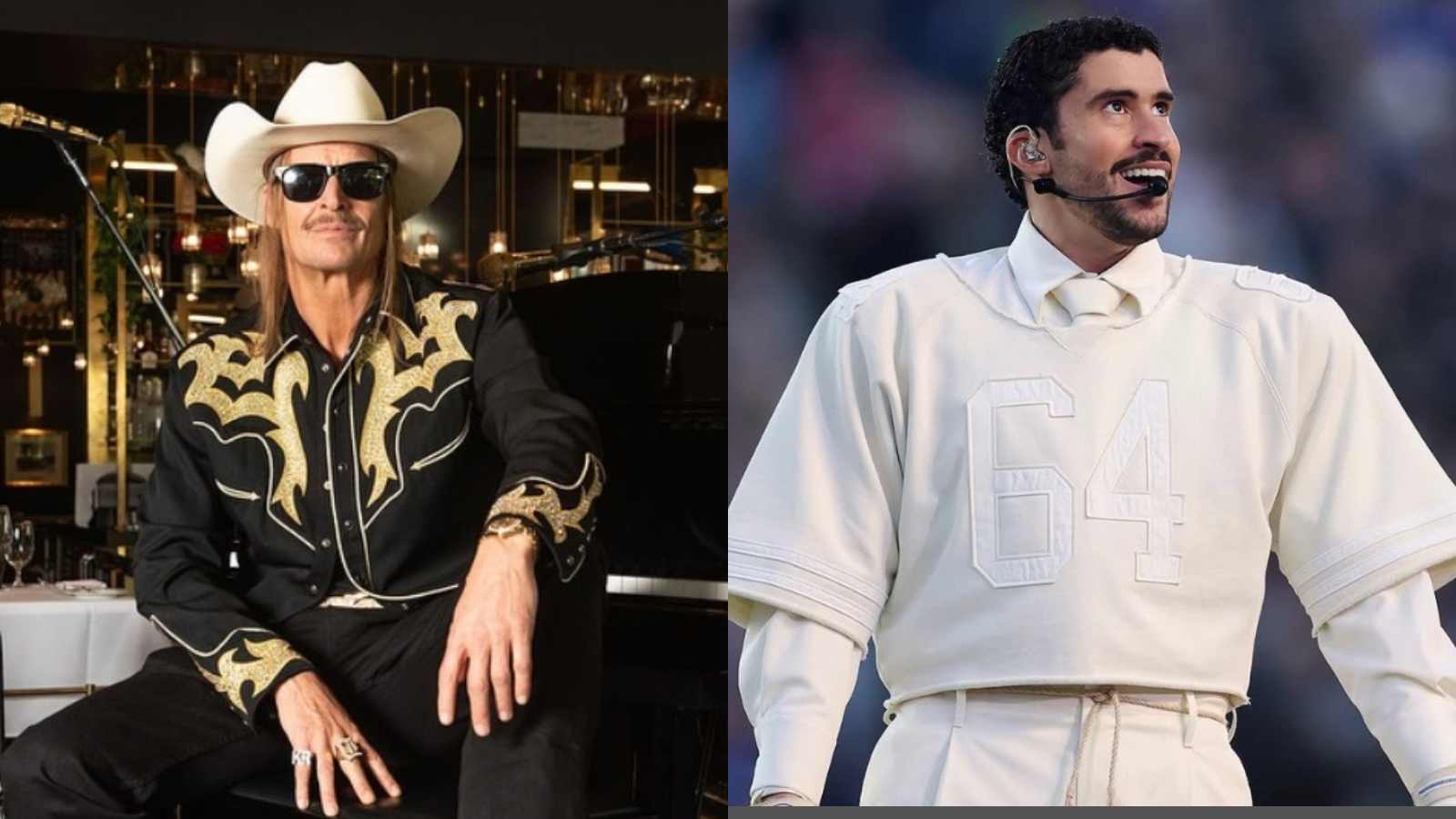
Kid Rock weighed in on the Super Bowl LX halftime show, headlined by Bad Bunny, in a way that sparked discussion on social media and cable news. On Fox News’ The Ingraham Angle, the rocker admitted, “Like most people, I didn’t understand any of it,” referring to Bad Bunny’s performance filled with dancers, Spanish‑language songs, and vibrant choreography.
He added that the show looked like a “dance party,” and while he didn’t fault Bad Bunny for being on a global stage, he made it clear the performance was simply “not my cup of tea.” Rock didn’t stop there.
He said he faults the NFL for choosing Bad Bunny to headline the Super Bowl’s main halftime stage and even blamed his own alternative “All‑American Halftime Show,” saying it existed because fans “needed something to watch.” That alternative concert was organized by the conservative group Turning Point USA and featured Rock alongside artists such as Brantley Gilbert and Lee Brice.
Why Kid Rock’s Reaction Made Headlines
Ingraham: What did you think of Bad Bunny?
Kid Rock: I didn’t understand any of it. I fault the NFL for putting him in that position and turning point for having to come out and have an alternative for people to watch. pic.twitter.com/cmFzHyDHTM
— Acyn (@Acyn) February 10, 2026
Kid Rock’s comments landed at a moment when the Super Bowl halftime show was at the center of broader cultural conversations. This year’s official halftime performance by Bad Bunny was the first headlined entirely in Spanish and quickly became a viral, widely praised set that celebrated Puerto Rican culture and musical diversity.
Fans and critics alike took to social media to react. Rock’s take was notable because he had a competing show, which is unusual for a Super Bowl halftime show. His alternative event wasn’t part of the NFL broadcast but was livestreamed as a counterprogramming option.
Rock’s remarks reflected dissatisfaction from parts of the audience who wanted a different style of performance or felt the NFL should have chosen a more traditional, rock‑oriented halftime act. This isn’t the first time Kid Rock has stepped into cultural debates with bold statements.
For Super Bowl LX, Rock headlined what was dubbed the “All‑American Halftime Show,” a conservative alternative broadcast designed for viewers who were critical of Bad Bunny’s selection as headliner. The event aimed to spotlight themes like faith, family, and tradition while featuring country‑rock artists.
While Bad Bunny’s official halftime show drew an audience of more than 100 million on NBC and Peacock, Rock’s competing program reached millions online, though significantly fewer viewers overall. Regardless of numbers, Rock’s involvement injected his voice into a larger cultural conversation about entertainment, identity, and the NFL’s choices for marquee moments.
Kid Rock’s Music Career and Cultural Identity
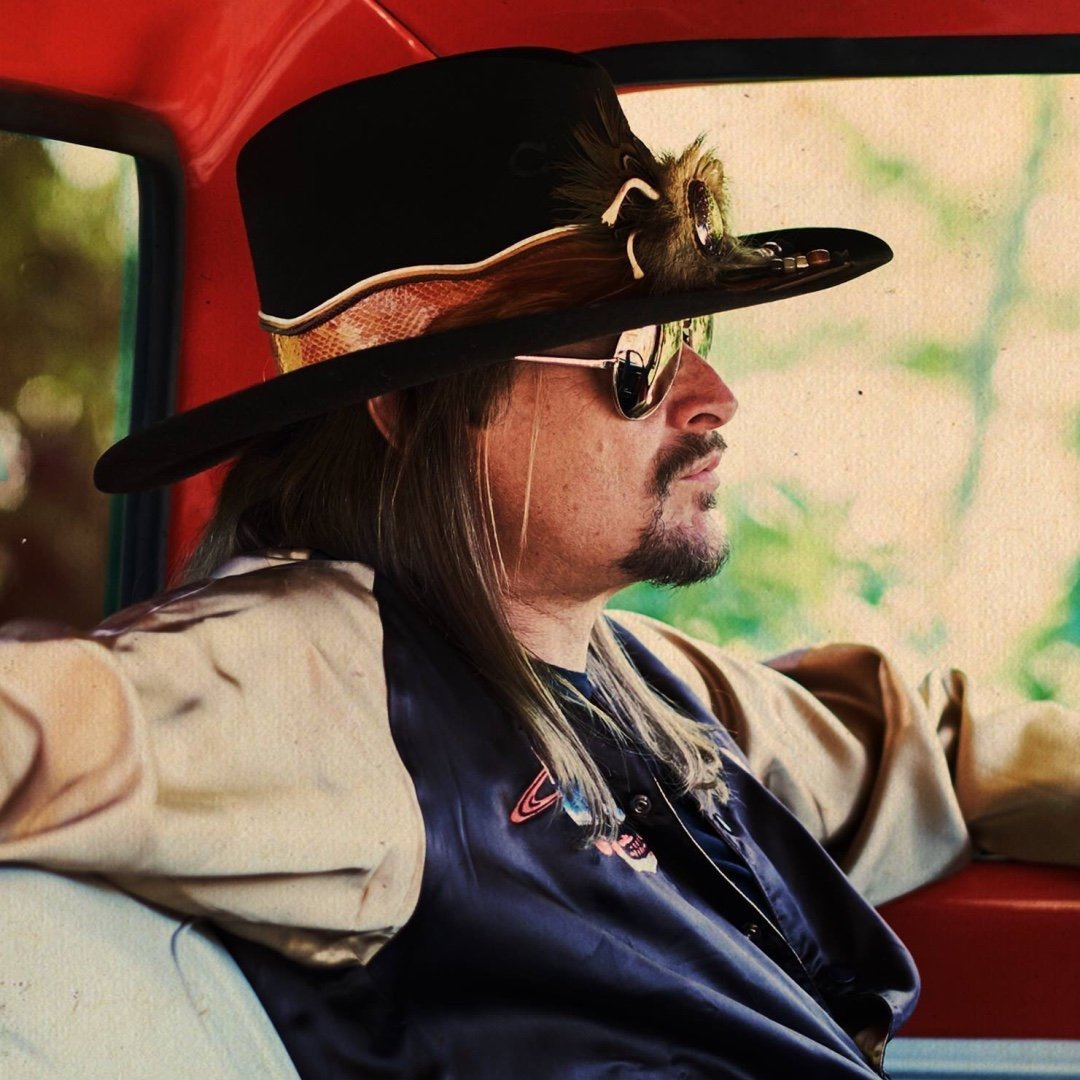
Kid Rock isn’t just a commentator on pop culture; he’s been a longtime figure in American music with a career dating back to the 1990s. Blending rock, rap, and country influences, he rose to fame with hits like Bawitdaba and All Summer Long.
Over the years, he’s cultivated a persona that mixes rugged Americana with outspoken opinions on politics and culture. This identity has made him popular with certain fan bases and controversial with others.
His performance at Turning Point USA’s show leaned into that identity, complete with a setlist and presentation meant to appeal to audiences who felt underrepresented by the NFL’s official halftime selection. That personal brand, brash, unabashed, and unapologetically patriotic, is part of what made his critique of Bad Bunny’s performance stand out.
Bad Bunny’s Historic Halftime and Why It Divided Opinions
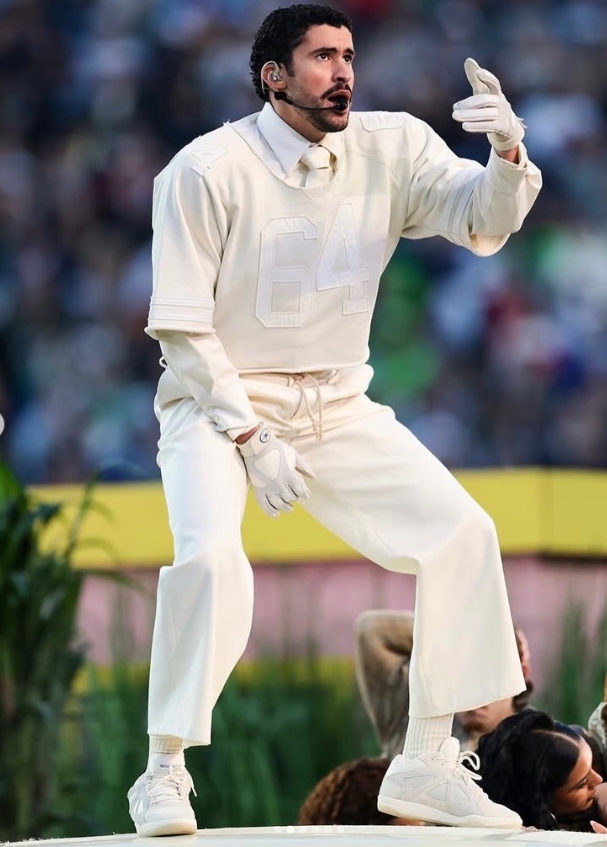
Bad Bunny’s halftime show was historic in more ways than one. As one of the most-streamed artists in the world and a recent three‑time Grammy winner, he brought reggaeton and Latin rhythms to one of the biggest entertainment stages globally. His set included well‑known hits like Tití Me Preguntó and MONACO, and featured vibrant choreography and cultural storytelling that resonated with many fans worldwide.
Yet, that same breadth and stylistic choice sparked debate among audiences who prefer more familiar English‑language performers or traditional rock and pop artists for such a signature moment in American sports. That divide helped fuel conversations like Rock’s criticisms and conservative alternative programming.
Mixed Reactions Across Social Media and Celeb Circles
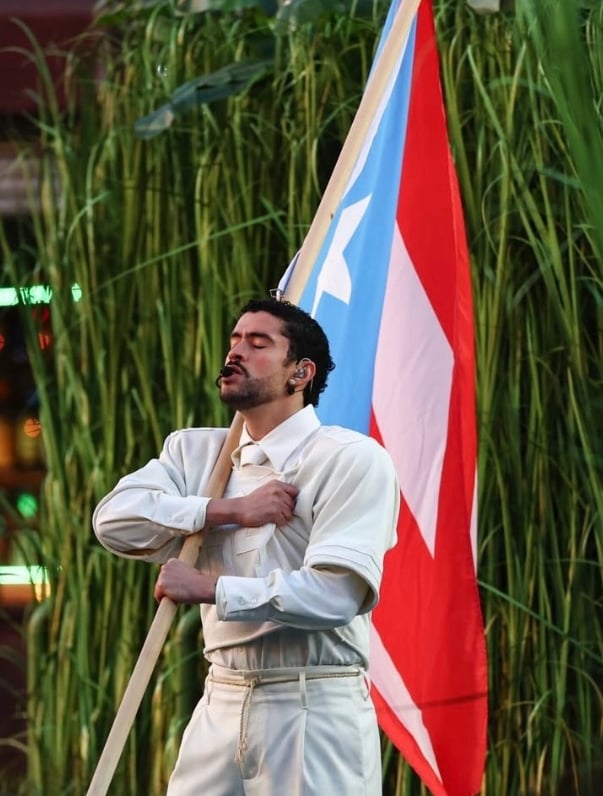
Social responses to Rock’s comments, and to Bad Bunny’s halftime show overall, have been mixed. Most people celebrated the diversity and energy of Bad Bunny’s performance, noting that even viewers who didn’t speak Spanish could still enjoy the music and passion on stage. Others echoed Rock’s sentiments, saying the show wasn’t to their personal taste but acknowledging the artist’s historic moment.
Notable voices even responded with humor. Country singer Kacey Musgraves joked that Bad Bunny’s show “made me feel more proudly American than anything Kid Rock has ever done,” highlighting how the evening’s reactions spanned entertainment, culture, and identity in surprising ways.
Meanwhile, conservative pundits and supporters of Rock’s alternative event praised his willingness to offer a different halftime experience, while critics characterized the counterprogram as overtly political.
Kid Rock’s Broader Takeaway

When Rock says he didn’t “understand any of it,” he’s pointing to more than just language differences. To him and others who shared his view, the show represented a departure from what they expected from a traditional Super Bowl moment, and they’re not afraid to voice that. Yet even in his critique, Rock acknowledged Bad Bunny’s success in getting a chance to be seen by a global audience.
That nuance matters because it shows the conversation isn’t purely about music taste; it’s about cultural expectations, generational signatures, and what people want from shared national events. And with pop culture always evolving, discussions like this aren’t likely to fade quickly.
At its heart, this story shows how the Super Bowl halftime show, long a platform for musical spectacle, has become a cultural mirror reflecting broader societal conversations.
Artists like Bad Bunny bring global influence and cultural identity to the moment, while voices like Kid Rock’s underscore how interpretations of that moment can vary widely. That clash of perspectives highlights how music, politics, and identity are intertwined in today’s entertainment ecosystem, and how even a performance can become a catalyst for public conversation.