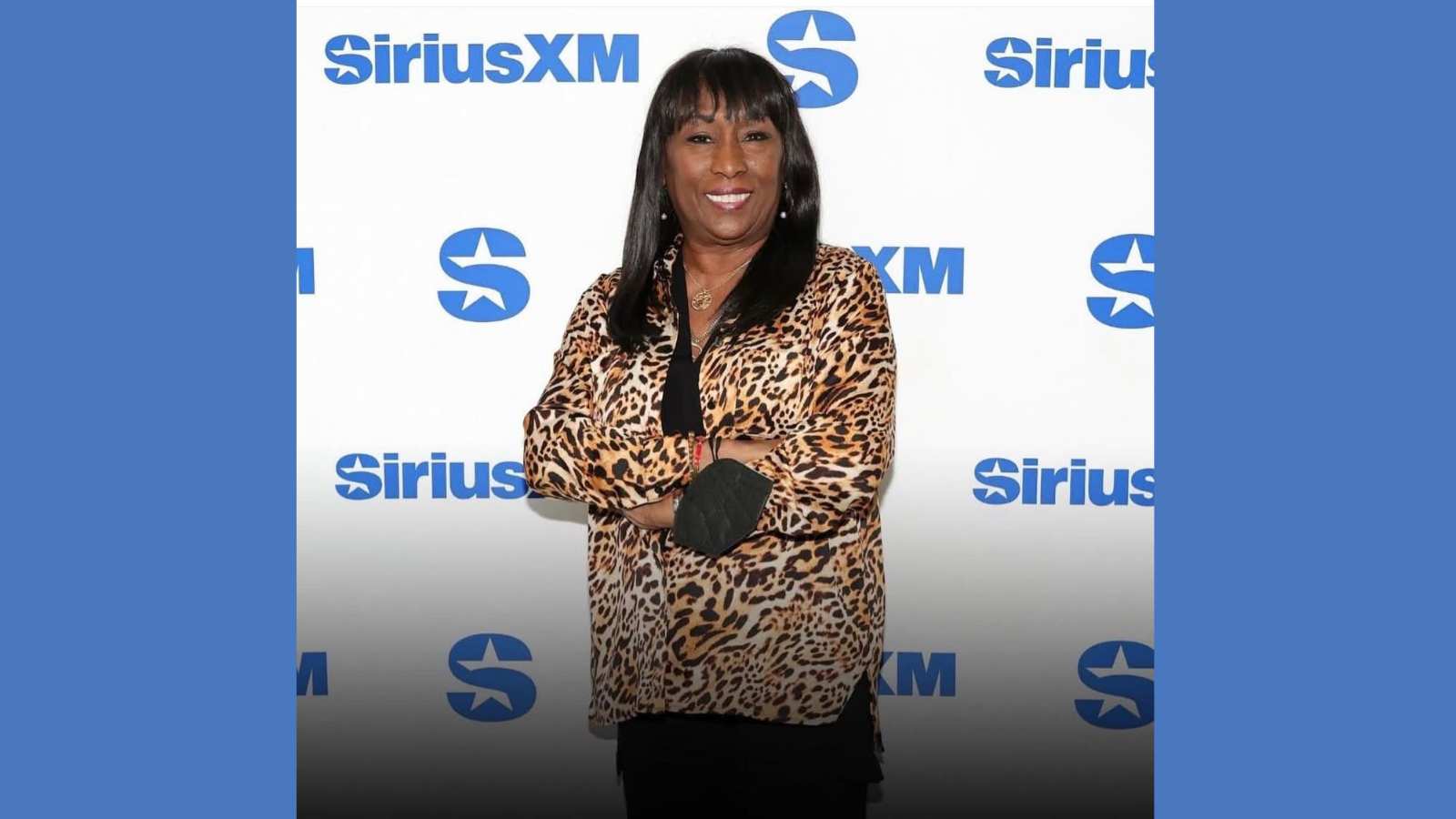
Kiki Shepard, the legendary cohost who defined the visual elegance of Showtime at the Apollo for over fifteen years, has died at age 74 following a sudden heart attack in Los Angeles on Monday, March 16, 2026.
Her passing comes as a profound shock to the entertainment community, particularly since she had been seen out celebrating International Women’s Day just days earlier, looking upbeat and active. This loss marks the end of an era for late-night television, as Shepard represented a rare level of longevity in a variety format that saw her anchoring the stage from 1987 to 2002.
Her fifteen-year run remains an unusually long and significant tenure for a Black woman in a nationally syndicated hosting role, cementing her status as a trailblazer who helped usher in generations of rising stars at Harlem’s iconic theater. The news was confirmed by her representative, LaShirl Smith, who described the massive heart attack as completely unexpected.
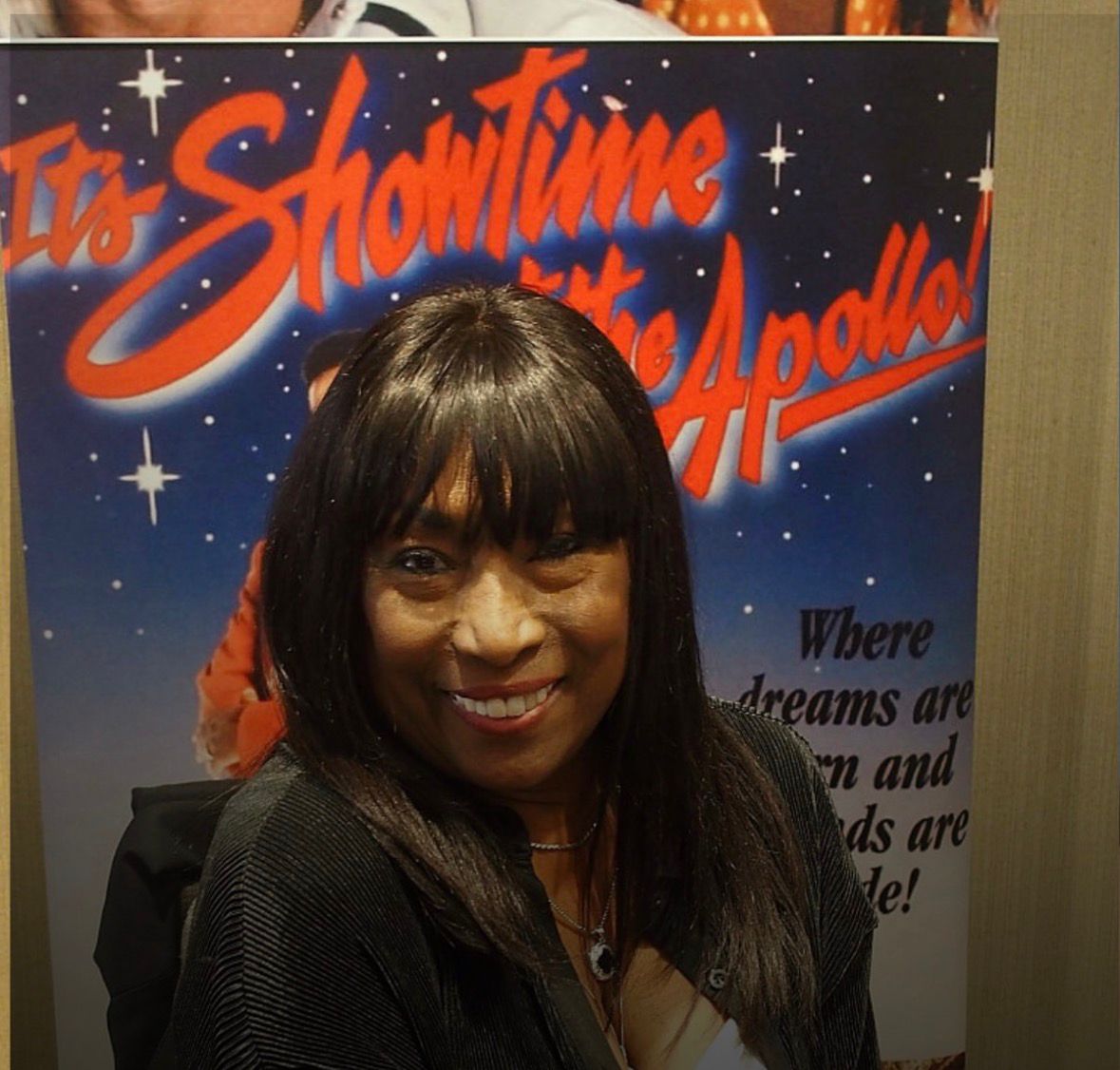
Shepard was not just a sidekick to the rotating main hosts like Steve Harvey and Sinbad; she was a structural pillar of the show’s identity. Known universally as the Apollo Queen of Fashion, she became a household name for the grace and style she brought to every broadcast. Viewers often tuned in specifically to witness her signature walk across the stage, which became a performance in its own right.
This movement provided a polished counterpoint to the raucous energy of the Apollo crowd and proved that she was a master of the variety format.
Her representative emphasized that Shepard was in excellent spirits just forty eight hours before the medical emergency occurred. The suddenness of the event has left fans and former colleagues grappling with the loss of a woman who seemed ageless on screen.
Shepard was born Chiquita Renee Shepard in Tyler, Texas, on July 15, 1951, into a family where performance was a way of life. Her parents were dancers, and that early exposure to the arts shaped the rest of her professional journey.
The Professional Discipline Behind the Signature Walk
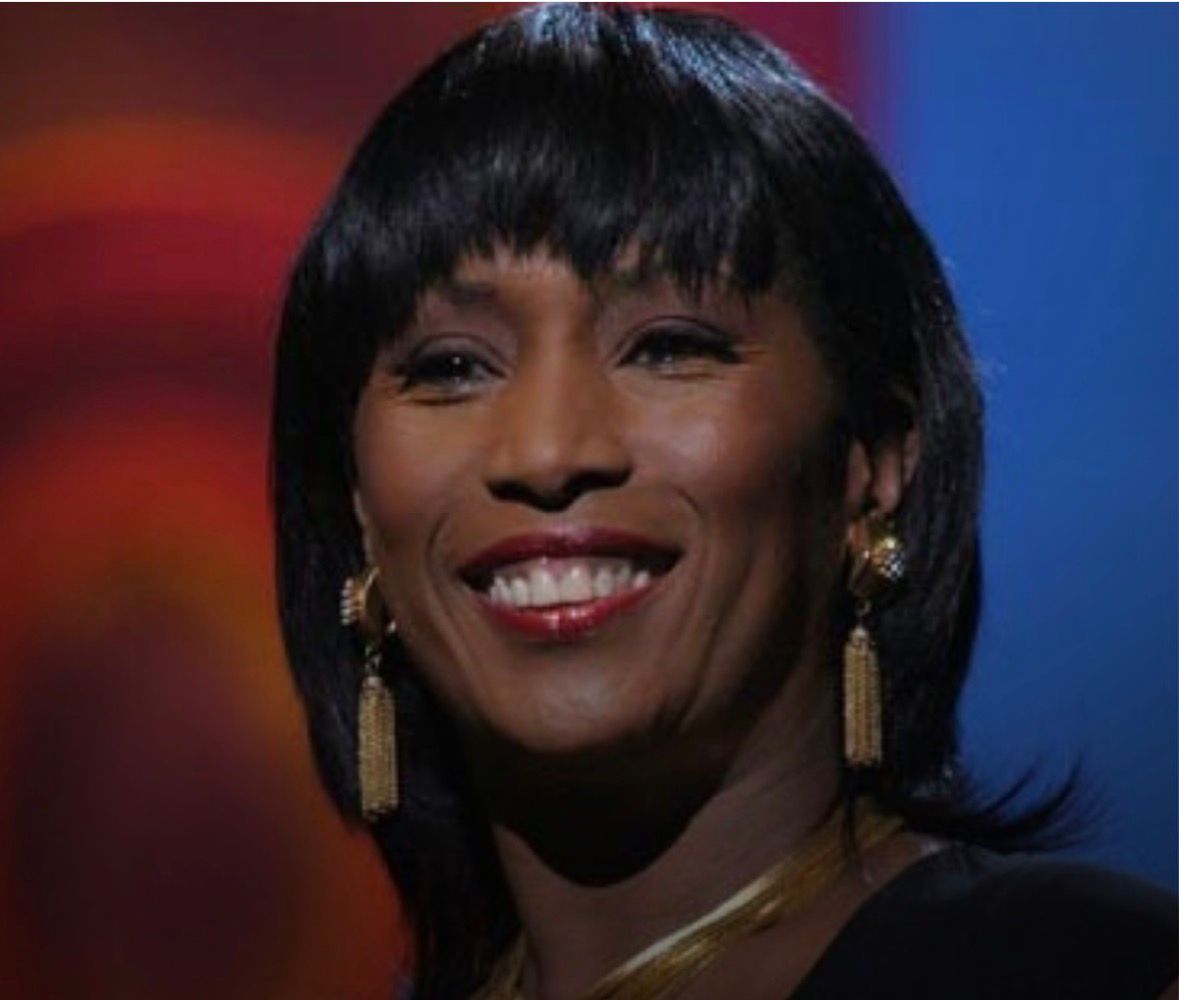
The undeniable energy that Shepard brought to the screen was the result of a rigorous background in professional dance and theater. Before she ever stepped onto the Apollo stage, she was a charter member of the D.C. Repertory Dance Company.
Her training in the theatrical arts provided the foundation for the physical discipline that fans admired every Saturday night. She did not just walk across a stage; she glided with the precision of a seasoned Broadway veteran.
This background in the D.C. dance scene and her work with the New Federal Theatre turned her hosting duties into a form of choreographed performance art. Her early years in Tyler were spent observing her parents, who instilled in her a deep respect for the craft of movement.
Her rise to the top of the entertainment world followed a path through Howard University, where she honed her skills as a performer. By the time she joined the Apollo in 1987, she had already built a successful stage career that prepared her for the national spotlight.
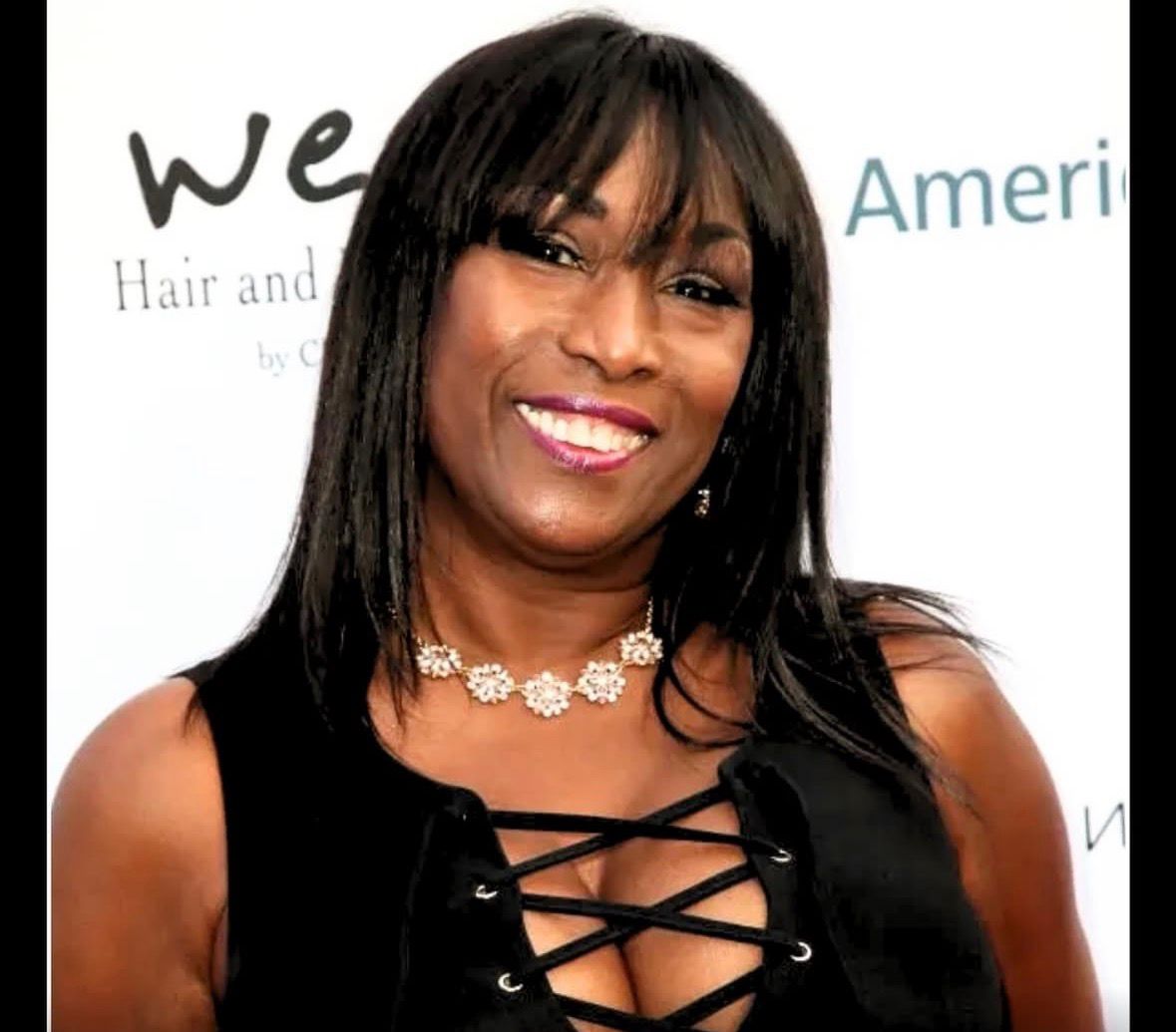
This professional foundation allowed her to hold her own alongside comedic heavyweights like Mark Curry and Rudy Rush. Her stage presence remained unflappable even when the notoriously tough Apollo audience became difficult to manage.
She understood that her role was to provide a sense of stability and glamour amidst the unpredictable nature of a live variety show. Her signature walk was a calculated part of that stability, acting as a visual cue that the show was moving forward with grace.
The Apollo Queen of Fashion nickname was not just about the clothes, though her wardrobe was certainly a massive part of the draw. It was about how she inhabited those garments with the poise of a classically trained dancer.
A Career Beyond the Bright Lights of Harlem
While the Apollo Theater was her most famous home, Shepard also built a substantial resume as a versatile actress. She made memorable appearances on shows such as A Different World, where she brought her natural charisma to the sitcom format.
Her range extended into drama with roles in NYPD Blue and Family Law, showing a professional depth that many variety hosts struggle to achieve. She was also a familiar face in the action genre, appearing in both Baywatch and its spin off series Baywatch Nights.
Even as her television career flourished, she remained committed to stage work and voice acting throughout the 1990s. She was a performer who understood that a long career in Hollywood required a constant evolution of skill sets.
Shepard was also deeply involved in philanthropic efforts, particularly in the realm of sickle cell disease advocacy and fundraising. Though often working away from the cameras, her commitment to this cause was a reflection of her dedication to the community.
She managed to balance the high glamour of her TV persona with a grounded sense of service that endeared her to many. This philanthropic work provided a sense of purpose that matched her professional ambitions in the entertainment industry.
Her sister, Von Gretchen, was also a notable figure in the spotlight, winning the Miss Black America title in 1974. Performance and excellence were clearly hallmarks of the Shepard family, and Kiki carried that torch with immense pride.
Her transition from a Texas native to a Broadway dancer and then a television icon serves as a blueprint for aspiring performers. She proved that a career built on technical skill and professional discipline could withstand the changing trends of the industry.
The Lasting Legacy of the Queen of Apollo
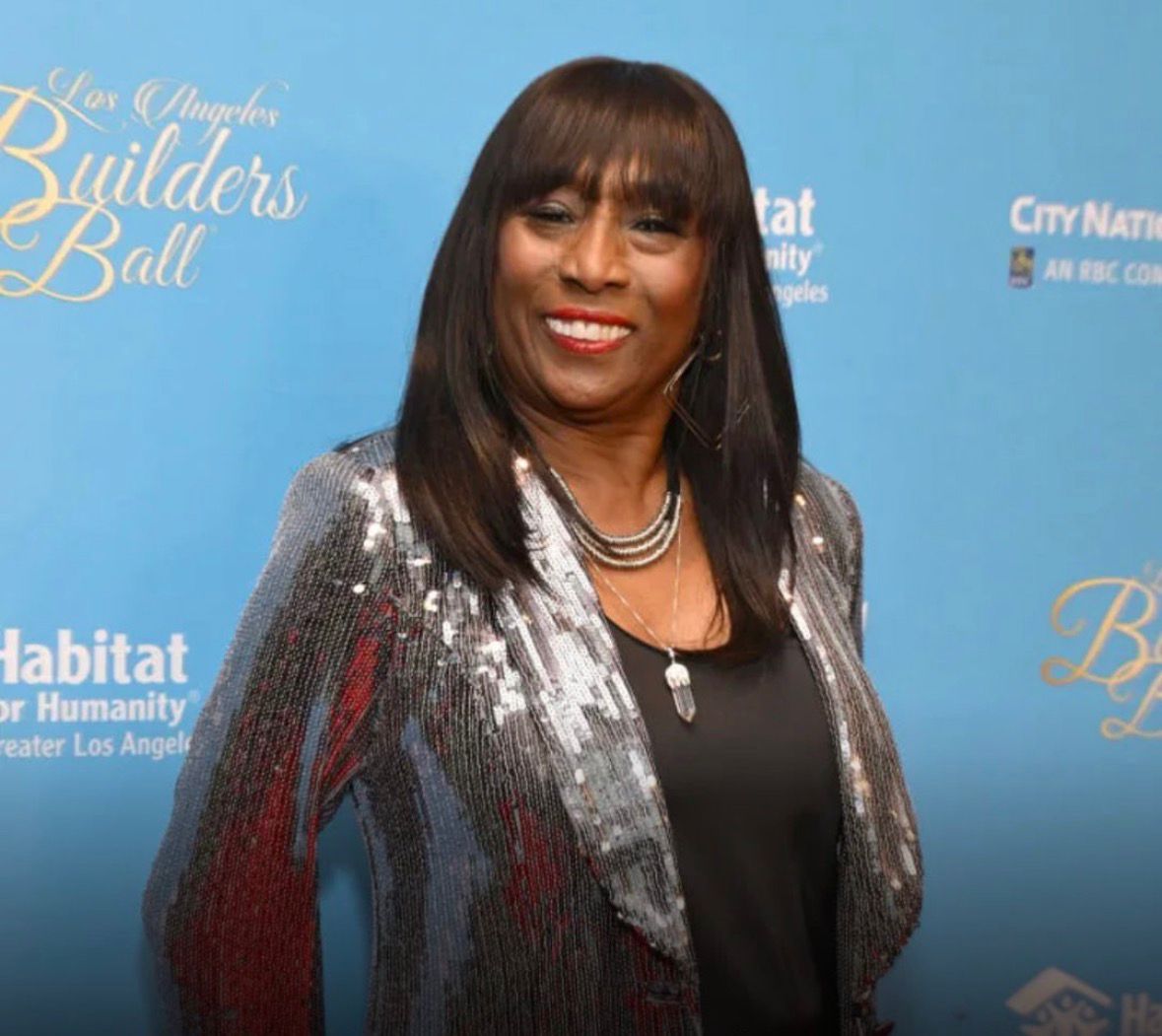
The immediate reaction to her passing has been one of deep reverence for the path she cleared for others. Tributes from across the industry have highlighted how she helped define an entire era of televised Black performance.
She was a fixture in living rooms across the country, representing a level of class and style that was aspirational for millions of viewers. Her status as a Howard University standout is a point of pride for the HBCU community.
What happens next will likely involve several public memorials celebrating her status as a cultural icon. Her representative has noted that the family is taking the time to process this unexpected loss before announcing further plans.
As the industry reflects on her life, the focus remains on her ability to turn a hosting role into a legendary career. Her impact on the representation of Black women in late night television will continue to be a benchmark for decades.
She leaves behind a legacy of style that was never just about the designer labels she wore on stage. It was about the woman who wore them with such undeniable purpose and a sense of theatrical architecture.
Her ability to navigate the complex world of variety television for sixteen years is a feat that few have ever replicated. She provided a bridge between the legends of the past and the rising stars of the future at the Apollo.
The death of Kiki Shepard is the closing of a chapter on a specific kind of television magic that felt both intimate and grand. Her career illustrates how a performer can take a specific niche and turn it into a cultural touchstone through sheer talent.
By bringing the discipline of the dance world to the spontaneity of Harlem, she elevated the medium of variety TV. Her presence on our screens for all those years provided a sense of continuity that will be deeply missed.
She remains a symbol of an era when the Apollo was the center of the entertainment universe for Black audiences. Her walk across that stage will forever be etched in the memories of those who watched her every week.