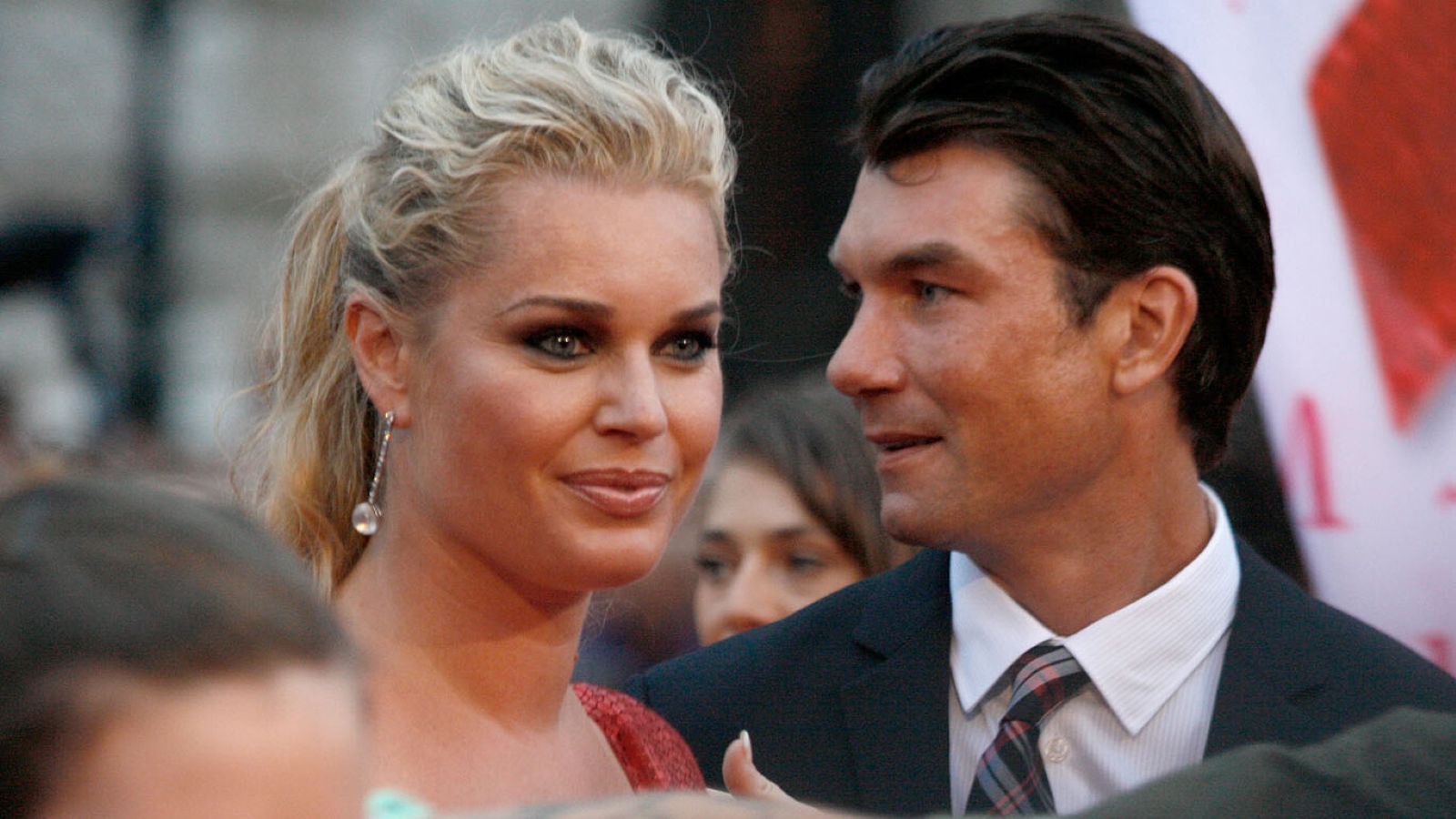
Jerry O’Connell backed Kamala Harris. He attended a rally for her in Atlanta. After she lost, he posted a Jessica Fletcher reaction image built around an exhausted Angela Lansbury. None of that mattered on election night, because when O’Connell opened his mouth to say something mildly critical about how the campaign was run, his wife Rebecca Romijn and their 17-year-old twin daughters, in his telling, “without saying anything, became physical” with him.
He wasn’t defending Trump. He wasn’t gloating. He was saying what plenty of pundits said the next morning: Harris’ late entry was a problem, the planning wasn’t there, and the lack of a primary mattered. He said it in his own living room, to people who agreed with him politically, and they still reacted like he’d crossed a line.
View this post on Instagram
He Wasn’t Even Disagreeing With Them
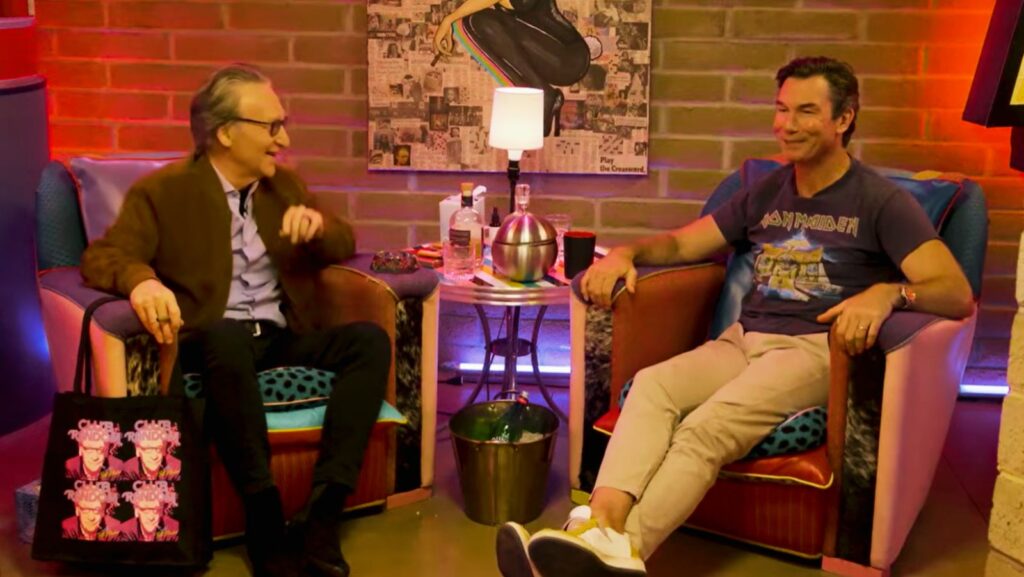
O’Connell told the story on Bill Maher’s Club Random podcast this week, prefacing it by wondering whether he would stay married before walking through election night. He had been up late watching the returns and did not expect Trump to win. When it became clear that he had, O’Connell said he was basically spitballing about how badly the campaign had been mishandled. There had been no planning. Harris’ late arrival hurt. There should have been a primary. That was the offense.
This makes the story revealing. Romijn and the twins did not hear a postmortem. They heard the tone. O’Connell said they were “filled with rage.” He did not describe injuries or spell out what “physical” meant, and he told the story as a family anecdote rather than an allegation of abuse.
When Agreeing Isn’t Enough
This is the part that should make you uncomfortable, regardless of which side you’re on. O’Connell wasn’t punished for having the wrong opinion. He was punished for having the wrong tone at the wrong moment. His family didn’t object to his analysis. They objected to his delivery, the fact that he was processing the loss out loud, in real time, in a way that sounded more like a postmortem than a eulogy.
Anyone who lived through election night 2024 in a politically engaged household knows exactly what this feels like. There was a window, maybe 48 hours, where you weren’t allowed to say anything analytical about what went wrong without someone treating you like you’d switched sides. Grief and politics had fused so completely that even agreeing with someone wasn’t enough if you agreed in the wrong register.
Maher’s Answer Said the Quiet Part
Maher’s response was blunt. In essence, say what you think in your own house, deal with the anger afterward, but do not silence yourself to keep the peace. He framed it as the same old childhood demand to sit there, say nothing, and keep your hands to yourself.
That framing is doing more than defending O’Connell. It’s describing a dynamic that exists in thousands of homes where politics has become identity and identity has become non-negotiable. When your political position is who you are, any criticism of the party, even from inside, registers as a personal attack. You’re not questioning a campaign strategy. You’re questioning the family.
And the Daughters Were Watching
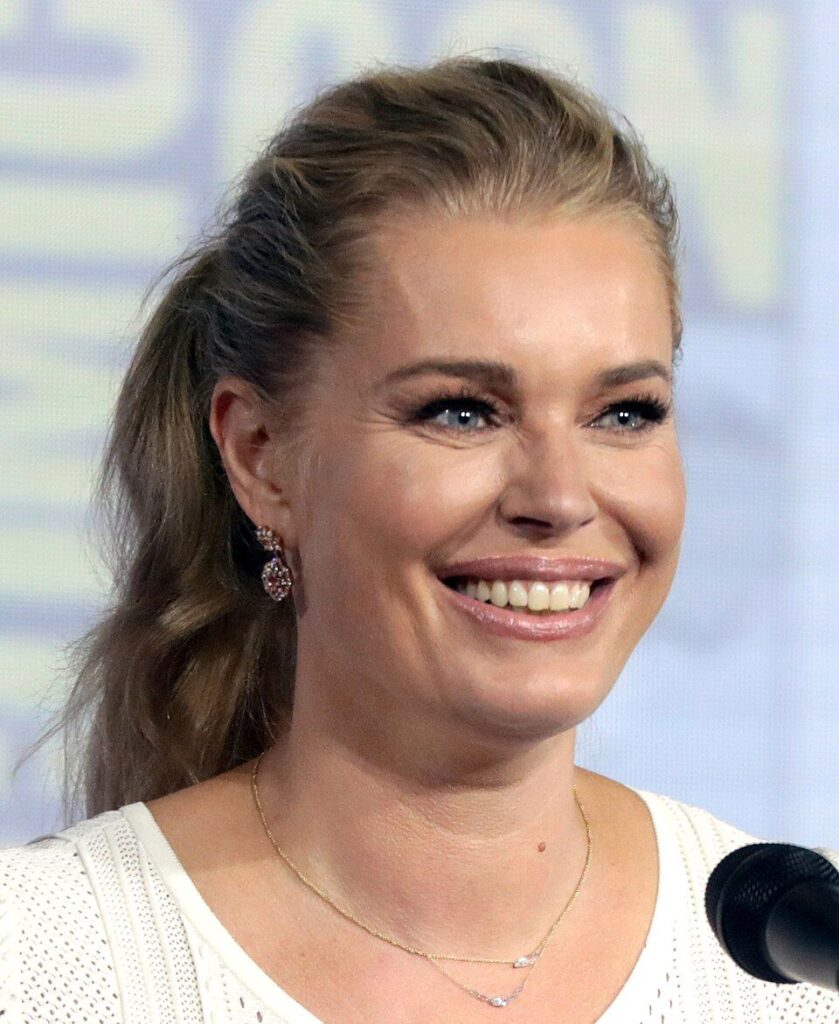
The detail that keeps sticking is that the twins are 17. They’re about to vote for the first time. And the image the story leaves is not about democracy, civic engagement, or processing a political loss. It is when dad says something slightly off-script that a physical reaction arrives before a verbal argument.
O’Connell told the story as a comedy bit. Maher laughed along. The audience at home is supposed to find it charming: a fiery wife, passionate daughters, and dad getting roughed up for running his mouth. And it is funny, in the way that a lot of family dysfunction is funny when a celebrity describes it on a podcast.
But strip away the celebrity packaging and ask yourself: if your spouse and kids “became physical” with you because you said the losing campaign should have run a primary, would you tell that story on a podcast? Or would you be having a different conversation entirely?