The Threat and the Timer
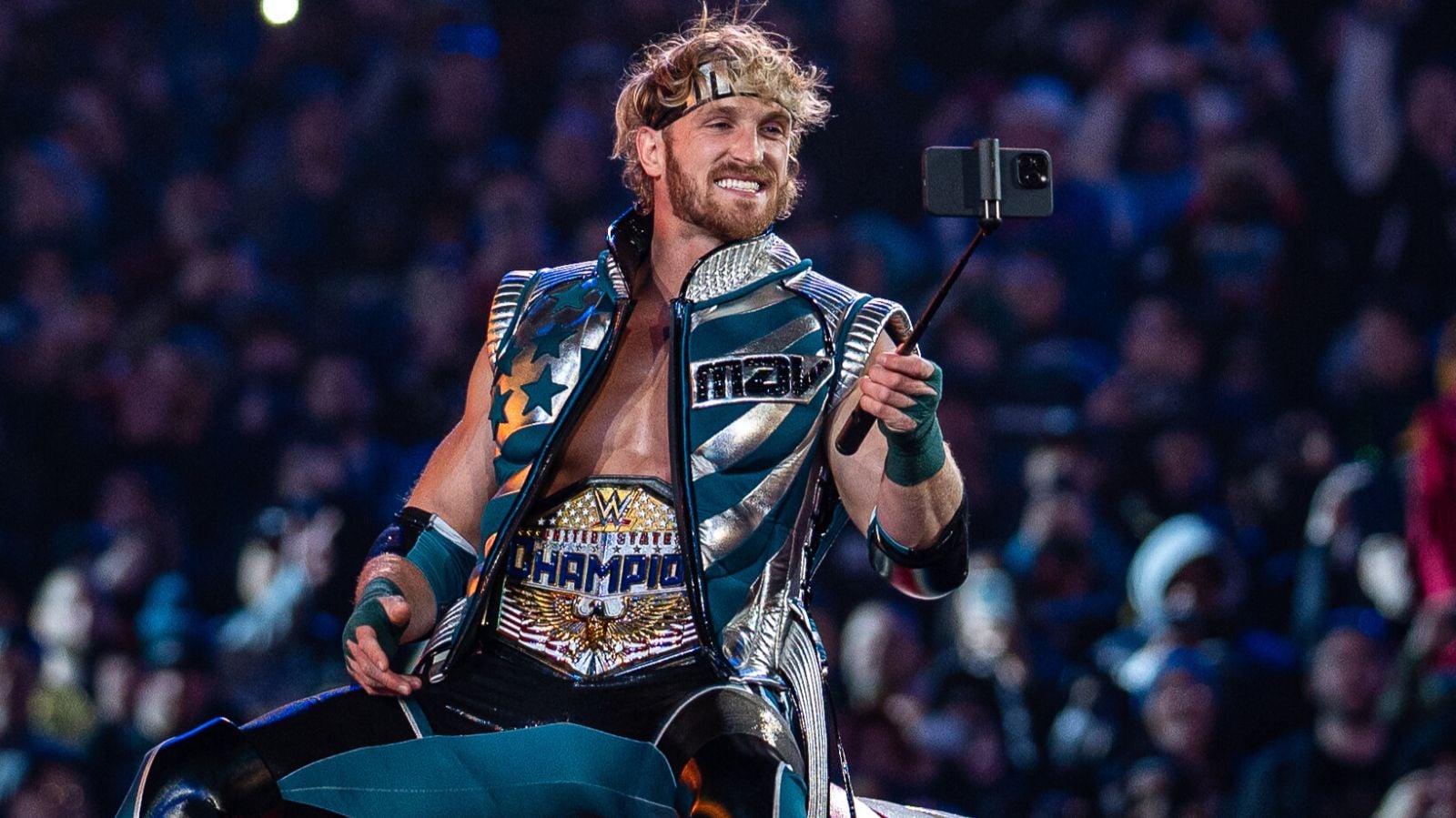
Logan Paul went on the Iced Coffee Hour podcast and delivered a warning to everyone still calling him a scammer.
“Any inclination that I’m a scammer, it is patently false,” he said. “Unfortunately, I’m in a position where the only way to prove that is in a courtroom, which I intend to do sooner rather than later.”
Bold words. Also specific ones. Paul’s defamation lawsuit against YouTuber Coffeezilla is currently set for jury trial on May 4, 2026. That’s about eight weeks away.
Scroll through any comment section under the clip, and the reaction is immediate. The same word he says is defamatory keeps reappearing.
Logan Paul explains why any claims that he is a scammer are completely FALSE…
“The businesses that I build are not started with anything but the best intentions… I am not chasing money, I like building, and money happens to be a byproduct of things that I make” pic.twitter.com/6ygfkfihKA
— The Iced Coffee Hour (@TheICHpodcast) March 6, 2026
What CryptoZoo Actually Was
In 2021, Paul promoted CryptoZoo, a blockchain-based game pitched as a play-to-earn concept. The idea was that buyers could purchase NFT eggs, hatch digital animals, and earn cryptocurrency called $ZOO.
The project’s initial 10,000 “Base Eggs” sold out quickly. The game never launched as promised.
Coffeezilla, real name Stephen Findeisen, published a major YouTube investigation in December 2022 that drew tens of millions of views, and he later published additional CryptoZoo follow-ups.
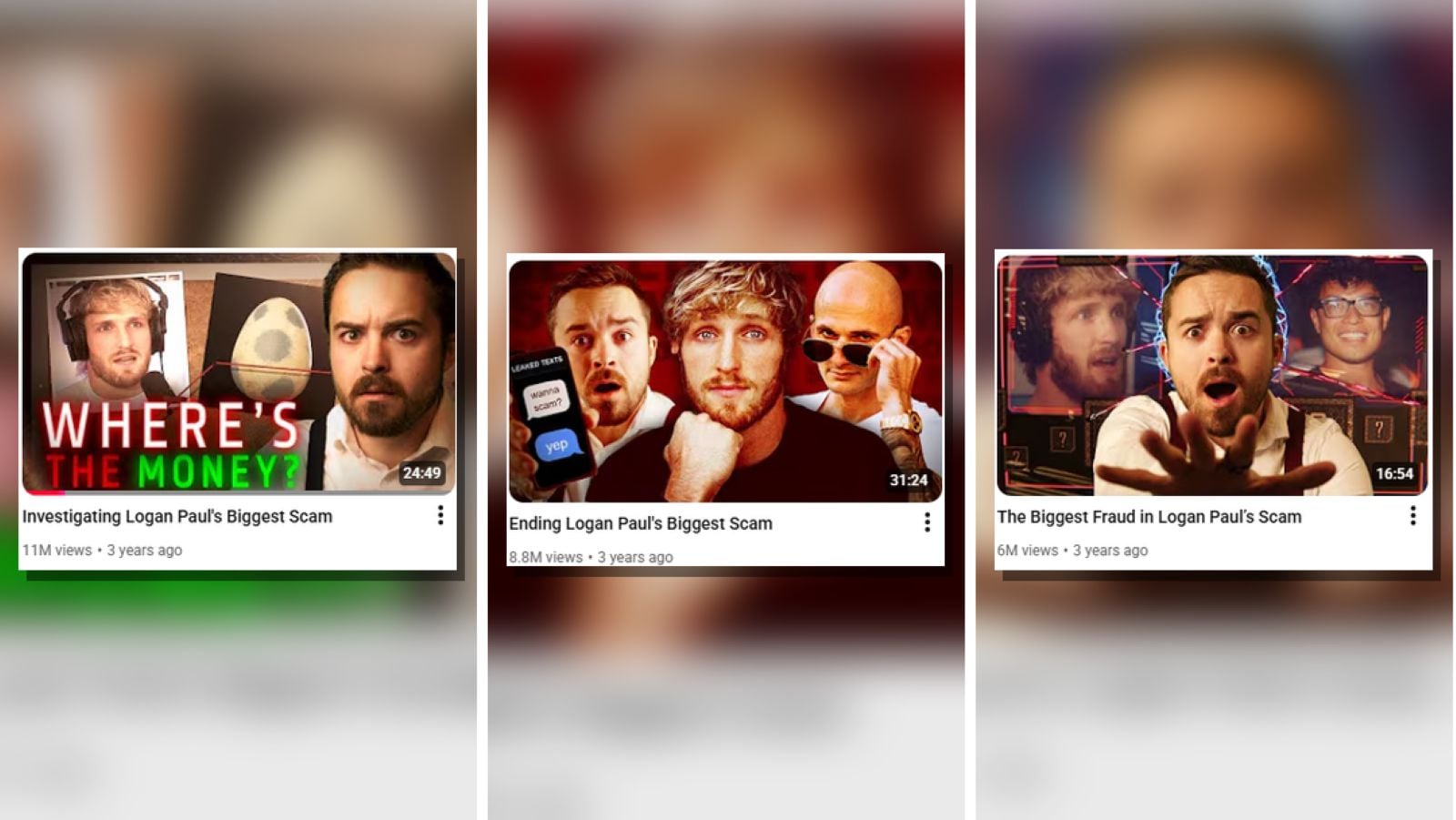
One detail that keeps getting recycled in the broader influencer crypto discourse is a DM quote often used as shorthand for the whole ecosystem. “Real talk you shouldn’t run a coin,” Coffeezilla wrote in an X DM to Adam22. “It’s lame and you’re gonna scam or get scammed.” That message was not presented as a DM to Paul, but it became part of the wider argument about what happens when influencers turn their audience into liquidity.
Paul’s response included refund promises and a buyback program — with a condition. Reporting on the buyback noted that claimants who submitted refund claims waived their right to sue Paul for CryptoZoo in the future.
Coffeezilla criticized the buyback as inadequate relative to total losses, arguing it covered only a fraction of the damage.
The Court Win That Didn’t End the Story

In February 2023, investors filed a proposed class action tied to CryptoZoo.
On Oct. 29, 2025, U.S. District Judge Alan D. Albright granted Paul’s motion to dismiss all 27 claims. The order gave plaintiffs leave to amend Counts 1 through 26, and dismissed Count 27 with prejudice.
Paul treated the dismissal as vindication, calling it “significant.” The post drew immediate criticism.
Afterall, the internet doesn’t run on court rulings. It runs on narratives.
The Comment That Landed Wrong
The podcast had one more moment that the comment sections noticed. In the same breath as the lawsuit threat, Paul described people who feel harmed by his projects as having a “victim mindset.”
“The only way they make themselves feel better is by pretending that everything is happening to them, that the world is happening at them, that life is just serving them situations, instead of becoming an adult, grabbing life by the horns, and taking charge of their own life,” he said. “It’s much easier to place blame on other people and make yourself a victim of life.”
Those comments landed with an audience that includes people who lost serious money on a project that never delivered on what was marketed. The response online was not sympathetic.
The Lawsuit That Cuts Both Ways

Paul’s defamation suit against Coffeezilla was filed in June 2024.
Coffeezilla’s stance has been straightforward. He frames the case as an attempt to punish a critic for reporting on CryptoZoo. Paul’s stance is also straightforward. He argues the “scam” label is false and defamatory, and he keeps pointing to court outcomes and intent versus outcome as the dividing line.
The moment a public figure threatens critics with court, the internet does what it always does. It debates the accusation even more loudly. The podcast clip generated fresh CryptoZoo discourse and new rounds of the same argument Paul says he’s trying to end.
The Rebrand and What It Can’t Overwrite

Paul is a genuine commercial success story in the creator economy, and he has turned internet notoriety into real business leverage. But the gap between legal outcomes and public trust remains wide.
A judge dismissing claims does not force the culture to move on. A trial date does not automatically reset a reputation. If anything, a courtroom can freeze the accusation into a headline loop for months.
The May trial can produce a legal verdict. It will not automatically produce the one thing Paul actually needs. A comment section that gets bored and leaves.
So here’s the uncomfortable question that keeps resurfacing under every thread. If the courts narrow the claims, but the internet keeps repeating the label anyway, who actually decides a reputation in 2026?