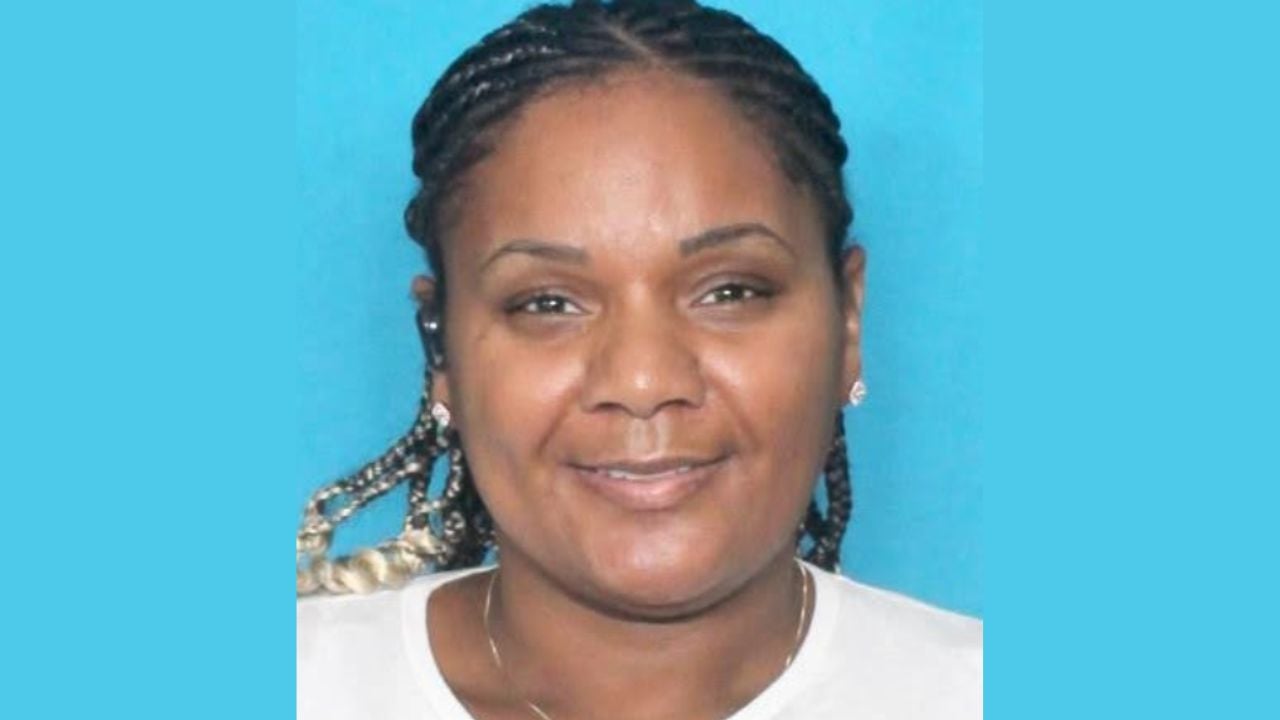
An elderly Louisiana couple’s bank accounts showed 61 disputed ATM withdrawals totaling $61,000. Investigators accused their caregiver of taking the money, but she maintained that the withdrawals were authorized payments for her work.
Latoya Chalmers had access to both victims’ debit cards and personal identification numbers while caring for them in Shreveport. During a police interview, she acknowledged making repeated withdrawals and depositing money into her personal bank account, according to the Shreveport Police Department.
One of the victims challenged her explanation, telling detectives that Chalmers had permission to use the accounts only for groceries and medication. Investigators also obtained surveillance footage showing her conducting seven of the disputed withdrawals.
On Oct. 7, 2026, Judge Chris Victory signed an arrest warrant alleging theft and exploitation of elderly persons or persons with infirmities. Shreveport Police continued seeking Chalmers in an official announcement posted Oct. 9.
Bank Records Showed 61 ATM Withdrawals of $1,000 Each
Detectives with the Caddo Shreveport White-Collar Crimes Task Force opened their investigation on Aug. 4 after concerns arose about money withdrawn from the elderly couple’s accounts.
According to the Shreveport Police Department’s official announcement, investigators reviewed banking records and identified 61 questioned ATM transactions. Each withdrawal was for exactly $1,000, bringing the combined amount under investigation to $61,000.
Investigators also obtained surveillance footage from ATM transactions. Police said the recordings showed Chalmers conducting seven of the withdrawals, providing visual evidence connecting her to a portion of the disputed activity.
Chalmers’ access to the accounts was connected to her caregiving responsibilities. Police determined that she possessed the debit cards and knew the associated PINs, giving her the ability to withdraw cash or make purchases on the couple’s behalf.
Chalmers Told Detectives the Withdrawals Were Payment for Her Work
During an interview with investigators, Chalmers acknowledged making repeated cash withdrawals using both victims’ debit cards. She also admitted depositing the withdrawn money into her own bank account, according to the police account.
Chalmers maintained that the transactions were compensation for the caregiving services she had provided. Her explanation was that the couple had agreed to pay her through access to their money rather than treating the withdrawals as unauthorized.
One of the victims disputed that arrangement. The victim told detectives that Chalmers was permitted to use the couple’s funds for necessary purchases, specifically groceries and medication, but had not been authorized to take money as personal compensation.
Investigators questioned Chalmers about documentation supporting her explanation. Police said she acknowledged that she did not have a written agreement establishing the withdrawals as authorized payments for caregiving services.
A longtime family friend also provided a statement. According to investigators, the person’s account did not support Chalmers’ claims concerning compensation or power-of-attorney arrangements.
Judge Signed a Warrant Alleging Theft and Elder Exploitation
After reviewing the financial records, surveillance evidence and witness accounts, detectives obtained an arrest warrant. Judge Chris Victory signed it Oct. 7, alleging theft and exploitation of elderly persons or persons with infirmities.
Louisiana’s theft statute, Revised Statute §14:67, addresses the taking or misappropriation of another person’s property without consent or through fraudulent conduct. Theft involving $25,000 or more can carry a maximum sentence of 20 years at hard labor and a fine of up to $50,000 upon conviction.
The state’s separate elder exploitation law, §14:93.4, addresses the unauthorized or fraudulent use of an elderly person’s assets, including by someone acting as a caregiver. The law provides for up to 10 years in prison and a fine of up to $10,000 for a first conviction. It also requires restitution following a conviction under that provision.
Those are the statutory penalties for the respective offenses, not a sentence imposed against Chalmers. The arrest warrant contains allegations that must be established through the criminal justice process.
Police were continuing to seek Chalmers following the warrant’s issuance. Anyone with information about her whereabouts can contact the Shreveport Police Department at 318-673-7300 or Shreveport-Caddo Crime Stoppers at 318-673-7373.
Families Can Set Limits on Caregiver Access to Bank Accounts
The dispute involving Chalmers illustrates the importance of defining what a caregiver is permitted to do with someone else’s money. Access to a debit card for groceries or medication does not automatically establish permission to withdraw cash for personal use.
The Consumer Financial Protection Bureau identifies unexplained withdrawals, unusually frequent ATM activity, missing account funds and caregivers taking control of financial decisions as possible warning signs of financial exploitation.
Families arranging help with household expenses can establish written spending limits and payment arrangements, keep purchase receipts and arrange for a trusted person who is not making the purchases to review transactions. Banks may also offer transaction alerts, withdrawal controls or account arrangements that provide assistance without unrestricted access to savings.
If suspicious withdrawals appear, the account holder or an authorized representative should contact the financial institution promptly, review transaction records and ask whether cards, PINs or account permissions need to be changed. Relevant statements, receipts and communications should be preserved.
Louisiana’s Elderly Protective Services investigates suspected exploitation of people aged 60 and older. Concerns can be reported at 1-833-577-6532. Suspected criminal activity can also be reported to local law enforcement.