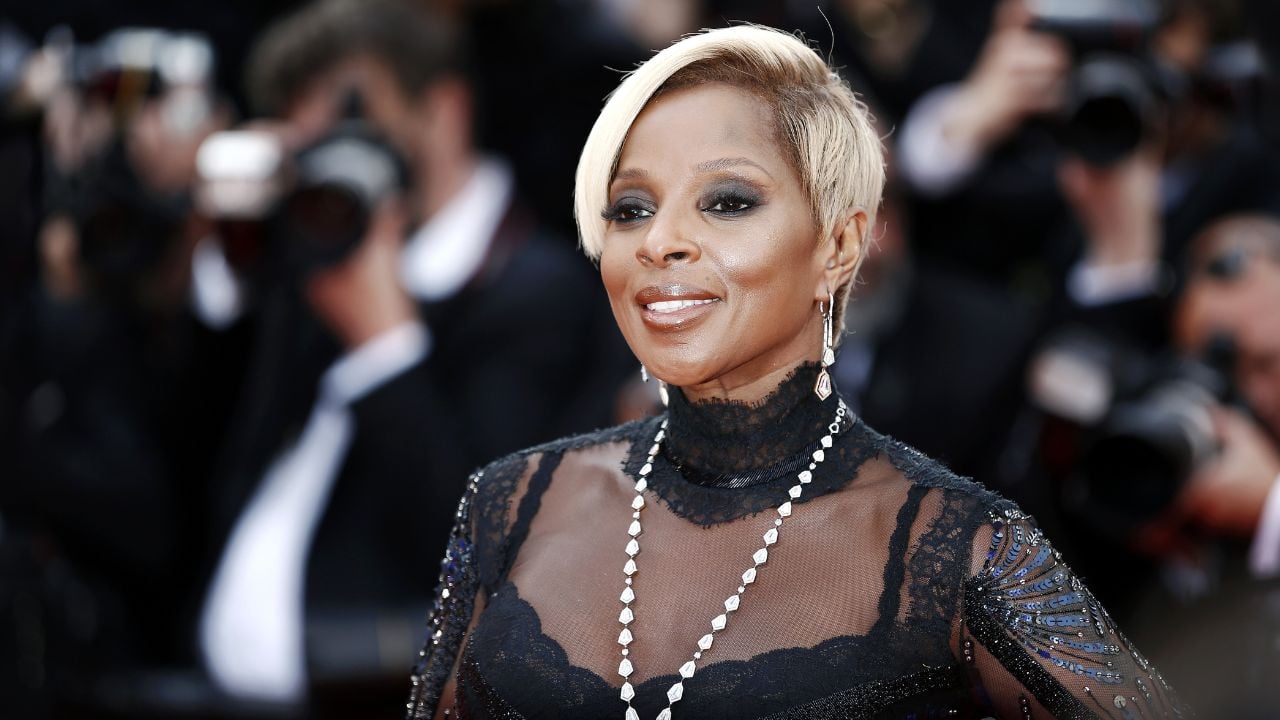
Mary J. Blige appeared to be giving one of music’s most controversial technologies her approval. The reality behind the advertisement was considerably messier.
AI music company Suno has pulled a campaign showing Blige in a recording studio reacting positively to an AI-generated R&B track after discovering that the person who arranged the deal was not actually authorized to represent her. The company also said Blige was uncomfortable with the campaign, according to The Hollywood Reporter.
The advertisement had already circulated widely enough to create the impression that the Queen of Hip-Hop Soul was endorsing Suno. In the footage, a producer demonstrates the technology while developing a track called “Pretty Flowers,” and Blige responds positively to parts of what she hears.
Blige, however, did not approve the finished advertising campaign. She has not publicly issued her own detailed account of what happened.
The Ad Made Blige Look Like She Was Co-Signing Suno
@accidentalviral And then came the reaction… 🎶 Hearing Mary J. Blige compliment what she heard, say she liked it, and offer congratulations is pretty powerful, especially coming from someone who has spent a lifetime creating music that makes people FEEL something. That’s what draws me to this technology. Suno is one of the tools I use in my creative process, but the stories, memories, emotions and intentions behind the songs are very real. I’ve seen what happens when someone hears THEIR story turned into music. Sometimes they laugh. Sometimes they cry. Sometimes they remember. Sometimes they heal. Sometimes they just hit replay. ❤️ Technology may help us create the sound. But people give it meaning. #EchoNomadLyric #AIMusic #MusicCreation #Storytelling #EchoTrax ♬ original sound – Accidental Viral ✅️
The video was easy to read as an endorsement. Blige sits in a studio while a producer demonstrates Suno using an R&B track titled “Pretty Flowers,” with the resulting music drawing comparisons to the late-’90s and early-2000s sound associated with her catalog.
At one point, Blige calls what she is hearing “pretty dope” as she processes the demonstration. Entertainment Weekly reported that the clip circulated widely enough for viewers to assume she had agreed to promote the generative-AI service.
That assumption produced backlash before the authorization issue became public. Some critics saw the apparent partnership as particularly surprising because the use of generative AI in music remains a contentious issue involving consent, compensation and whether technology can reproduce elements associated with established artists without their involvement.
Suno Says the Person Who Arranged the Deal Wasn’t Her Official Representative
Suno’s explanation came after the criticism had already spread. “We entered into a business deal with someone who presented themselves as Ms. Blige’s official representative,” a company representative told The Hollywood Reporter. According to Suno, the company subsequently learned that the person did not have the status it believed they had.
Suno said that “as soon as” it learned this and discovered that Blige was uncomfortable, it terminated the advertising campaign. Blige’s representatives declined to comment further. Public reporting has not identified the person who negotiated the deal.
The Backlash Arrived Before the Authorization Problem Was Public
View this post on Instagram
For several days, viewers largely had only the finished promotional footage to judge. It showed Blige listening to AI-generated music, discussing the technology and reacting favorably enough that critics interpreted the video as an endorsement.
Producer Jermaine Dupri was among those who reacted publicly. In an Instagram post prompted by the Blige commercial, he criticized what he viewed as the increasingly depersonalized way AI technology is being marketed as part of the music-making process and objected to what he described as the “trickery” surrounding that push.
The Mistake Landed in the Middle of a Much Bigger AI Music Fight
Suno is already involved in disputes over how generative AI companies can use copyrighted recordings and artists’ identities while building tools capable of producing music associated with recognizable performers.
On Aug. 31, Jason Isbell, David Lowery, Guy Forsyth and Eduardo Calle filed a proposed class-action lawsuit accusing Suno of misappropriating musicians’ names, images and likenesses to facilitate music generation associated with particular artists. Reuters reported that the case focuses on publicity and identity rights rather than simply repeating the copyright claims at the center of other AI-music litigation.
Suno disputes those allegations and says its platform is designed to enable original creation, with safeguards intended to prevent unauthorized uses of artist names and copyrighted works. Universal Music Group and Sony Music Entertainment, meanwhile, remain involved in separate copyright litigation against Suno.
Other parts of the music industry have moved toward negotiated agreements instead. Warner Music Group settled its litigation with Suno in November 2025 and entered a partnership covering licensed AI models, while BMG announced its own global alliance with Suno in August 2026 for artists and songwriters who choose to participate.