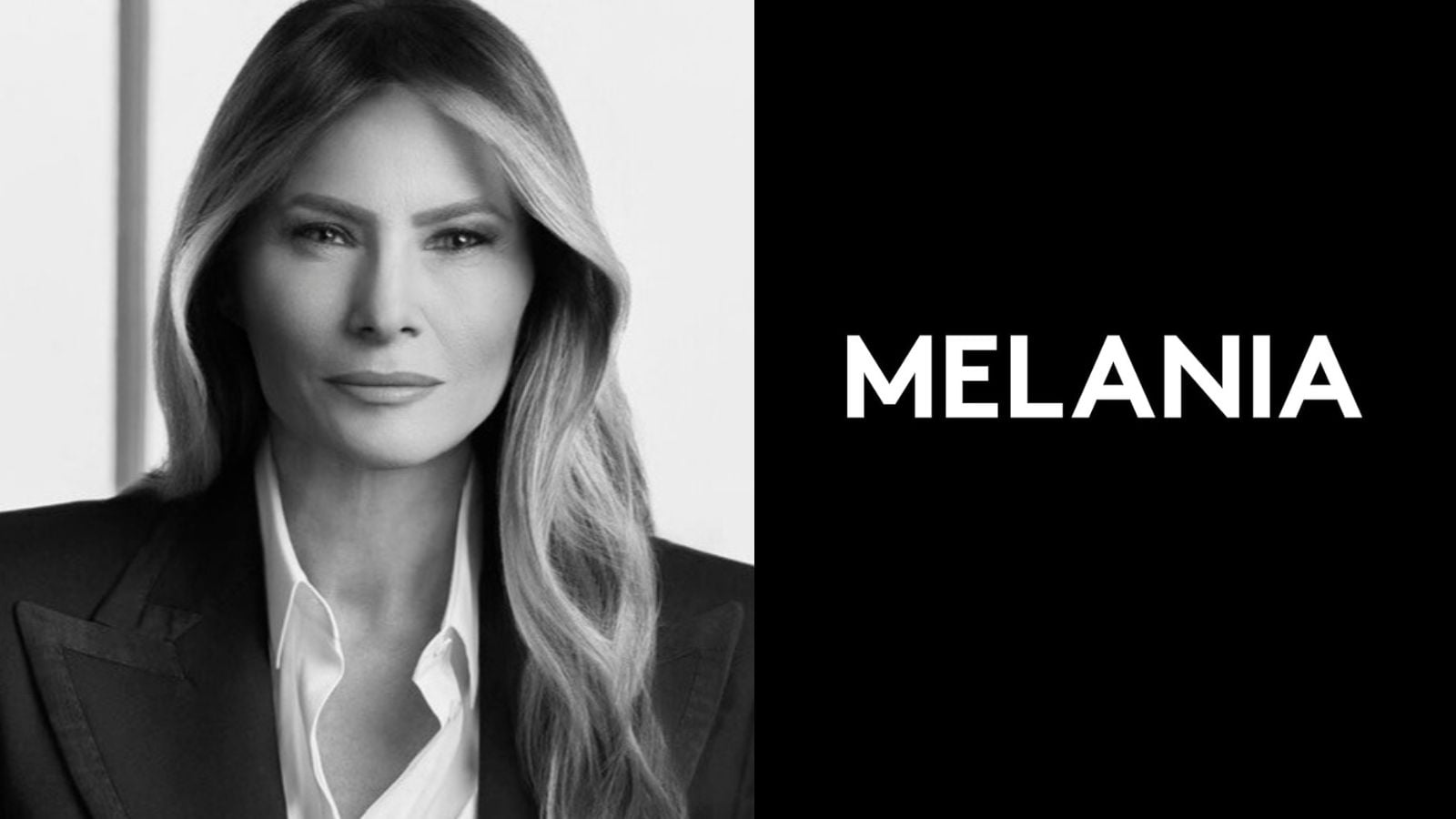
A planned theatrical release of Melania, the high-profile documentary centered on the former first lady, has abruptly collapsed in South Africa just days before its global rollout. The sudden withdrawal has fueled speculation about politics, timing, and the growing risks studios face when global distribution collides with geopolitical tension.
Only a week ago, industry insiders expected Amazon MGM Studios to unveil a long list of international territories where the film would debut alongside its North American release on January 30. That announcement never came. Instead, news broke out of Johannesburg that South African theaters would no longer be showing the film at all.
The decision was confirmed by Filmfinity, the company responsible for distributing the documentary in South Africa. In a brief statement, the distributor said it had chosen not to proceed with a theatrical release in the country, citing “recent developments” without spelling out specifics. The move was first reported by local outlet News24 and later confirmed to international media.
Filmfinity executives stressed that the decision was internal and not the result of pressure from government officials, activists, or foreign partners. Still, the timing raised eyebrows, especially given President Donald Trump’s escalating rhetoric toward South Africa during his second term.
Politics, Timing, and an Uncomfortable Backdrop
Since returning to office, Trump has repeatedly accused South Africa of targeting its white minority, at times using the word “genocide.” He has also threatened aggressive tariffs and other economic measures, comments that have drawn sharp criticism from South African leaders and international observers. Against that backdrop, a glossy documentary about the American first lady landing in local theaters suddenly became a political liability.
While no direct link has been officially confirmed, the overlap between the president’s public hostility and the distributor’s last-minute reversal has proven hard to ignore. For South African exhibitors, the film may have looked less like a neutral cultural product and more like an imported political statement.
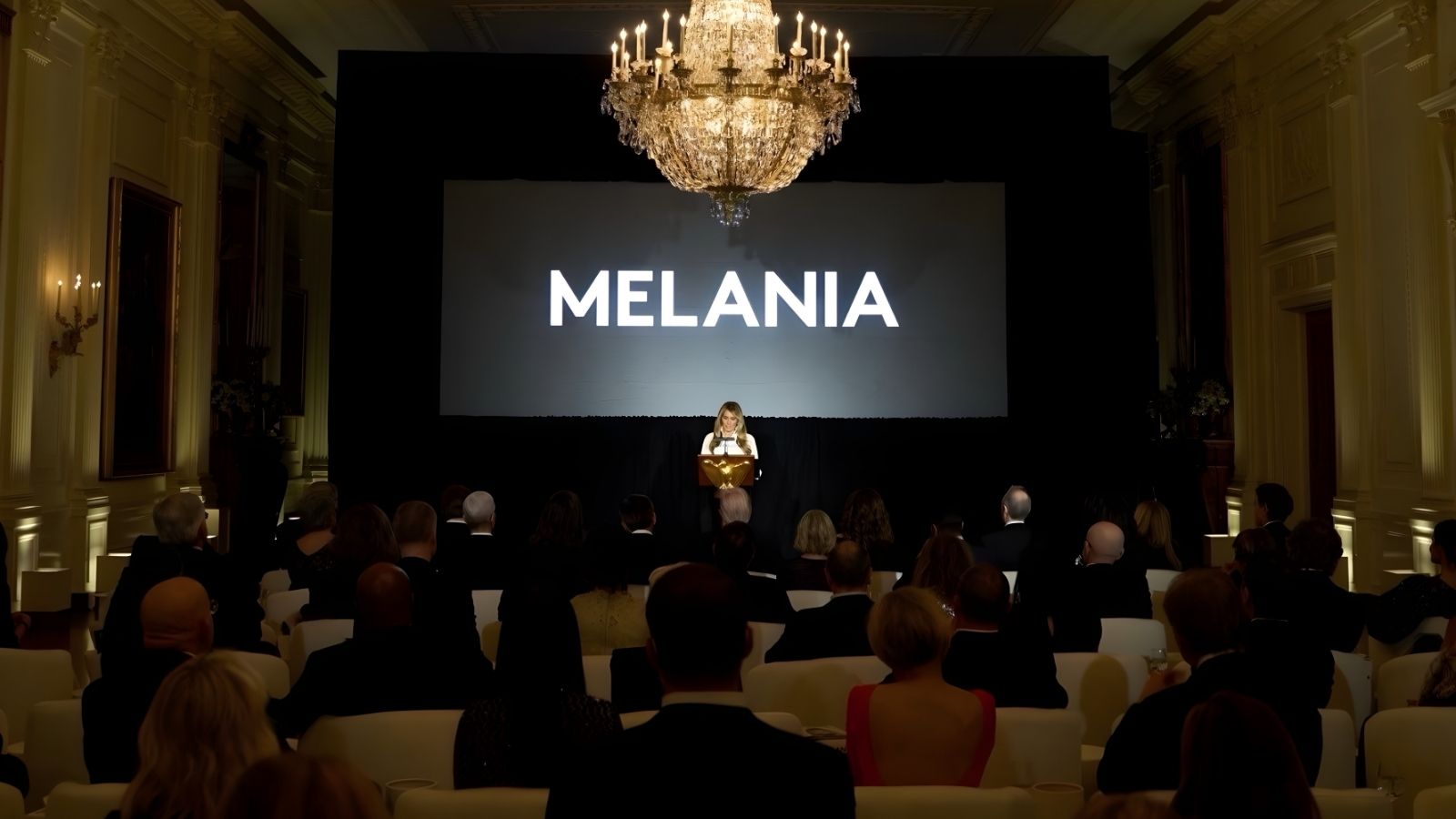
Amazon’s High-Stakes Bet on a Prestige Documentary
The irony is that Melania was designed to be anything but small. Amazon reportedly paid around $40 million for global rights to the documentary and an accompanying docuseries, a staggering figure for non-fiction content. The company also committed to a traditional theatrical release, an increasingly rare move for documentaries, before the project heads to Prime Video.
Industry sources say the real financial upside lies with streaming, where exclusive content helps retain subscribers. The theatrical run, while costly, was meant to position Melania as a prestige title rather than a niche political film dumped straight onto a platform.
Amazon MGM has also gone all-in on marketing. Estimates place the total global promotional spend at roughly $35 million, with about $15 million focused on North America and another $10 million allocated to overseas markets. That level of investment rivals the budgets of smaller narrative films and far exceeds the norm for documentaries.
Before the South Africa news broke, international campaigns had already rolled out in cities like London, Tokyo, and Mexico City. Sources also indicated planned releases across parts of the Middle East, underscoring Amazon’s ambition to turn Melania into a truly global event.
Inside the Film and the Controversies Surrounding It
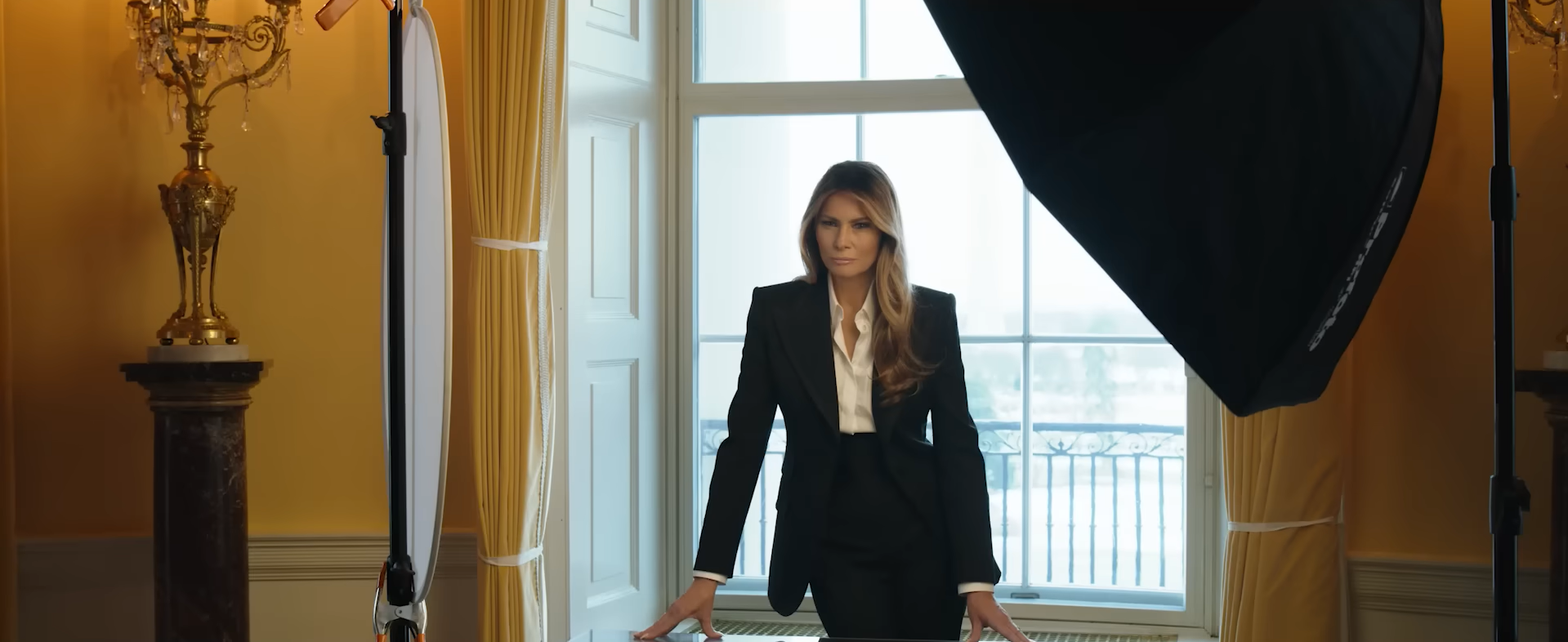
The film itself follows Melania Trump in the days leading up to the 2025 inauguration, offering behind-the-scenes access as she prepares to return to the White House. According to Amazon’s official description, viewers are promised private meetings, personal conversations, and moments rarely seen by the public, all framed as a portrait of a woman stepping back into one of the most scrutinized roles on the planet.
Adding another layer of controversy is the film’s director, Brett Ratner. Once a major Hollywood name behind hits like Rush Hour, Ratner has spent years largely sidelined after multiple women accused him of sexual misconduct in the late 2010s. He has denied the allegations, but his involvement has already drawn criticism and renewed debate about accountability and second chances in the industry.
Despite these complications, the Trumps have publicly embraced the project. President Trump has promoted the documentary on Truth Social and is expected to attend its premiere at the newly renamed Trump Kennedy Center in Washington. Still, much of the logistical and financial weight has been carried by Amazon and its partners, not the White House.
What the South Africa Pullout Signals for the Global Release
Amazon MGM’s international ambitions also factor into the story. The studio is still building its overseas distribution muscle and relies heavily on intermediaries like FilmNation to secure theater placements and coordinate marketing abroad. That reliance can make releases vulnerable to sudden shifts in local sentiment, as appears to be the case in South Africa.
The South African pullout may not derail the documentary’s broader strategy, but it does highlight how fragile global film plans can be when politics enter the frame. A project meant to humanize and reintroduce a public figure can quickly become entangled in diplomatic tensions far beyond the control of filmmakers.
For now, Amazon has declined to comment on the South African decision or clarify whether other territories might follow suit. The company appears focused on pushing ahead with its North American release and the larger international campaign already in motion.
The unanswered question is what this moment signals for the rest of the rollout. Will other distributors reassess their plans as political tensions rise, or will Melania continue largely unaffected outside South Africa? As studios chase global audiences, this episode may serve as a reminder that not every market views American political storytelling through the same lens.
What do you think?