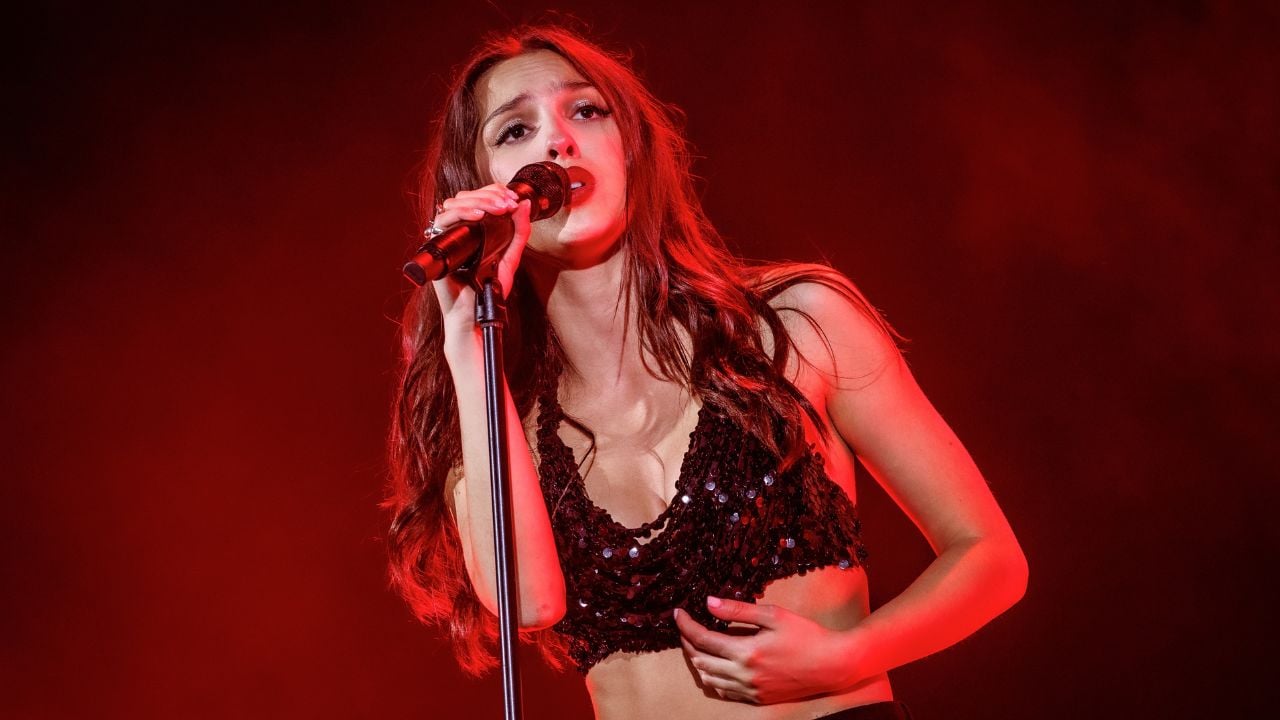
Olivia Rodrigo is making it clear that her anger over a Trump administration deportation video was not a quick social-media reaction.
The 23-year-old singer spoke about the incident in a new Dazed interview, months after her song “all-american bitch” was used in a video shared by the Department of Homeland Security and the White House. The clip promoted self-deportation and showed immigration-enforcement imagery while using the opening track from Rodrigo’s 2023 album GUTS.
Variety reported that Rodrigo said she was scrolling on her phone when she first saw the video. Her reaction, she said, went beyond frustration over the use of the song. She called the clip “so deeply disturbing” and said hearing her own music in it made her feel “even more enraged.”
Rodrigo Said She Saw the Video While Scrolling
Dazed asked Rodrigo what she was doing when she found out “all-american bitch” had been used in the government video.
Rodrigo said she was on her phone when she saw it. She described the video as propaganda and called the administration’s actions “awful and barbaric and cruel.”
The answer gave more weight to the comment she made when the video first spread in November. At the time, Rodrigo did not treat the use of her song as a neutral licensing issue or a harmless repost. She objected to the message itself and made clear that her music should not be attached to it.
She Had Already Told Them Not to Use Her Music
@dailymail Olivia Rodrigo lashed out at the Trump administration for using her song All-American B**** in an Instagram video urging illegal immigrants to self-deport. ‘LEAVE NOW and self-deport using the CBP Home app. If you don’t, you will face the consequences,’ read the caption of the video, which was posted by the White House and the Department of Homeland Security. However Olivia, 22, then leapt into the comments section and fumed: ‘don’t ever use my songs to promote your racist, hateful propaganda.’ #oliviarodrigo #trump #ICE #thewhitehouse ♬ original sound – Daily Mail
The clip had already drawn coverage in November, when Rodrigo responded directly after the song appeared in the post. Entertainment Weekly reported that the video was jointly shared by DHS and the White House on Nov. 4 and urged undocumented immigrants to self-deport using the CBP Home app.
The Guardian reported that the video showed ICE agents detaining people before shifting to images of immigrants apparently choosing to leave voluntarily. Rodrigo replied in the comments, “Don’t ever use my songs to promote your racist, hateful propaganda.”
The Guardian also reported that Instagram later removed the soundtrack from the clip, leaving the song marked as unavailable. DHS defended federal law enforcement in a statement to the outlet, but Rodrigo’s position was already clear: the use of “all-american bitch” did not signal her approval.
The Song Choice Made the Clash Sharper
The choice of “all-american bitch” gave the controversy an extra charge because the song is already built around anger, satire, and the impossible expectations placed on women. It is not a patriotic anthem or a straightforward celebration of American identity.
In the DHS and White House video, that context was stripped away. A track from Rodrigo’s own critique of American femininity was placed under a government message about deportation. Her Dazed comments show that she saw the use of the song as part of the message, not as a separate accident around the edges.
Rodrigo has also spoken publicly about immigration enforcement before. In June, she criticized deportations in Los Angeles and wrote that the city “simply wouldn’t exist without immigrants.” Her latest comments connect that earlier statement to a more personal moment: seeing her own music used in a video tied to policies she has already condemned.
Rodrigo Said Speaking Out Comes With Being an Artist
Dazed also asked Rodrigo whether it is important for her to speak publicly about causes she believes in, including reproductive rights, Black Lives Matter, and Gaza.
Rodrigo said she does not see herself as a political expert, but she does try to stay informed and share how she feels. She described that as part of being an artist.
That answer helps explain why the new interview did not soften her original response. Rodrigo did not frame the DHS video as a misunderstanding, a small music-use dispute, or something she had moved past. She said the clip disturbed her, said the use of her song made her angrier, and repeated that what she saw was cruel.
For Rodrigo, the issue was not only that a government account used a famous song. It was that her voice was placed inside a message she rejects.