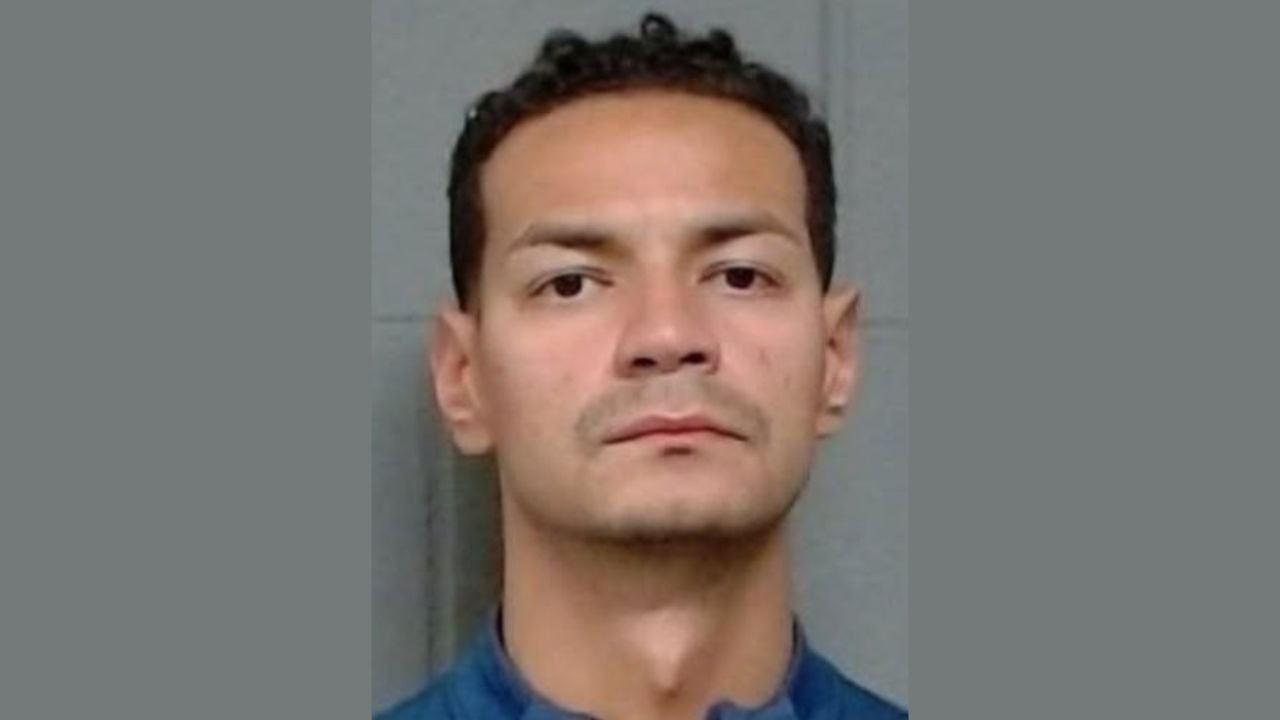
A Chicago man who posted fragrance videos online is accused of turning luxury perfume returns into a refund scheme involving modeling clay, resealed boxes, and hundreds of bottles found in his apartment.
Phillip Carter, 30, was charged after Cook County sheriff’s investigators said Nordstrom flagged returned fragrance boxes that looked unopened but no longer contained the original products, according to CBS News Chicago.
Investigators said Carter ordered thousands of dollars in high-end fragrances online, removed the bottles, replaced them with modeling clay or used containers, resealed the packages, and sent them back for refunds.
A search of his Northwest Side apartment uncovered 714 fragrances valued at about $250,000, along with resealed boxes, packages containing modeling clay, glue, a heat gun, and other packaging materials. The charges are accusations and have not been proven in court.
Nordstrom Found Modeling Clay Inside Returned Perfume Boxes
The investigation began in March after Nordstrom contacted the Cook County Sheriff’s Police Organized Retail Crime Unit about luxury fragrances that had been shipped back as returns. The retailer told investigators the original products had been removed from the boxes and replaced with modeling clay, while the packaging had been carefully resealed to look unopened.
The sheriff’s office called the investigation “Operation Eau de Fraud.” Investigators reviewed financial, internet, shipping, and other records before identifying Carter as the suspect, CBS News Chicago reported.
Investigators Say Refunds Followed the Swaps
Carter would order thousands of dollars in luxury fragrances at a time, then contact retailers to start returns after the shipments arrived, according to the sheriff’s office account summarized by CBS News Chicago.
Police said the original bottles were removed and replaced with modeling clay or used bottles before the boxes were resealed and mailed back. The retailers then issued refunds for packages that investigators said no longer contained the new fragrances.
The Search Found 714 Fragrances
Sheriff’s investigators executed a search warrant Wednesday at Carter’s apartment in the 5200 block of West Hutchinson Street. They reported finding 714 fragrance units with an estimated retail value of about $250,000.
Authorities also said they found boxes that had been resealed and were ready to ship, packages already containing modeling clay instead of product, additional modeling clay, glue, a heat gun, and packaging materials.
His Online Videos Showed a Large Cologne Collection
During the investigation, detectives said they found that Carter operated a YouTube channel devoted to fragrances. CBS News Chicago reported that videos on the channel showed him displaying a collection of cologne bottles.
The Cook County State’s Attorney’s Office approved three felony counts of mail fraud. Carter also faces three misdemeanor counts of theft by deception and was released while the case proceeds.
Return Fraud Can Hit Retailers and Honest Shoppers
Luxury fragrance is a tempting target for return fraud because bottles can be expensive, small, easy to ship, and difficult to inspect without opening the packaging. When retailers receive carefully resealed boxes, the loss may not be obvious until an employee checks the weight, packaging, bottle condition, or product inside.
For shoppers, return fraud can show up later as stricter return policies, more denied refunds, extra ID checks, slower processing, or more disputes over whether the right item was actually sent back. Customers returning expensive items should keep order confirmations, tracking numbers, drop-off receipts, photos of the item and packaging, and any messages from the retailer until the refund is complete.
Anyone buying luxury fragrances through resale marketplaces should also be careful with unusually cheap listings, sellers who cannot show proof of purchase, mismatched packaging, broken seals, altered batch codes, or bottles that do not match the box. Receipts, photos, seller messages, platform order records, and payment confirmations can matter if the item later turns out to be stolen, counterfeit, used, or tied to a disputed return.