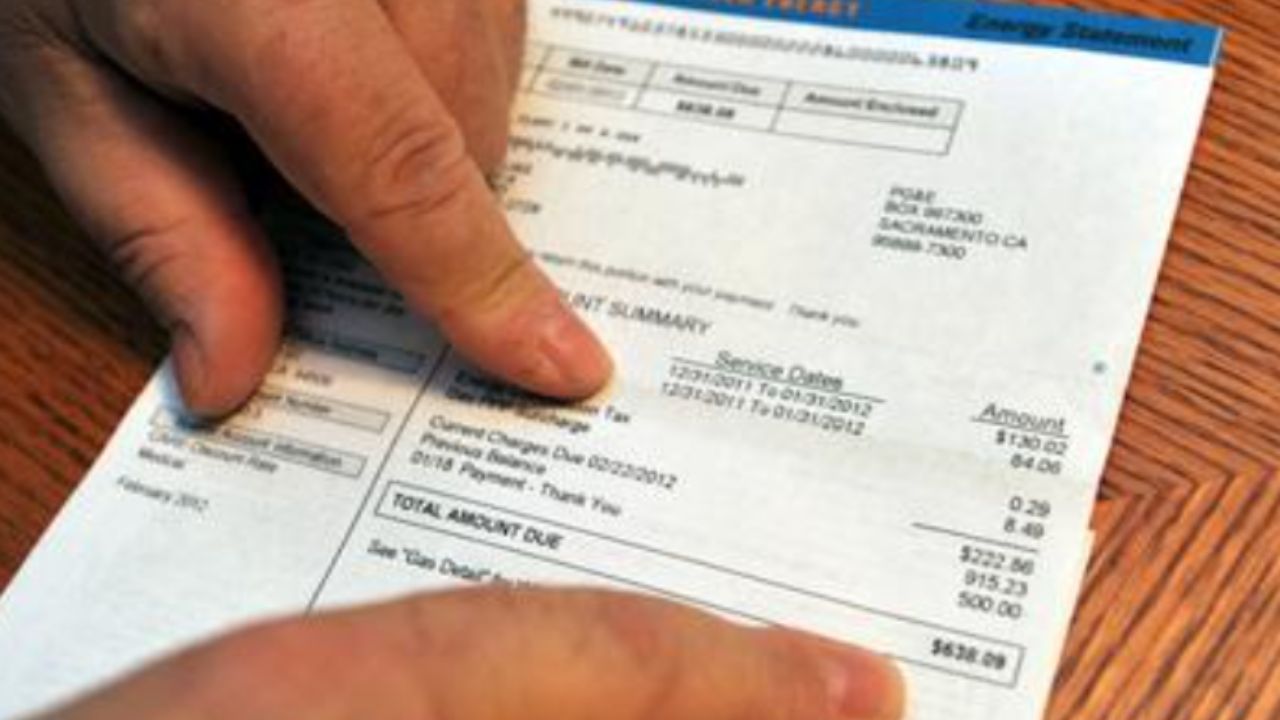
PG&E customers have lost more than $211,000 to utility scams so far this year, with a new barcode and QR code payment scheme helping drive the losses.
The utility said losses reported by mid-2026 are on pace to exceed last year’s total, according to SiliconValley.com and a public warning from PG&E.
In 2025, PG&E received nearly 24,000 reports from customers who were targeted by scammers impersonating the utility. Customers reported more than $301,000 in fraudulent payments that year, with an average loss of $590.
By mid-year 2026, reported losses had already passed $211,000, and the average reported loss had climbed to $969.
The Scam Turns a Store Register Into a Fake Utility Payment
The scam involves sending a victim a barcode or QR code they can take to a store to make a payment. https://t.co/q4nfeBO6uW
— Mercury News (@mercnews) July 6, 2026
PG&E said the barcode scam usually starts with a phone call. The impostor tells the customer their bill is overdue and that power or gas service will be shut off unless they make an urgent payment.
The scammer then sends a barcode or QR code to the customer’s phone or email. The customer is told to bring that code to a retail location and show it to a cashier so the payment can be completed.
The payment does not go to PG&E. Once the customer pays through the code, the money is routed to the scammer, leaving the customer still responsible for any real utility balance and often unable to recover the fraudulent payment.
Bay Area Customers Are Seeing Heavy Scam Activity
PG&E said the average reported loss this year has climbed to about $969 per victim, compared with an average of $590 in 2025.
Bay Area counties have generated some of the highest scam-report totals in PG&E’s service area. Local News Matters reported Alameda County had 399 reports, followed by Santa Clara County with 372, Contra Costa County with 278, and San Francisco with 176.
The utility said small and medium-sized businesses are also being targeted. A shutoff threat can be especially effective against businesses because a loss of service can interrupt sales, refrigeration, equipment, or daily operations.
PG&E Says It Does Not Demand Barcode Payments
PG&E said it does not demand payment through barcodes, QR codes, prepaid debit cards, gift cards, cryptocurrency, Zelle, Venmo, or other money-transfer apps.
The utility also said it will not ask customers for financial information over the phone and will not ask to see a customer’s bill at the door.
Customers with real disconnection risk receive advance written notice.
Customers Should Check the Account Before Paying a Shutoff Threat
Anyone who receives a shutoff threat can hang up and check the account through PG&E’s official website or by calling the customer service number listed on a real bill. The code, callback number, or payment instructions sent by the caller should not be used.
PG&E says suspected scam calls can be reported through its telephone scam report form. Scam emails can be forwarded to ScamReporting@pge.com, and in-person scam attempts can be reported by calling1-833-500-7226.
Customers who already paid through a barcode, QR code, prepaid card, payment app, or other method should contact their bank, card issuer, payment provider, or store receipt issuer immediately and ask whether the transaction can be stopped, disputed, or traced.
Utility scams can also be reported to local law enforcement and to the Federal Trade Commission at ReportFraud.ftc.gov.