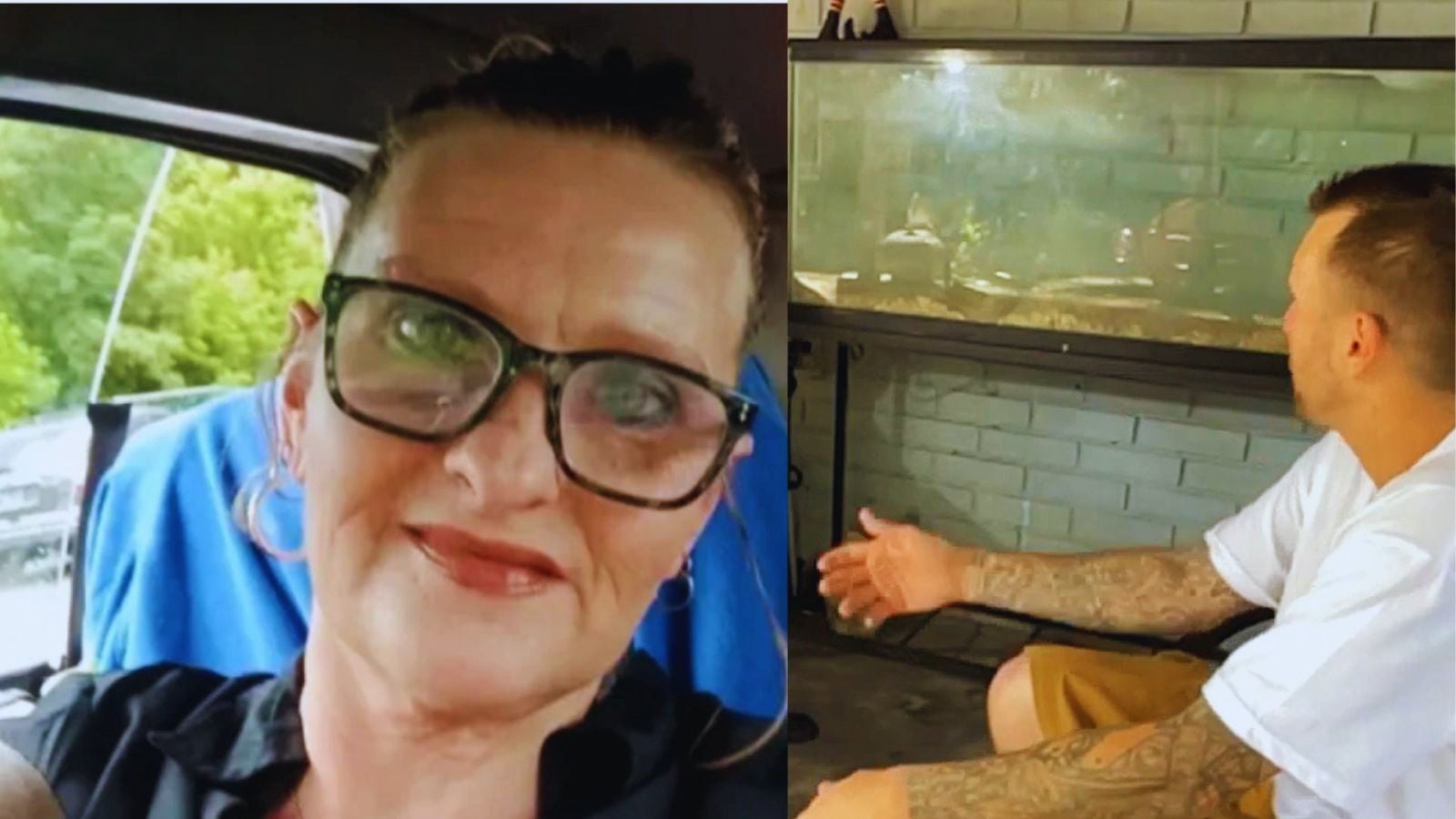
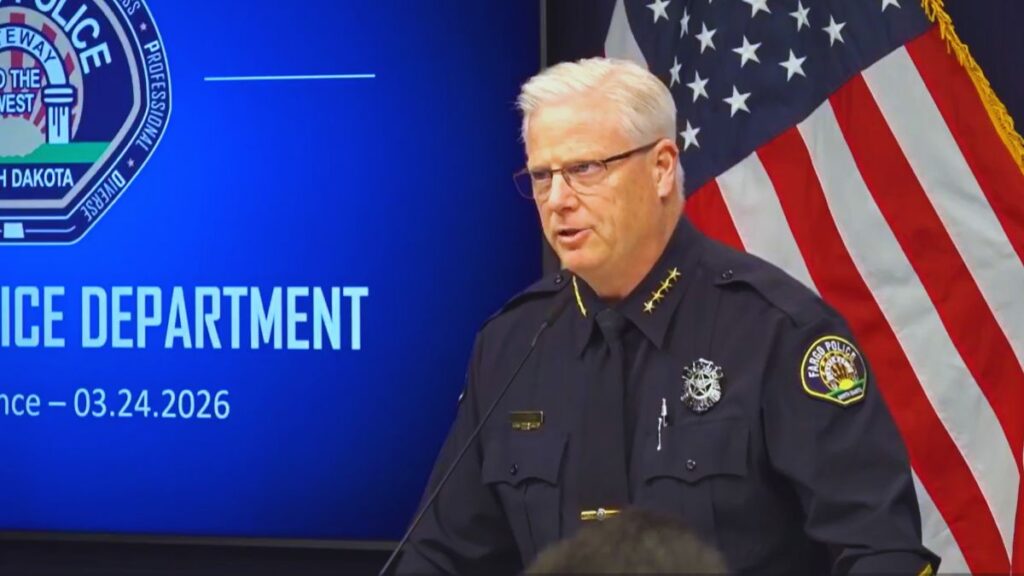
Police used facial recognition to jail a Tennessee grandmother over a North Dakota bank fraud case, even though she says she had never even been to the state. Her name is Angela Lipps, and her case is back in focus after Fargo’s police chief admitted critical errors and said detectives wrongly relied on an unauthorized AI system.
But the detail that really makes this whole thing harder to shrug off is sitting in a local Florida report that most people probably never saw.
The man in the police video had no tattoos on his legs. Beau Burgess did. Several. WESH 2 Investigates later obtained body camera footage showing the man police were looking at was clearly not Burgess, plus timecard records showing Burgess was at work on key dates tied to the case. Prosecutors declined to move forward. Then WESH found something even uglier. Orlando police leadership had initially denied that facial recognition was used, but the department’s own internal investigation later found that an officer had run a still image through Florida’s FACES database.
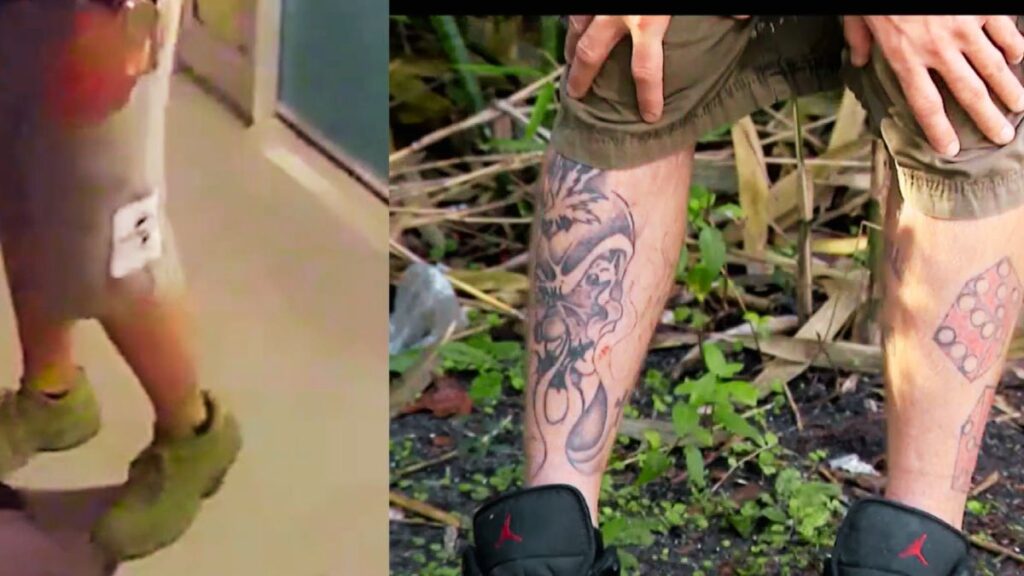
That is the part people are reacting to. The dumb and obvious part. The suspect had bare legs. Burgess did not. Lipps says she was in the wrong state. Police moved anyway.
The Part Nobody Wants To Admit
By early 2025, The Washington Post had documented at least eight wrongful arrests in the United States tied to facial recognition. The paper’s bigger point was even worse than the number. In case after case, police could have knocked out the bad match through basic checks, such as comparing tattoos, checking alibis, or reviewing other evidence already in the file. Instead, officers in many departments treated software suggestions as real evidence, even when their own policies said otherwise.
That is why Lipps feels like the latest episode in a pattern that keeps getting exposed one humiliating detail at a time.
Porcha Woodruff was eight months pregnant when Detroit police arrested her in a carjacking case after using facial recognition. Police later admitted they had the wrong person, and the charges were dropped. Michael Oliver, also in Detroit, finally saw the image behind his case at a pretrial hearing and said the suspect looked nothing like him. The suspect had no tattoos. Oliver did. The judge agreed and dismissed the case. Randal Quran Reid spent days in jail after Louisiana authorities tied him to crimes in a state he said he had never visited. The Washington Post later reported that investigators never even sought proof that he was at work in Georgia when the crime happened.
None of those details requires a graduate seminar on AI ethics. Pregnant woman accused of carjacking. Grandmother jailed over a crime in a state she says she never entered. Man arrested even though the suspect’s legs were clean and his were covered in ink. People do not need a white paper to know something is off. They can see it in five seconds.
This Stopped Being a Tech Story and Became a Laziness Story
That is also why the “the software is not perfect” defense no longer feels big enough. Of course, the software is not perfect. Nobody sane thinks it is. The problem is what happens next. The Washington Post found that among 23 departments with detailed records, 15 had made arrests based on AI matches without independent evidence linking the suspect to the crime. Police were not just getting bad leads. They were skipping the part where they are supposed to test the lead before ruining someone’s life.
And once you look at Burgess, the whole thing becomes almost impossible to defend with a straight face. WESH reported that Burgess believed police should have contacted him before the arrest because he could have shown them his tattoos and his timecards. Instead, as he put it, the minute they got that facial-recognition result, they decided that was him. That is a shortcut dressed up as technology, not cutting-edge policing.
Why This Keeps Blowing Up
Stories like Lipps’s keep detonating because they hit a nerve people already have about AI. Not the abstract fear that machines are getting too powerful. The much simpler fear that institutions will use them as an excuse to get sloppier, colder, and more reckless. The Lipps story is back in the mix because the story sounds like a nightmare that should have been stopped by one competent adult doing one basic check.
That is the real reason the Burgess detail matters. The tattoo mismatch strips away every fancy excuse. It leaves one ugly question sitting in the middle of the room. If police can ignore tattoos, alibis, and plain old common sense because a computer said “close enough,” should facial recognition be anywhere near an arrest at all, or is this the point where people finally stop pretending the problem is just a few isolated mistakes?